Music & Songs Archives - Page 29 of 30 - The Birthplace of Country Music
Listen
Play
Loading station info...

Detour from Bristol Rhythm to Wise: Riding the Road to RTE 23

By Dave Stallard, August 23, 2017

The idea for what would eventually become the RTE 23 Music Festival dates back to a drive home from work in the fall of 2008. As I was headed up the mountain to my home in Wise, Virginia, I was ruminating on a simple thought: how could we bring the cool music of Bristol Rhythm & Roots Reunion to Wise? Though I lived in the heart of Southwest Virginia, Wise residents who loved live music generally traveled to Bristol, Johnson City, or Kingsport – more than an hour’s drive from home. For some, the drive and the distance to hear live music were problematic.

At that time, I was the current chair of the music committee for Bristol Rhythm. I took the idea to festival director Leah Ross (now Executive Director of BCM) about the possibility of doing some outreach in Wise. She agreed that it was a great idea.

Quick phone calls to a couple friends started the ball rolling, and in February of 2009 we began our first concert series on the campus of The University of Virginia’s College at Wise. Over the next five years, we hosted shows and festivals on both the UVa-Wise campus and in downtown Wise, bringing in bands like St. Paul & The Broken Bones, Folk Soul Revival, The New Familiars, Holy Ghost Tent Revival, Last Train Home, Erick Baker, Dave Eggar, and more.

The evolution of our concert series to what would become RTE 23 began in the fall of 2013. Chatting with the folks who were involved with staging these concerts, we began to feel like we wanted to put all of our eggs in one basket, to create something bigger. In other words, instead of several smaller shows, we wanted one big one. And so that original thoughtful drive in 2008 culminated in the first RTE 23 Music Festival in 2013, which saw us partnering again with our good friends at UVa-Wise.
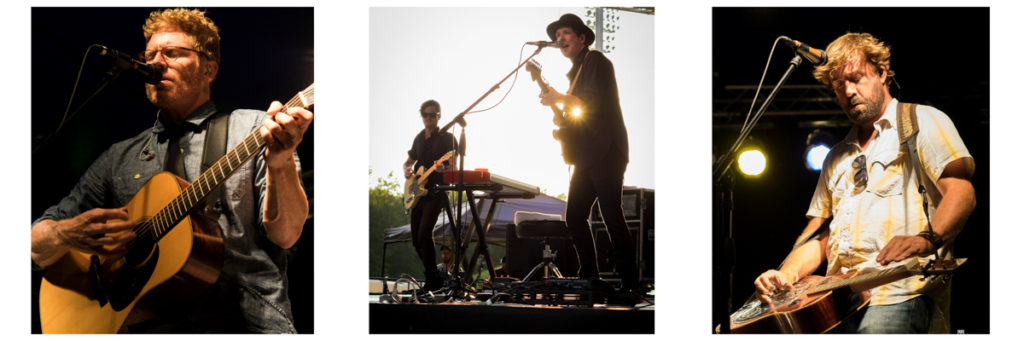
Love Canon and Elliot Root delighted the crowd at last year’s festival. © Jason Wamsley

The 2013 festival was quite an endeavor, bigger than our previous events and more complicated. We put together a fantastic lineup for this first RTE 23, one which included The David Mayfield Parade, Sol Driven Train, Jarekus Singleton, and Derek Hoke. Early in the planning, we knew that we wanted to tap into the spirit of our work in Bristol and feature an eclectic, rootsy lineup – and that diversity was on show with our first performers for sure.

We have continued down that route in the crafting of the lineup for more recent festivals, including The London Souls, Love Canon, Desert Noises, Annabelle’s Curse, This Mountain, and many more wonderful artists. Our goal continues to be to offer an experience that is varied and diverse, and we carry that out each summer with festival bills that feature bands from across the Americana soundscape.

This year’s festival on August 26 – our fourth – promises to be the best yet. We have streamlined the lineup, going from four acts to three, and have assembled what we believe to be the best collection of bands offered by a festival in Wise County this year. Budding southern rock guitar titan Marcus King and his band will headline the festivities. Rounding out the bill are vintage soul rockers The Broadcast, out of Asheville, and Demon Waffle, an energetic ska band from Johnson City.
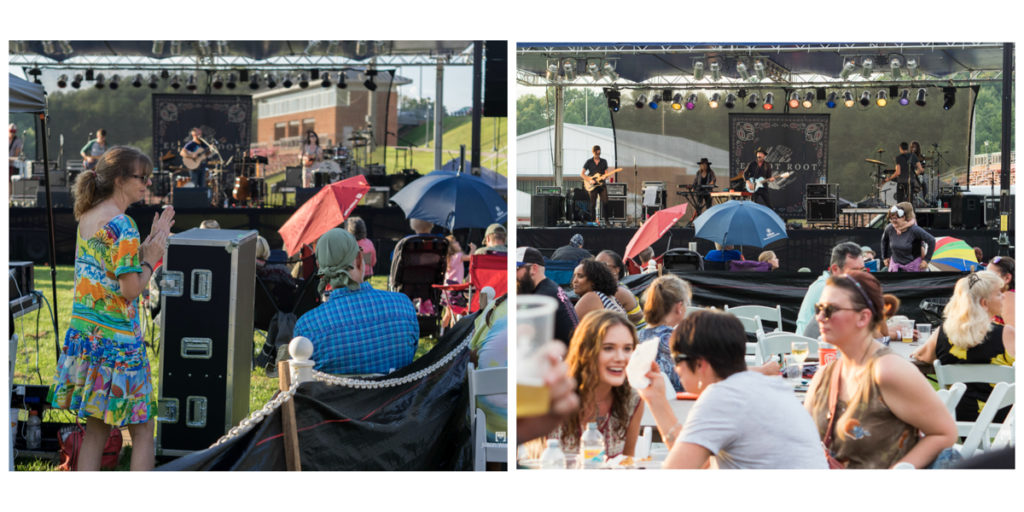
Festival fans enjoying local libations and great music. © Jason Wamsley

In recent years, we’ve added wine, beer, and first-class food options from local and regional businesses that showcase the very best our region has to offer. There are so many talented producers in this area, and music is always more enjoyable when paired with the good things in life!

It is also important to mention that all of the events we have ever produced in Wise have been absolutely free to our patrons. How have we managed to do that? Simple. We have been blessed with incredible financial support from an array of sponsors in the area. We have presented our vision of what we want to do with RTE 23, and our community has responded with tremendous support. Without these great folks, we could not do what we do.

The team behind RTE 23 is incredibly proud of what this festival has become. It is a labor of love that requires hours of scheming, planning, and work. Hopefully you will come to Wise and join us for a great evening of music!

Fans of all ages love RTE 23! © Jason Wamsley

Guest blogger Dave Stallard is a member of the Bristol Rhythm & Roots Reunion Music Committee and one of the organizers of the RTE 23 Music Festival in Wise, Virginia.
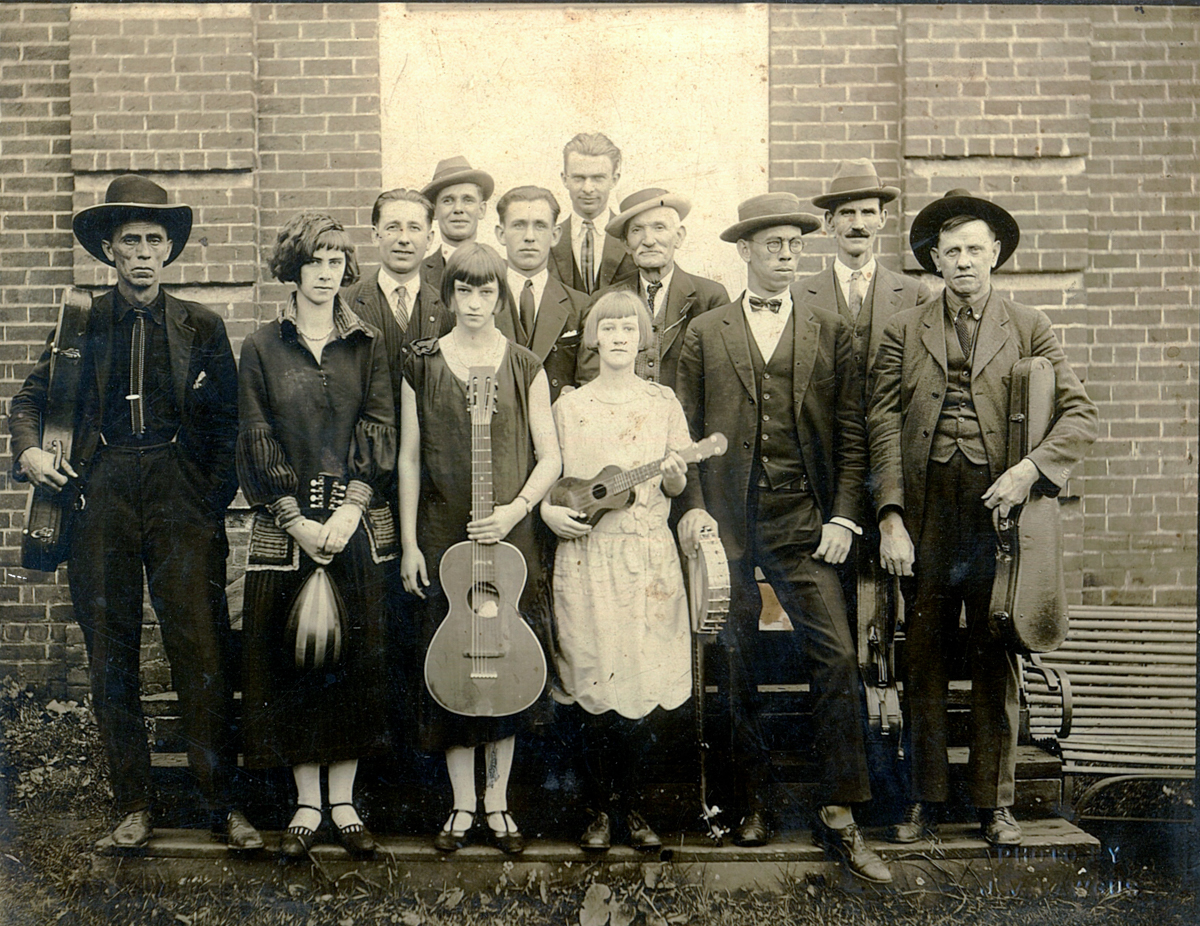
Fiddlin’ Cowan Powers and His Family String Band: Pioneers in Early Country Music

Back in the early 1920s, there was a quest for “hillbilly music.” A&R men – A&R stood for artists & repertoire – were heading out of their studios in New York and other big cities to find recording talent that played the traditional music they knew would sell.

And there were plenty of musicians who were ready to play their tunes into the acoustic horn (and later the electric microphone) and lend their music and voices to a cylinder or 78 recording that carried that tune to others. One of those artists was Fiddlin’ Cowan Powers, who led The Powers Family, hailed as the first family string band to be commercially recorded.

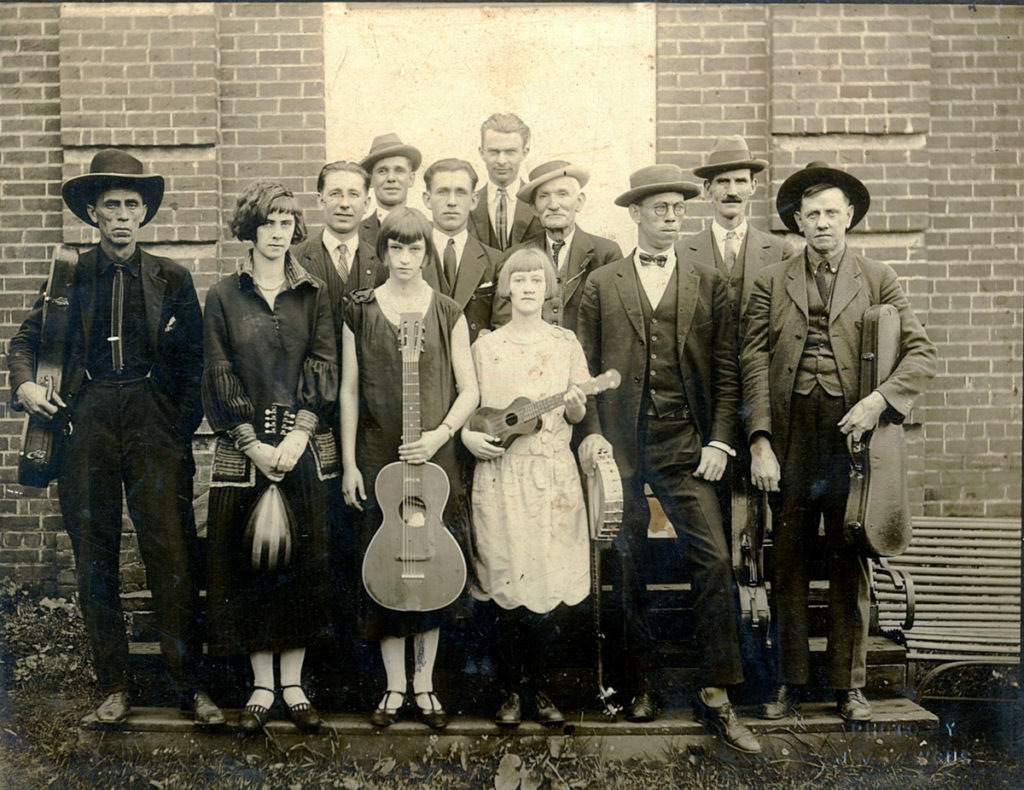
The Powers Family are on the front row of this group of musicians with, from left to right, Cowan Powers, daughters Orpha, Carrie, and Ada, and son Charlie. Photograph courtesy of James Powers, Patty Powers, and Stephanie Collins

Fiddlin’ Cowan Powers was born James Cowan Powers in October 1877 in Russell County, Virginia (as with many old-time musicians, birth dates vary depending on the source; I’ve also seen 1879). He married Matilda Lambert, and they had four children together. Powers was a musician, and he also worked the land and as a carpenter and leather worker – making leggings and underarm holsters, amongst other things.

With a father who played fiddle and a mother who played banjo, it was inevitable that the children would also play a host of instruments: Charlie on banjo, Orpha on mandolin, Carrie on guitar, and Ada on ukulele. After Matilda died in 1916, Powers looked to music as a profession and took his children on the road with him as members of the family string band.

The Powers Family first made their mark in a Johnson City, Tennessee, music competition in the early 1920s. They were soon traveling around southwest Virginia, northeast Tennessee, and neighboring states, performing at a variety of stage shows and dances, and also playing in fiddle and music competitions. James Powers, youngest son of Fiddlin’ Cowan Powers, tells us that he found around 25 $10 gold coins in his father’s belongings after he passed, all winnings from fiddle contests. The band also played on local radio stations, including WOPI in Bristol, Tennessee-Virginia.

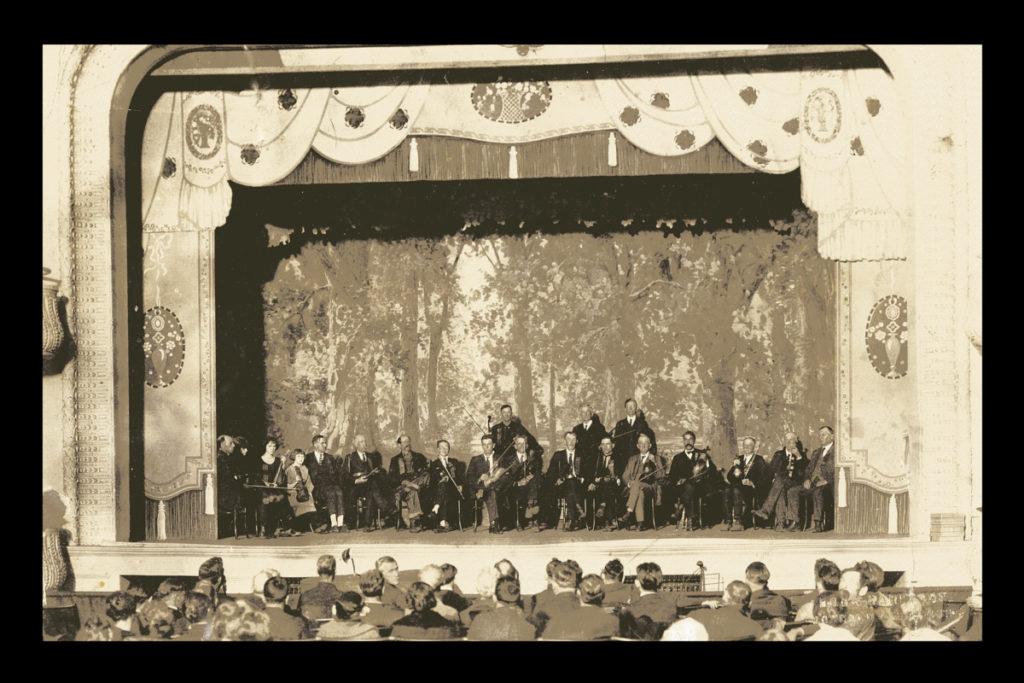
The Powers Family got their “big break” at a music competition in Johnson City, Tennessee, in the early 1920s. They are seen here to the far left of the stage. Photograph courtesy of James Powers, Patty Powers, and Stephanie Collins

After the Johnson City competition, a Victor Talking Machine Company representative singled The Powers Family out, asking them to do a test field recording. Their stint behind the mic impressed, and in August 1924, they rode the train up to the Victor studio in Camden, New Jersey, and made their first commercial recordings. In all, The Powers Family recorded 17 songs over two days there, including “The Little Old Cabin in the Lane,” “Sour Wood Mountains,” “Sallie Goodin,” and “Cripple Creek.”

In 1925, The Powers Family recorded for the Edison label in New York City – performing several of the same songs recorded with Victor – and then in September 1928, they recorded six sides for the OKeh company. One of the recordings for OKeh was “Old Virginia Reel,” which was unusual in its length – around six minutes – and thus divided into two parts, one on each side of the 78 record. This piece also features each member of the family performing solo, highlighting the band’s individual talents and personalities. Part 1 of “Old Virginia Reel” starts off with a “master of ceremonies” saying:

“Folks, we’re goin’ to have a real old-time square dance. And while the crowd is gathering and everybody getting their partners, we will have a little rehearsal by Fiddlin’ Powers and Family. First, Miss Orpha with the mandolin…”

Orpha was followed by her brother and then her sisters, each playing their own instruments. Fiddlin’ Cowan Powers – with the anonymous emcee calling him a “fiddlin’ ace” – came next with his version of “Buck Creek Girl,” and then Part 1 ended with a harmonica player. Part 2 brought the whole string band together to play a selection of dance tunes. One can imagine that this recording – the last of The Powers Family’s career – was a pretty good rendition of what a live Powers Family show would have been like.

Photographs of Fiddlin’ Cowan and his children show a very serious-looking bunch – they stare out at the camera with dark eyes and rarely a smile. But from the stories told to us by the family and accounts from those who remember their performances, we know that a Powers Family show was filled with jokes and laughter, a variety of magic tricks performed by Fiddlin’ Cowan Powers, and clog and buck dancing by little Ada. And also sometimes a bit of drama: another family story tells us that Powers shot a man in the leg at one of their shows after the man got fresh with one of his daughters. The man wasn’t killed, but he surely learned a lesson, and Powers had to pay a fine of around $1,000 dollars for his paternally protective action.

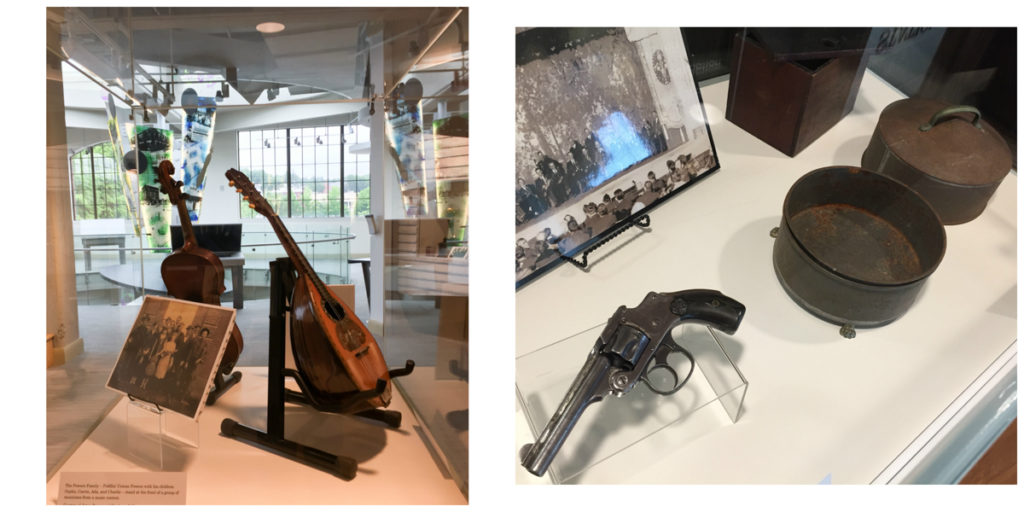
Powers Family artifacts and photographs are currently on temporary display in the museum, including Cowan Powers’s fiddle and some of his magic tricks, Orpha’s mandolin, and the gun shot by Powers at a fresh young man at one of the Powers Family’s performances. Objects on loan from James Powers and Stephanie Collins; photograph © Birthplace of Country Music

The Powers Family stopped performing together in the 1930s when the children began to marry. Cowan Powers continued to play his fiddle with other groups, including the Stanley Brothers, until his death in 1953; the story goes that he died of a heart attack while playing “Cluck Old Hen” on stage at a Stanley Brothers show. Son Charlie had enlisted in the United States Air Corps in the late 1920s, and he passed away in 1942 in a Japanese prisoner-of-war camp. Daughters Orpha, Carrie, and Ada (now playing the autoharp rather than the ukulele) came back together, along with Orpha’s husband Eugene Ireson, as a band, in the 1970s. They performed on local radio and television, and at a number of festivals in the region. Later, after Orpha’s health affected her ability to travel and perform, Carrie and Ada continued together as a duo.

The story of the Powers Family and their music underlines their place as pioneering figures in the history of early commercial country music. They made their mark as the first family string band to record commercially when they took that train up to New York City to record for Victor. And their performance of “Old Virginia Reel” – with Part 1 showcasing each musician on their respective instrument and Part 2 featuring their performance of popular string band tunes – underlined the level of talent in each member of the family and the harmony and energy of the music when they came together.

Most importantly, the memory of The Powers Family and their place in music history is being carried on by their descendants, and luckily for us, shared with the museum and our visitors through objects, stories, and photographs.

René Rodgers is Curator of Exhibits & Publications at the Birthplace of Country Music Museum.

But I Don’t Like Country Music: Confessions of a Music Dork

Over the course of my work at the Birthplace of Country Music, and in particular with Bristol Rhythm & Roots Reunion, I have heard variations of the same sentiment over and over from people who haven’t been to the festival (yet!): “But I don’t like country (and/or bluegrass) music.”

Well, me neither.

Rockin’ my Unknown Hinson tee pre-show, 2015. Photo courtesy of Charlene Baker

At least, I didn’t think I did.

Now before y’all come at me with virtual pitchforks, I have a confession to make: Country and bluegrass music was an acquired taste for me. Basically, it’s not my go-to music choice – other than some old outlaw stuff, Dolly, and a few others, it’s not something I listen to all the time. However, I have gained a huge appreciation for it that I probably didn’t have when I was younger—thanks to Bristol Rhythm & Roots Reunion.

So when you say you don’t like country music, I feel you. I really, really feel you.

I’m glad I’m getting this off my chest. I think, because of my job here at the Birthplace of Country Music (BCM), there may be an impression that I’m only into certain types of music, and that I focus on moody, cerebral singer/songwriters, obscure festival bands, or socially relevant and “important” musicians. Sure, I like some of that, but I’m not some Barry Judd character sitting around the indie record store salivating over a rare Ginbae vinyl import, regurgitating liner notes and judging some poor schlep for requesting a copy of The Best of Nickelback Volume I. I’m really not that cool – or mean.

I proudly pledge my allegiance to old-school R&B, funk, and disco because, in my heart, I want to be Donna Summer when I grow up. And Chrissie Hynde. And Ann Wilson. I will straight up rock out to Black Flag or Journey with equal, fist-pumping enthusiasm. I sometimes cook while listening to Benny Goodman because my grandmother loved big band, and it reminds me of her. Plus – and don’t Barry Judd-ge me – I have a deep respect for Hanson because they have written their own songs and played their own instruments since they were babies.

And you know what? I’m unashamed. I love music that gets me out of my seat and makes me want to sing at the top of my lungs, and I don’t need categories or cool factor to dictate to me whether or not I should like something.

So there, I admit it. I work at BCM, and I am a music dork. BOOM.

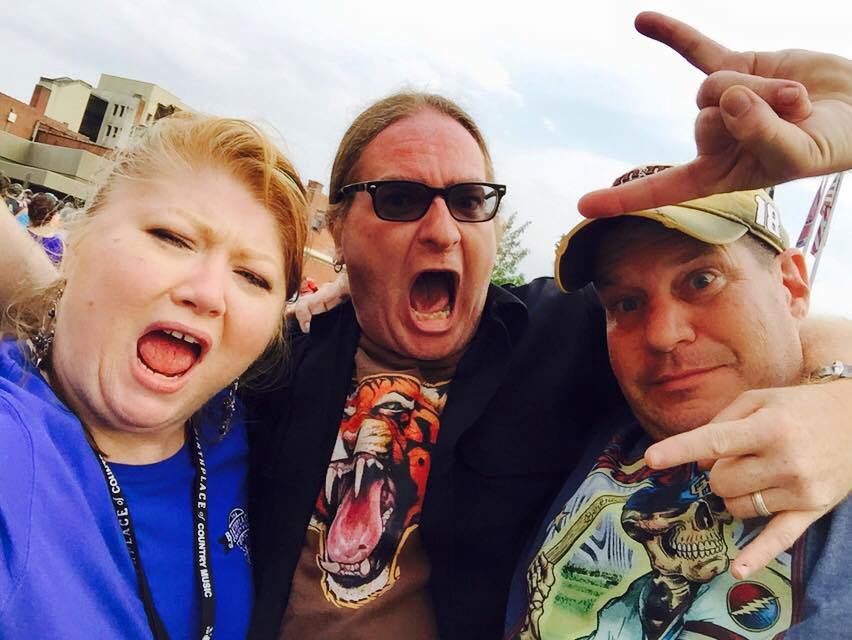
Me and fellow open-minded music lovers/local musicians Chris Slaughter and Jonathan Crain checking out Steve Earle & The Dukes at the festival in 2015. Photo courtesy of Charlene Baker

With that said, I love Bristol Rhythm & Roots Reunion. It is an epic, foot-stompin’, whoopin’ and hollerin’, fist-pumpin’ music festival that rockers, punks, hipsters, bluegrass lovers, and country fans can rock out to together. I personally guarantee you will find something there that will move you and several new artists that you will love. In fact, the festival introduced me to some amazing traditional acts that I likely wouldn’t have discovered otherwise: The Del McCoury Band, Billy Strings, The Carolina Chocolate Drops, and Dale Watson are just a few examples. And you know why I fell in love with them? The musicianship, plain and simple. When you see a master picker working those strings live and in person, it changes you.

Music doesn’t have to be pigeonholed and wrapped up in a tidy, genre-specific bow for it to make you happy. And I love to see people happy. That’s another reason I love Bristol Rhythm & Roots Reunion so much. Everyone there is so happy.

So, for all of you who have told me you don’t like country music and that’s why you don’t come to Bristol Rhythm & Roots Reunion, I have a little gift. I have compiled for you a Spotify playlist of my favorite, rockin’ bands that have played the festival in the past to show you what you’ve missed. Click here and enjoy!

And book that ticket to Bristol Rhythm ’17 – trust me, you don’t want to miss out for one more year.

A diverse mix of fans rock out to Cutthroat Shamrock at Bristol Rhythm. Photo courtesy Aimee McNeill www.aimeemcneil.com.

Charlene Tipton Baker is a Marketing Specialist at the Birthplace of Country Music.

Momma: Birthday Memories of June Carter Cash

Valerie June Carter is my Momma!

She was born in 1929 to Ezra and Maybelle Carter in Maces Springs, Virginia, and by all accounts, especially hers, she came out talking! She was an entertaining baby and absolutely her Daddy’s knock-kneed, feisty, funny child as she grew up from a tomboy to a gorgeous young girl. Back then, she would have just as soon be driving a logging truck or working in the garden rather than fussing with bows in her hair – as long as it meant she was helping her Daddy out with his “projects”!

How many days did I spend with my Momma? How many birthdays did we celebrate together?

Since it’s June – and her birthday is today on the 23rd of that month – I always like to think about those times and be grateful for every moment I had with her… But still, the answer to my questions: Not enough!!!

If you’re reading this blog post, chances are you know her as June Carter Cash, the Entertainer. She was all that you knew her publicly as, but so much deeper than the character she portrayed on stage. I knew both of these versions of my Momma, and I respected and loved them both passionately! And she was always the smartest person in the room, of that I have no doubt.

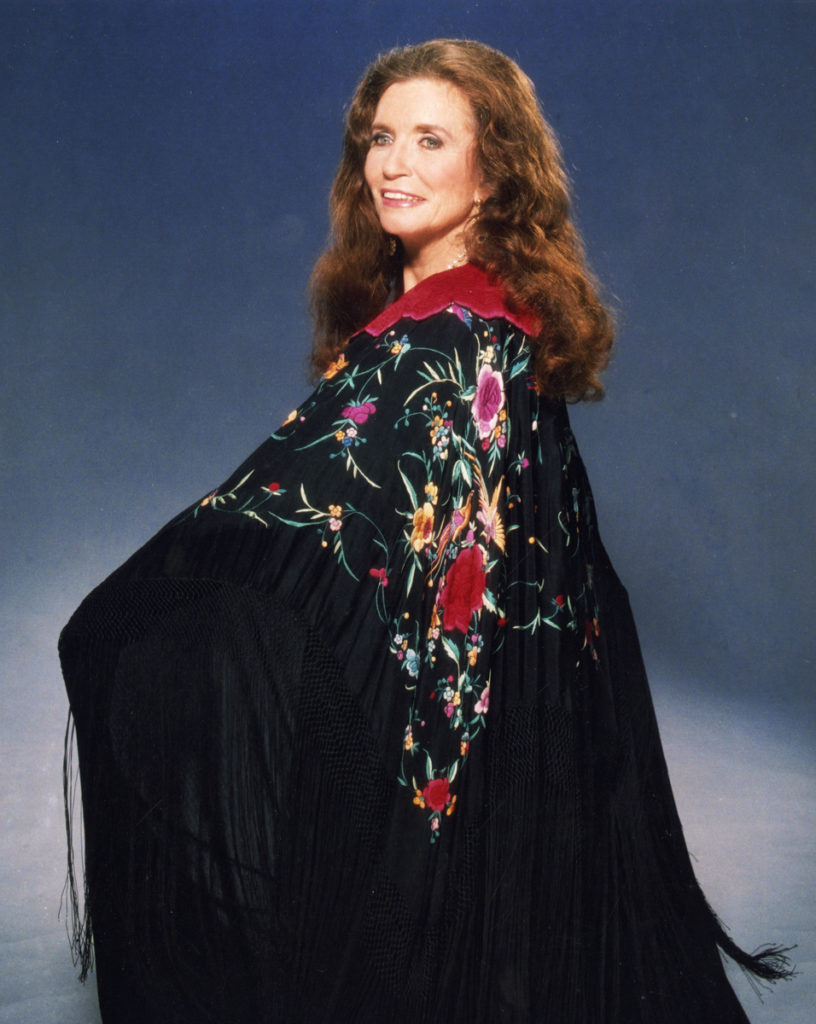
June Carter Cash. Photo: Harry Langdon

I could write an entire book of stories about her, or stories she’s told me, but that’s not happening today. Nope! Today I want to share some birthday memories with you all.

Coming from the generations of artists that made up my family, she taught us about birthdays as she was taught by her Momma – it’s just a day, and we celebrate when we’re all together. So if Momma was on tour, and I was not with her, we looked at the calendar and picked the day that was going to be her birthday day that year!

And, in fact, so it went with all holidays and celebrations. For example, almost every summer when Rosey and I were little, our Momma would be on the road playing state fair dates. We loved this because we would go with her, and we could ride the rides while she was working. There were a lot of Momma’s birthdays spent like that, and as Rosey’s birthday was in July, same with her’s too; my birthday being in September meant that only happened sometimes as Momma was all about me getting an education under my belt. So you get the drift about our ways of celebrating special days, including the Carter-Cash Christmas, which was often done around Thanksgiving instead as they loved being down in Jamaica during the cold months in Tennessee. Sometimes we would go, sometimes not!

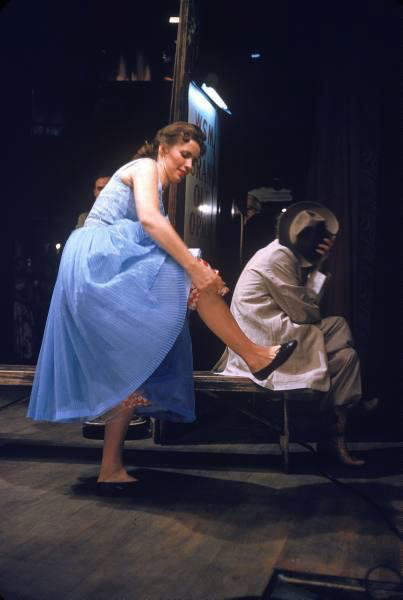
Momma, 1956. I was almost 8 months old on this Saturday night at the Opry. It was Momma’s birthday, and I was no doubt sleeping in Aunt Nita’s or somebody’s upright bass case off stage!  Photo courtesy of Carlene Carter

But I’ll go back to the 1950s and 1960s now. For Momma’s birthday, Rosey and I would get up extra early and make strawberry pancakes and serve her breakfast in bed, singing her HAPPY BIRTHDAY while she pretended to be surprised. We’d make these crazy glitter-covered cards for her, and she’d always say: “The most beautiful cards I have ever seen, girls!”

Then a lot of times we would have a big fish fry after going fishing in the pond at our home in Madison, Tennessee, or from out on the lake where we later lived with John after they got married. And, of course, she loved parties and having all her friends and family over – that was our Momma!

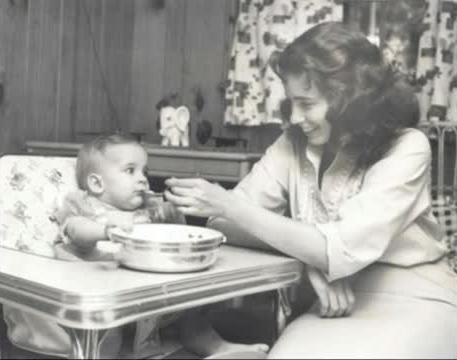
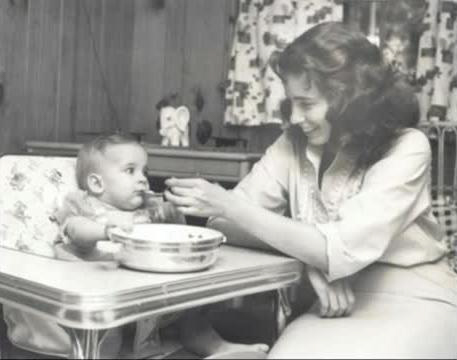
Polaroid photo of Momma and me, 1955 or early 1956, I’m guessing! Photo courtesy of Carlene Carter

She was everything to her kids: me, Rosey, and John Carter. And now I celebrate her birthday every year since she passed because I was so blessed to have been her baby girl. She was the sweetest, the funniest, the most generous, and the strongest woman I have ever known in my life!

Happy Birthday, Momma.

xoxo

Guest blogger Carlene Carter is a singer and musician, and the daughter of June Carter and Carl Smith.