Museum Archives - Page 32 of 34 - The Birthplace of Country Music
Listen
Play
Loading station info...

National Radio Day: Connecting Old and New Through Radio Bristol

Today is National Radio Day, the perfect time to reflect back on the creation of our radio station, WBCM Radio Bristol. Radio Bristol is an active radio station with ongoing live programming in the museum, but this growing branch of our organization started as an exhibit about radio history.

When the museum’s team of content researchers, scholars, and writers who shaped the core exhibits of our museum came together to interpret and present the importance of early radio, we discussed ways to make radio history more engaging than the original plan: a static exhibit on radio displayed in a mock studio. We considered how we could make the studio interactive instead, and from these early conversations and after much thoughtful consideration, BCM staff and board decided that a working radio station would highlight that history much better and so we applied to the FCC for a low power FM license. A team of advisers from the radio industry helped shape that application and the subsequent launch of Radio Bristol.

What better way to make radio history interactive than through an actual radio station?
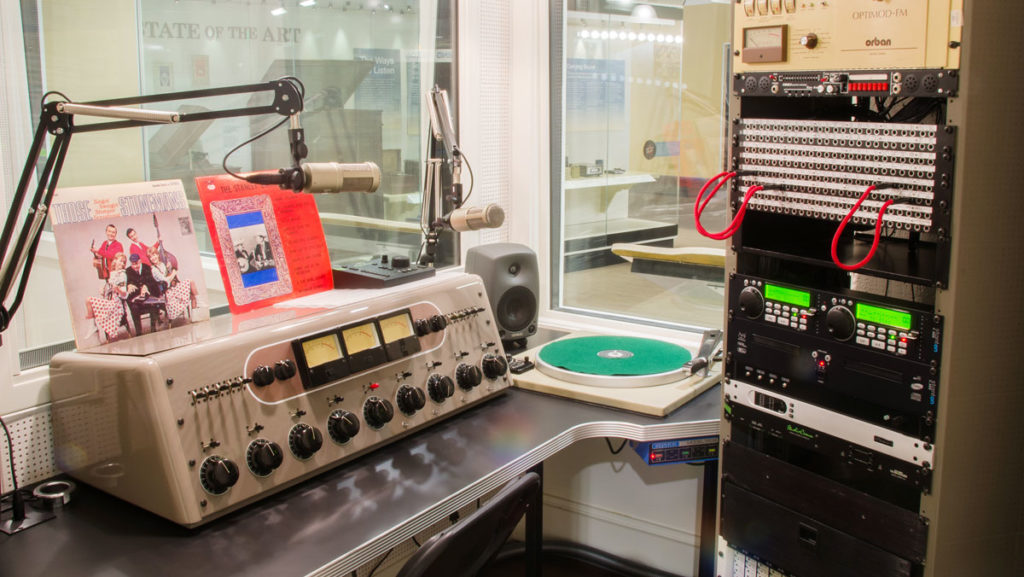
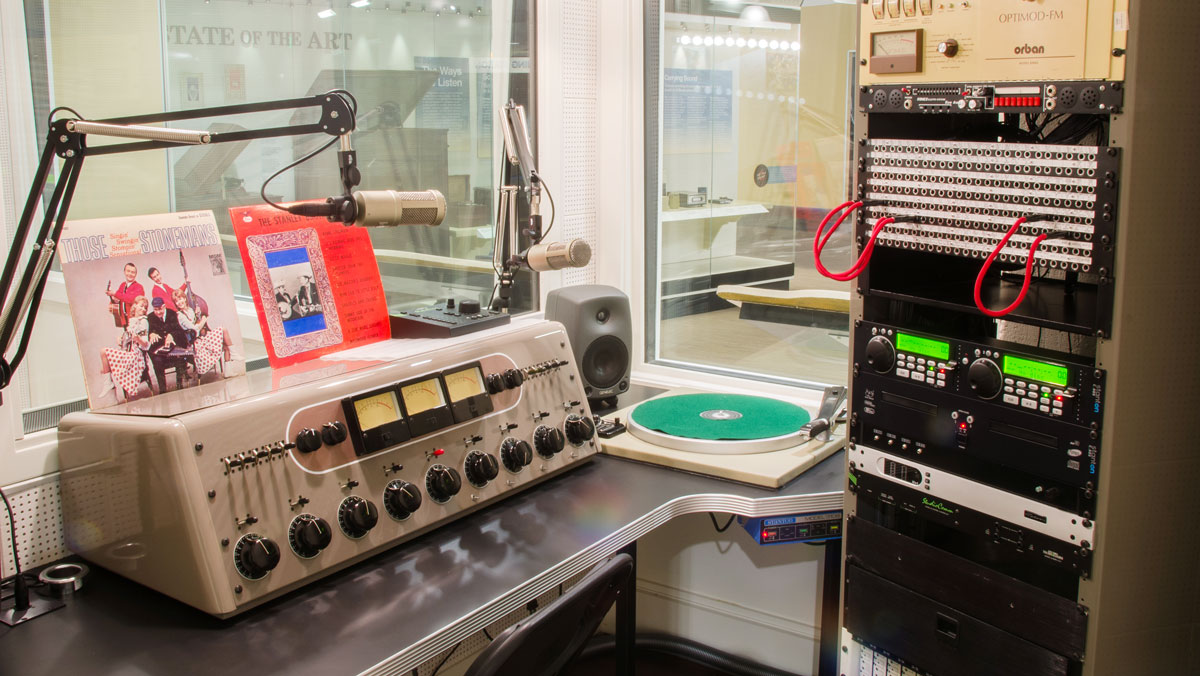
The control room of Radio Bristol, located in the exhibits of the Birthplace of Country Music Museum. © Birthplace of Country Music

One of the most important steps was fitting out the radio studio space. Radio Bristol’s equipment isn’t just stock equipment. The station uses vintage equipment from Bristol radio stations, refurbished and repurposed for today. Sourced from local radio buff and collector William Mountjoy, a Raytheon console from 1940s WCYB Radio was painstakingly rebuilt by engineer Jim Gilmore, retired engineer from TNN. You can read Gilmore’s piece about his work on the console – “Rework of a Classic” – in the Tennessee Radio Hall of Fame September 2014 newsletter. Gilmore, along with colleagues Ron Worrell, Tom King, and Mike Flood, worked hard to help outfit our station with period equipment that performs in the kinds of ways our radio team needed, with the grace of a 1940s radio station and the innovation of the digital. We call it high-tech vintage.
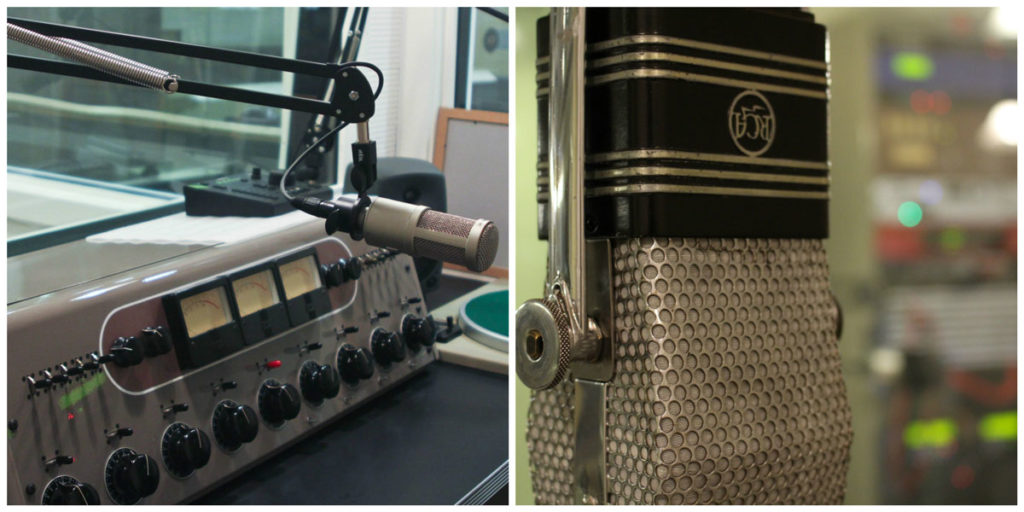
The 1940s Raytheon console and an RCA 44 microphone were once used in earlier radio stations in Bristol. © Birthplace of Country Music

King (of Kintronics Labs) and George DeVault (of Holston Valley Broadcasting), both industry leaders, worked with BCM Technical Director Josh Littleton to install and test equipment. Our antenna, transmitter, and other equipment were donated. This work – which grew far beyond normal museum content curation – really was a labor of love for the radio community who came together on the project. Most importantly, the end result showcases both local radio history and an ongoing commitment to community through the innovation of Radio Bristol.

Radio Bristol, which officially launched with music 24/7 in 2015, has grown out of much effort and the cooperation and expertise of many advisers, and it stands as an example that cultural institutions like ours can harness media and technology to share history and engage community. With Radio Bristol you’ll find far more great music and video content than you can possibly consume. But Radio Bristol isn’t just a great station. It’s also a living part of our museum, broadcasting out of an exhibit space that provides context for our visitors with information on early live radio performances such as Border Radio, The Grand Ole Opry, National Barn Dance, and Bristol’s original Farm and Fun Time. And the station is engaging our museum visitors and radio listeners with historic content and contemporary, often live performances every day. And when radio staff and artists are in this space, as they often are, it gives our visitors a direct window into the working of the station, making what they’ve learned about radio history even more relevant.
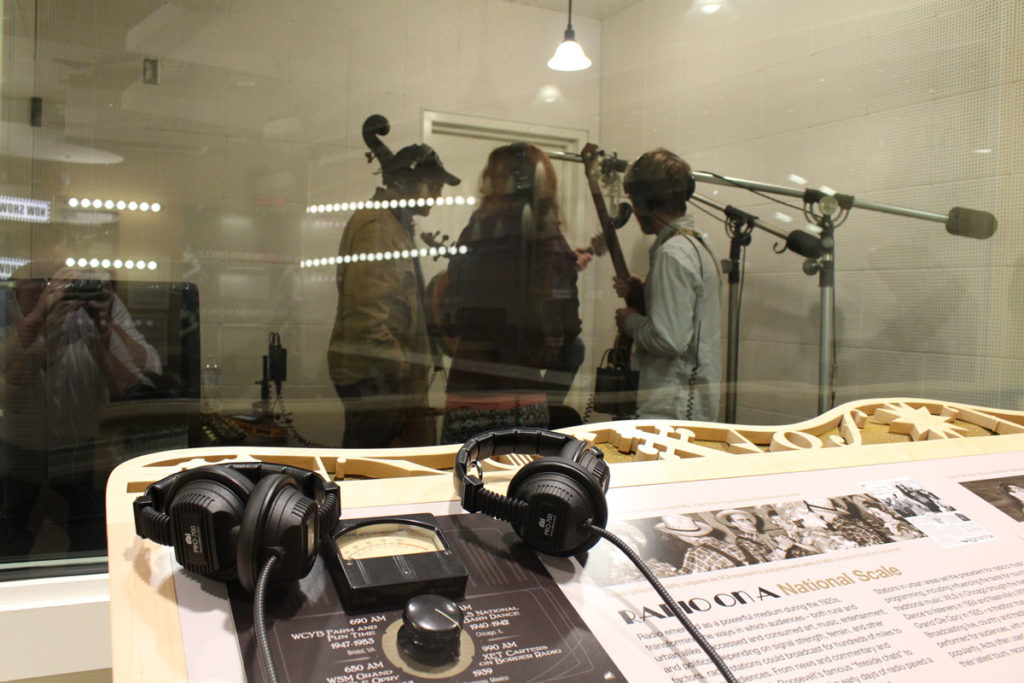
Live studio session in the radio station – a wonderful experience for our museum visitors and radio listeners. © Birthplace of Country Music

Producer Kris Truelsen works tirelessly to ensure broadly diverse programming that digs deeply into music from this area; these are shared across the station’s different music and video channels. Live programs throughout the week feature music ranging from regional roots music (old-time and many other styles) to contemporary Americana. Radio Bristol DJs come from a variety of music backgrounds – many are musicians themselves – and all steeped in local music practices and communities of our region. It’s rich listening.
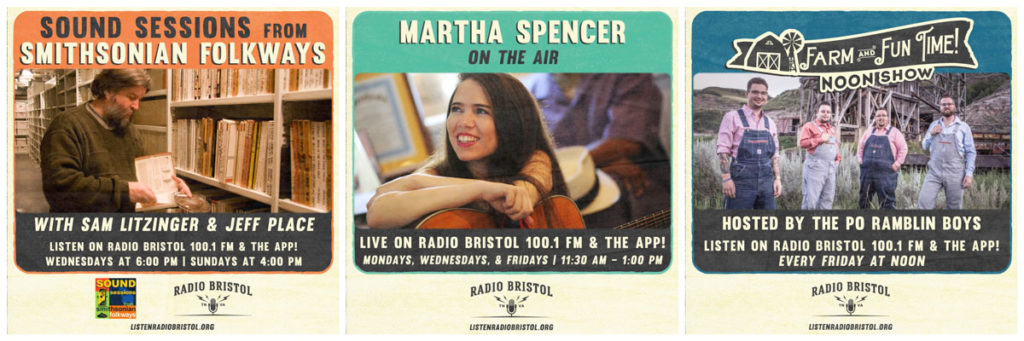
A sampling of programs on Radio Bristol. © Birthplace of Country Music

One of Radio Bristol’s signature programs, Farm and Fun Time, draws on the historic 1940s—1950s radio program on WCYB in Bristol and has been featured on this blog several times. Radio Bristol’s Farm and Fun Time is a monthly live radio program introducing and familiarizing listeners with regional music and contemporary Appalachian culture. While music sets the foundation of the show, farming and food culture play an important role too. With the inclusion of various segments related to food access and responsible and sustainable farming, Farm and Fun Time showcases the region and its people, honoring the past, the present, and the place simultaneously through an incredible live program.
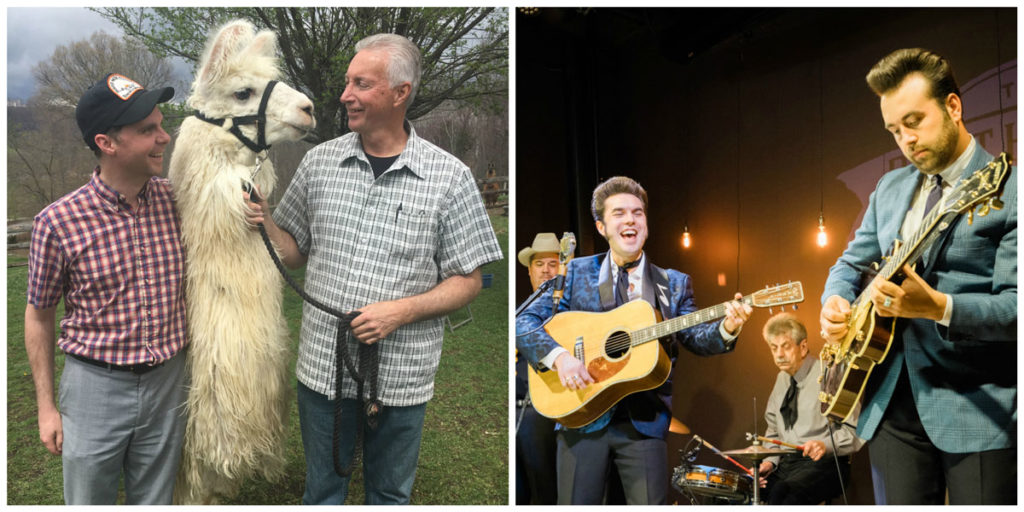
Farm and Fun Time host Kris Truelsen visits a llama farm for the show’s “ASD Farm Report” segment, and the Malpass Brothers perform on the April 2017 Farm and Fun Time. © Birthplace of Country Music.

And in addition to the polished programming and live music sessions Radio Bristol produces, the museum taps into the radio station as an interactive tool for education as part of our programming. We often have students in the studio and in production spaces, such as with our annual Pick Along summer camps or special outreach programs with local youth organizations.
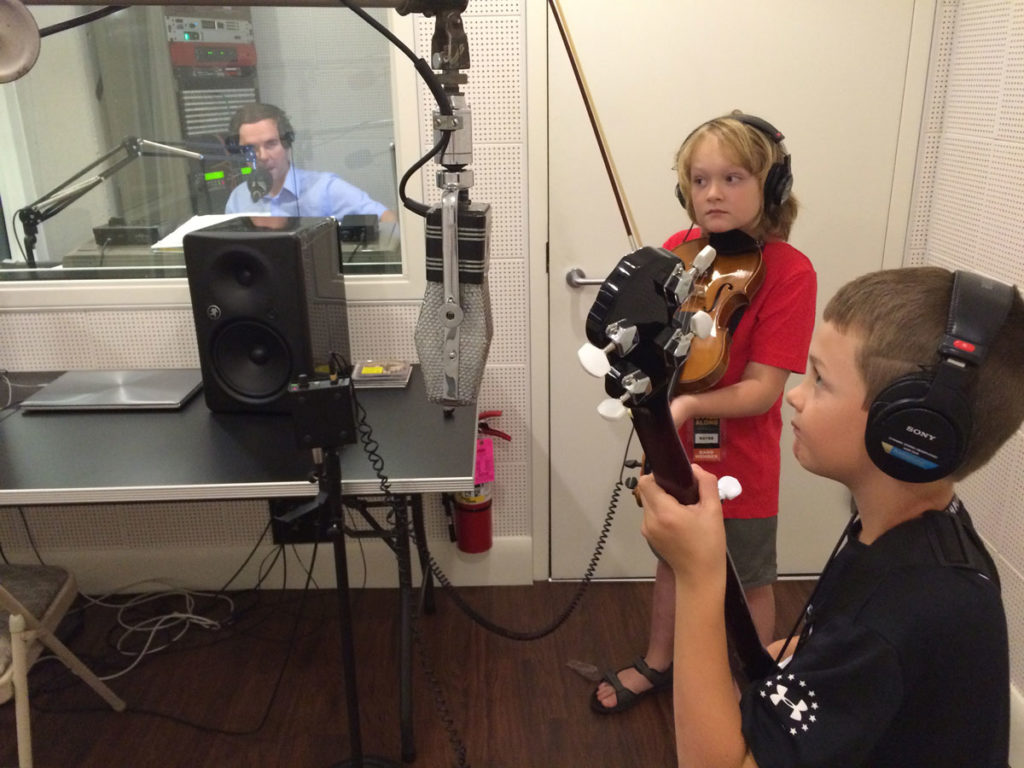
Summer camp students perform live on the radio with Producer Kris Truelsen. © Birthplace of Country Music.

Early on, when we first started this journey, some people wondered why start a radio station when streaming online is cheap and music sources saturate the Internet? These folks argued that building a NEW radio station is a risky investment using an old-school platform. But Radio Bristol is anything but old-school, and it is unique in its focus on local community and the diversity of this region’s music. It is deep and engaging, just as the museum curators hoped it could be. At the Birthplace of Country Music, we took a gamble a few years ago when we began work to develop Radio Bristol. Now just two years after the station launched, Radio Bristol has recently been honored with several nominations from the International Bluegrass Music Association for its innovation and leadership – IBMA’s Momentum Awards for Producer Kris Truelsen, the Farm and Fun Time show, and Farm and Fun Time’s house band Bill and the Belles, and IBMA’s Special Award nomination of Broadcaster of the Year for Producer Kris Truelsen.
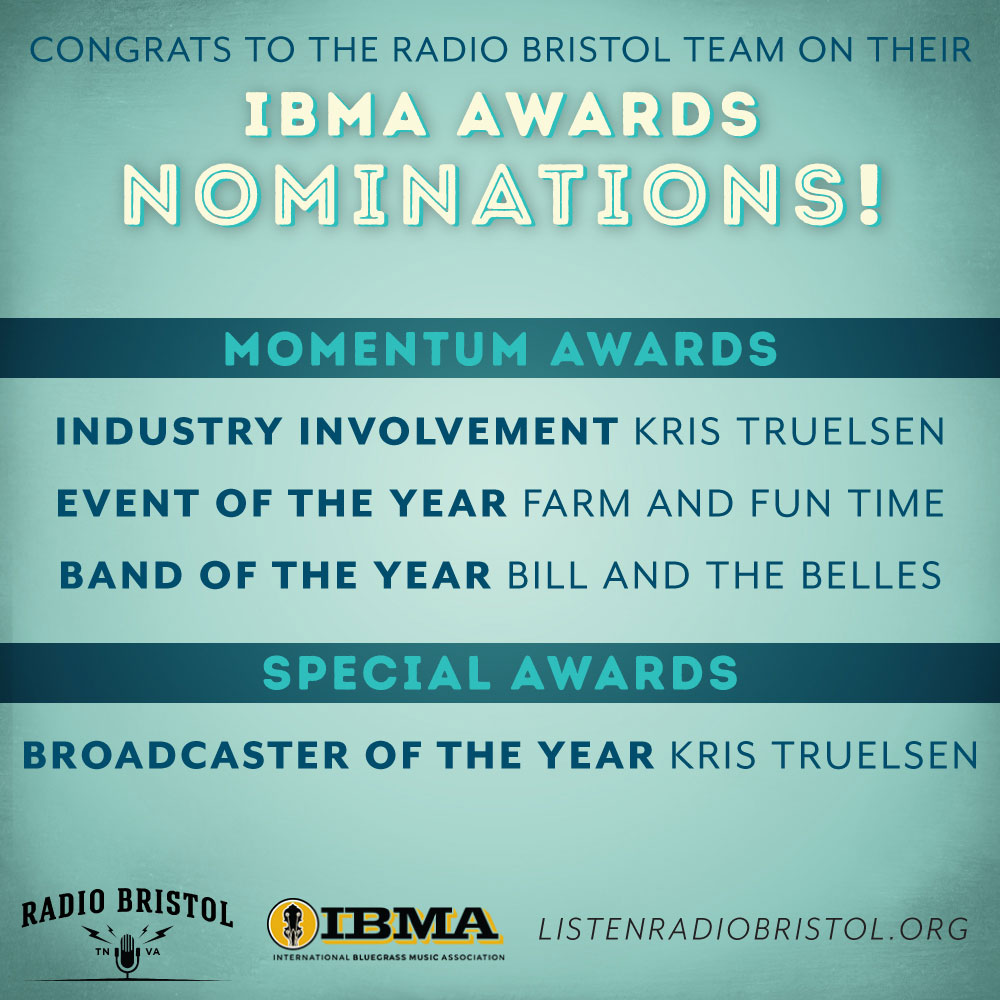
A graphic shout-out to our Radio Bristol team in recognition of all their hard work and achievements. © Birthplace of Country Music

We congratulate our team for the recognition of their efforts and continue to be amazed at how this station has exceeded our expectations. And so today, on National Radio Day, we honor the history and innovation of radio in America, and we also honor the way radio platforms focused on community make those communities more vibrant and engaging.

If you haven’t listened to Radio Bristol, stop reading and get to it. I challenge you to choose just one favorite program!

Jessica Turner is the Director of the Birthplace of Country Music Museum.
Fiddlin’ Cowan Powers and His Family String Band: Pioneers in Early Country Music

Back in the early 1920s, there was a quest for “hillbilly music.” A&R men – A&R stood for artists & repertoire – were heading out of their studios in New York and other big cities to find recording talent that played the traditional music they knew would sell.

And there were plenty of musicians who were ready to play their tunes into the acoustic horn (and later the electric microphone) and lend their music and voices to a cylinder or 78 recording that carried that tune to others. One of those artists was Fiddlin’ Cowan Powers, who led The Powers Family, hailed as the first family string band to be commercially recorded.

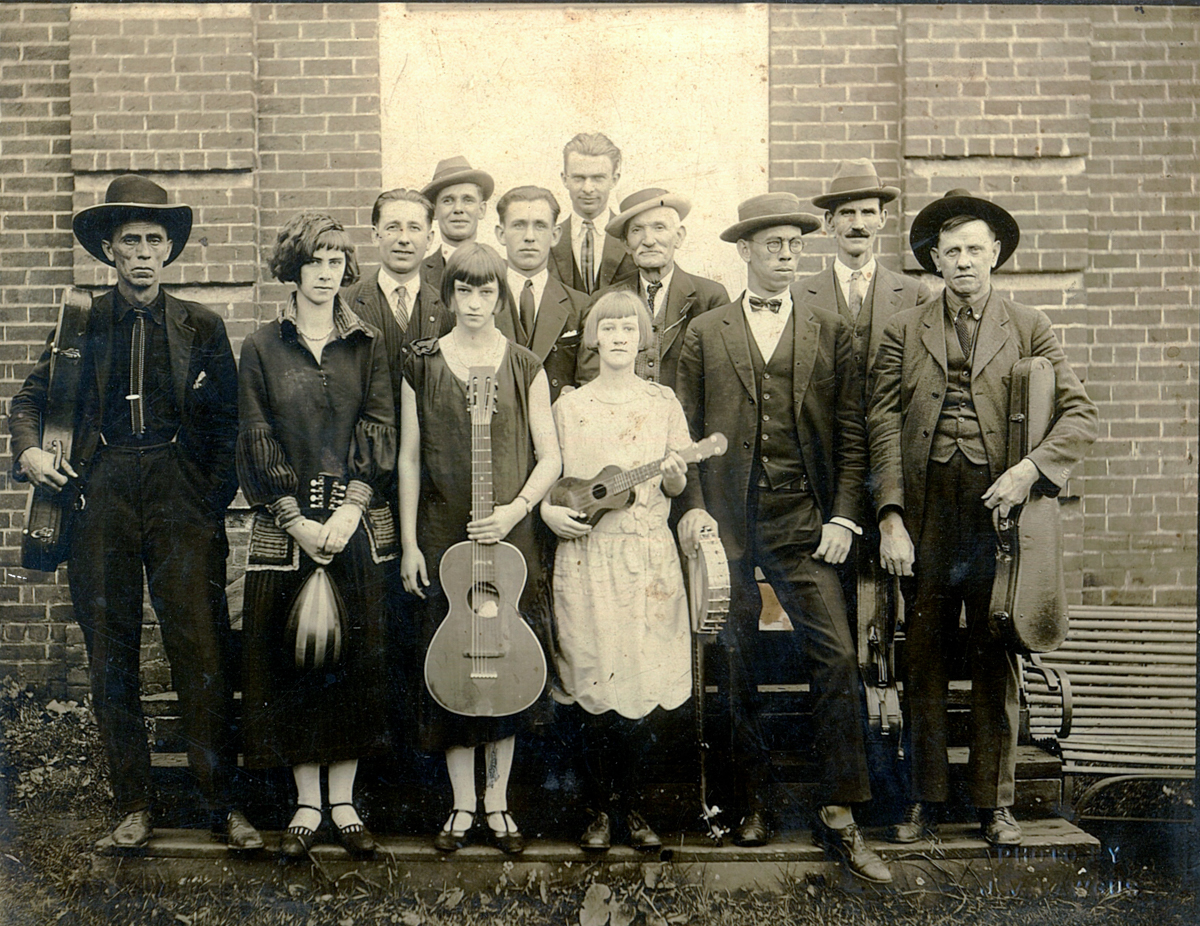
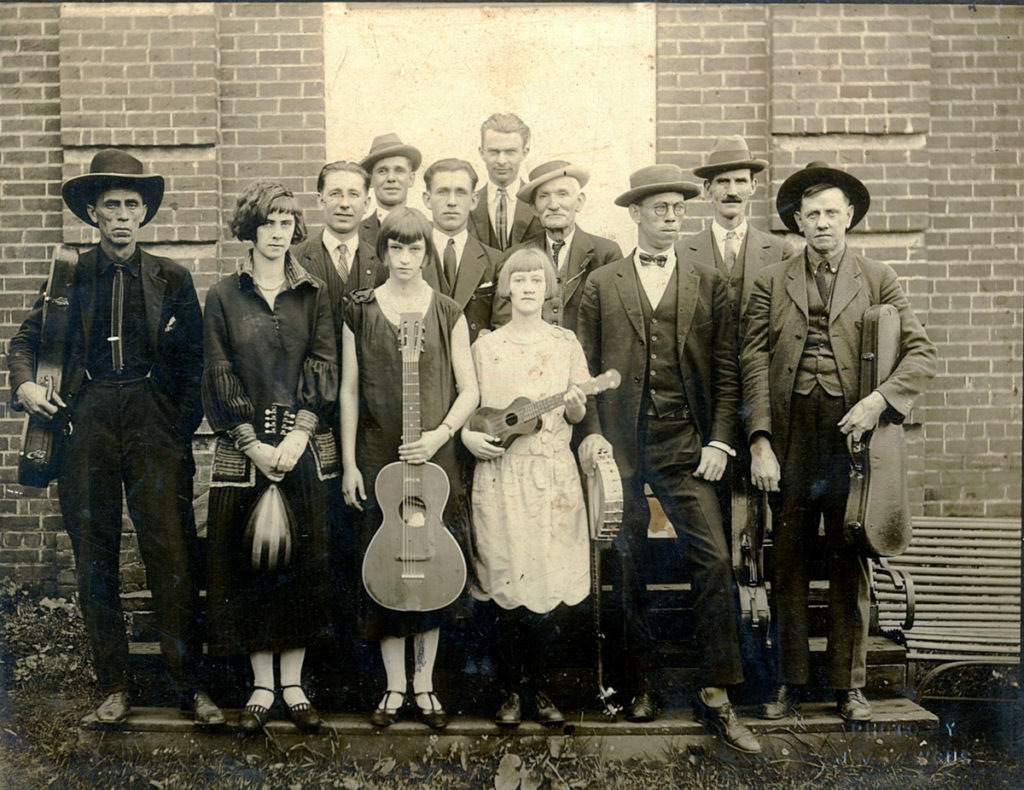
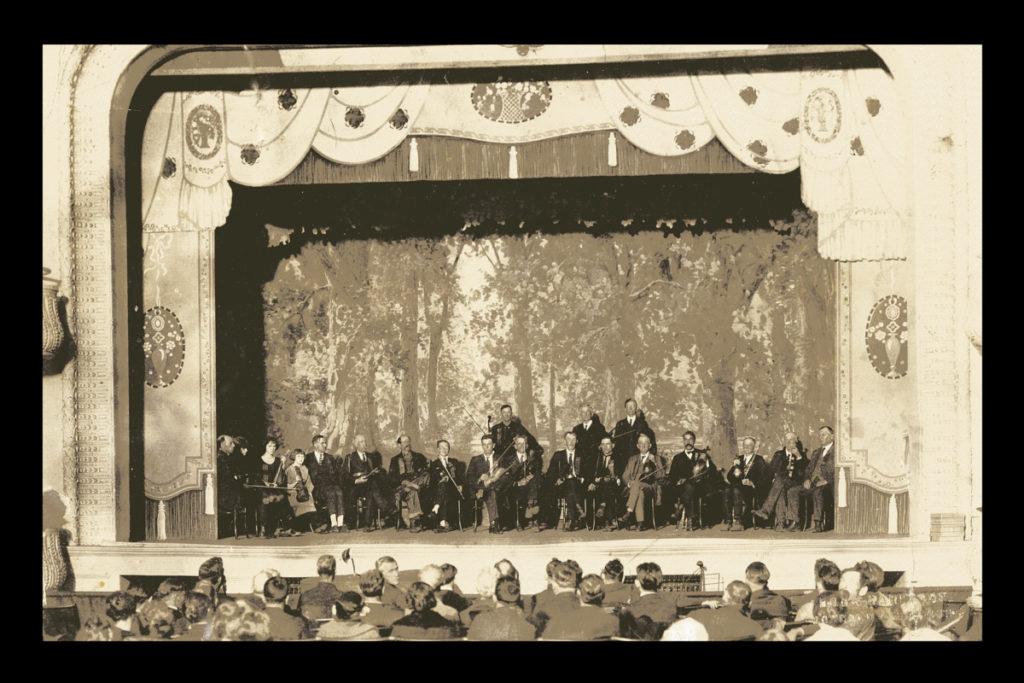
The Powers Family are on the front row of this group of musicians with, from left to right, Cowan Powers, daughters Orpha, Carrie, and Ada, and son Charlie. Photograph courtesy of James Powers, Patty Powers, and Stephanie Collins

Fiddlin’ Cowan Powers was born James Cowan Powers in October 1877 in Russell County, Virginia (as with many old-time musicians, birth dates vary depending on the source; I’ve also seen 1879). He married Matilda Lambert, and they had four children together. Powers was a musician, and he also worked the land and as a carpenter and leather worker – making leggings and underarm holsters, amongst other things.

With a father who played fiddle and a mother who played banjo, it was inevitable that the children would also play a host of instruments: Charlie on banjo, Orpha on mandolin, Carrie on guitar, and Ada on ukulele. After Matilda died in 1916, Powers looked to music as a profession and took his children on the road with him as members of the family string band.

The Powers Family first made their mark in a Johnson City, Tennessee, music competition in the early 1920s. They were soon traveling around southwest Virginia, northeast Tennessee, and neighboring states, performing at a variety of stage shows and dances, and also playing in fiddle and music competitions. James Powers, youngest son of Fiddlin’ Cowan Powers, tells us that he found around 25 $10 gold coins in his father’s belongings after he passed, all winnings from fiddle contests. The band also played on local radio stations, including WOPI in Bristol, Tennessee-Virginia.

The Powers Family got their “big break” at a music competition in Johnson City, Tennessee, in the early 1920s. They are seen here to the far left of the stage. Photograph courtesy of James Powers, Patty Powers, and Stephanie Collins

After the Johnson City competition, a Victor Talking Machine Company representative singled The Powers Family out, asking them to do a test field recording. Their stint behind the mic impressed, and in August 1924, they rode the train up to the Victor studio in Camden, New Jersey, and made their first commercial recordings. In all, The Powers Family recorded 17 songs over two days there, including “The Little Old Cabin in the Lane,” “Sour Wood Mountains,” “Sallie Goodin,” and “Cripple Creek.”

In 1925, The Powers Family recorded for the Edison label in New York City – performing several of the same songs recorded with Victor – and then in September 1928, they recorded six sides for the OKeh company. One of the recordings for OKeh was “Old Virginia Reel,” which was unusual in its length – around six minutes – and thus divided into two parts, one on each side of the 78 record. This piece also features each member of the family performing solo, highlighting the band’s individual talents and personalities. Part 1 of “Old Virginia Reel” starts off with a “master of ceremonies” saying:

“Folks, we’re goin’ to have a real old-time square dance. And while the crowd is gathering and everybody getting their partners, we will have a little rehearsal by Fiddlin’ Powers and Family. First, Miss Orpha with the mandolin…”

Orpha was followed by her brother and then her sisters, each playing their own instruments. Fiddlin’ Cowan Powers – with the anonymous emcee calling him a “fiddlin’ ace” – came next with his version of “Buck Creek Girl,” and then Part 1 ended with a harmonica player. Part 2 brought the whole string band together to play a selection of dance tunes. One can imagine that this recording – the last of The Powers Family’s career – was a pretty good rendition of what a live Powers Family show would have been like.

Photographs of Fiddlin’ Cowan and his children show a very serious-looking bunch – they stare out at the camera with dark eyes and rarely a smile. But from the stories told to us by the family and accounts from those who remember their performances, we know that a Powers Family show was filled with jokes and laughter, a variety of magic tricks performed by Fiddlin’ Cowan Powers, and clog and buck dancing by little Ada. And also sometimes a bit of drama: another family story tells us that Powers shot a man in the leg at one of their shows after the man got fresh with one of his daughters. The man wasn’t killed, but he surely learned a lesson, and Powers had to pay a fine of around $1,000 dollars for his paternally protective action.

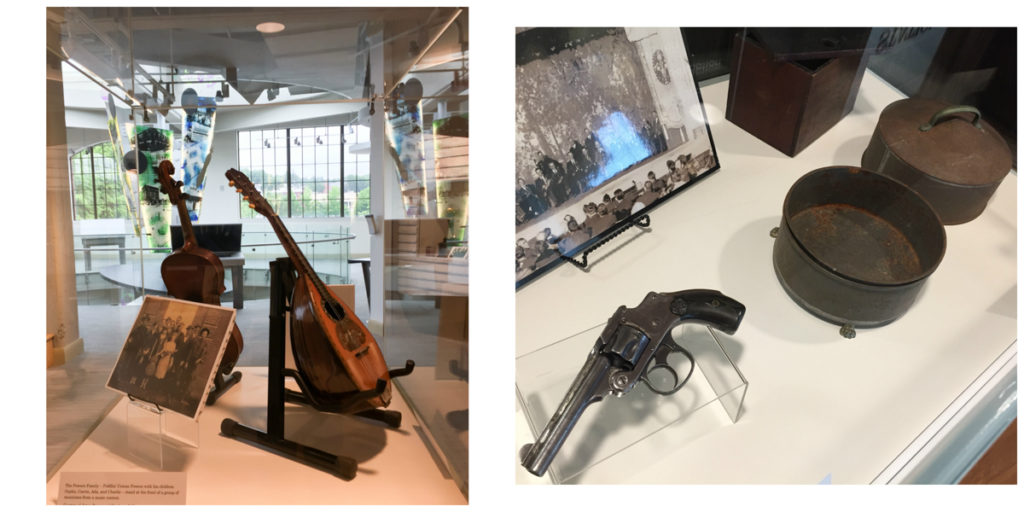
Powers Family artifacts and photographs are currently on temporary display in the museum, including Cowan Powers’s fiddle and some of his magic tricks, Orpha’s mandolin, and the gun shot by Powers at a fresh young man at one of the Powers Family’s performances. Objects on loan from James Powers and Stephanie Collins; photograph © Birthplace of Country Music

The Powers Family stopped performing together in the 1930s when the children began to marry. Cowan Powers continued to play his fiddle with other groups, including the Stanley Brothers, until his death in 1953; the story goes that he died of a heart attack while playing “Cluck Old Hen” on stage at a Stanley Brothers show. Son Charlie had enlisted in the United States Air Corps in the late 1920s, and he passed away in 1942 in a Japanese prisoner-of-war camp. Daughters Orpha, Carrie, and Ada (now playing the autoharp rather than the ukulele) came back together, along with Orpha’s husband Eugene Ireson, as a band, in the 1970s. They performed on local radio and television, and at a number of festivals in the region. Later, after Orpha’s health affected her ability to travel and perform, Carrie and Ada continued together as a duo.

The story of the Powers Family and their music underlines their place as pioneering figures in the history of early commercial country music. They made their mark as the first family string band to record commercially when they took that train up to New York City to record for Victor. And their performance of “Old Virginia Reel” – with Part 1 showcasing each musician on their respective instrument and Part 2 featuring their performance of popular string band tunes – underlined the level of talent in each member of the family and the harmony and energy of the music when they came together.

Most importantly, the memory of The Powers Family and their place in music history is being carried on by their descendants, and luckily for us, shared with the museum and our visitors through objects, stories, and photographs.

René Rodgers is Curator of Exhibits & Publications at the Birthplace of Country Music Museum.
Four Films Highlighting the Bristol Sessions to Watch Again and Again

Four recent and upcoming films brilliantly document the depth and reach of the 1927 Bristol Sessions. Each of these films deserves a space on your media shelves, and each of the filmmakers displays a love of the music and history running through these visual tributes.

The Winding Stream: The Carters, the Cashes, and the Course of Country Music, 2014

The Winding Stream was released in 2014 and has received numerous glowing reviews. Image courtesy of Beth Harrington; graphics by Brian Murphy

Released in 2014 and the oldest film on this list, the acclaimed 90–minute documentary The Winding Stream traces the careers of A. P. Carter, his wife Sara, and his sister-in-law Maybelle, heralded as three of the earliest stars of country music. The film documents how The Carter Family, from their earliest days as Victor recording artists to their international success via the phenomenon of Border Radio, made their mark on the history of American recorded music.

The Winding Stream illuminates the foundation-forming history of this multi-generational musical family. It achieves this through careful research and well-crafted storytelling and with filmmaking techniques that help the viewer feel connected to The Carter Family and to those telling their stories.

Beth Harrington, award-winning producer, director, and writer, tells these stories and others through narrator-less interviews and performances by celebrated roots music practitioners like Johnny and June Carter Cash, George Jones, Rosanne Cash, Sheryl Crow, Kris Kristofferson, and others. Harrington’s work often explores American history, music, and culture, and the decade she spent working on this film is evident in the depth of the history she documents. To read more about the film, check out this review from Variety magazine.

Producer and director Beth Harrington. Image courtesy of Beth Harrington; photo by Amy McMullen

The Winding Stream reminds us that The Carter Family story is one that captured America’s attention starting with the family’s first recordings, and one that continues to capture imaginations in country music history and scholarship to this day.

American Epic: The First Time America Heard Itself, 2017

American Epic: The First Time America Heard Itself has been selected for screening at numerous film festivals, winning awards at Calgary, Tryon, and Sydney. Credit: PBS

Writer and director Bernard MacMahon calls American Epic his love letter to America. With this PBS documentary series, he explores the history of recording technology and American innovation of the 1920s and also celebrates it through contemporary performances. This work – which painstakingly recreates the recording technology of the 1920s and then creates new recordings using this technology – is visually stunning, carefully documented, and a beautifully creative way of honoring early recordings. This is a series to enjoy (the visuals are stunning!) and to study.

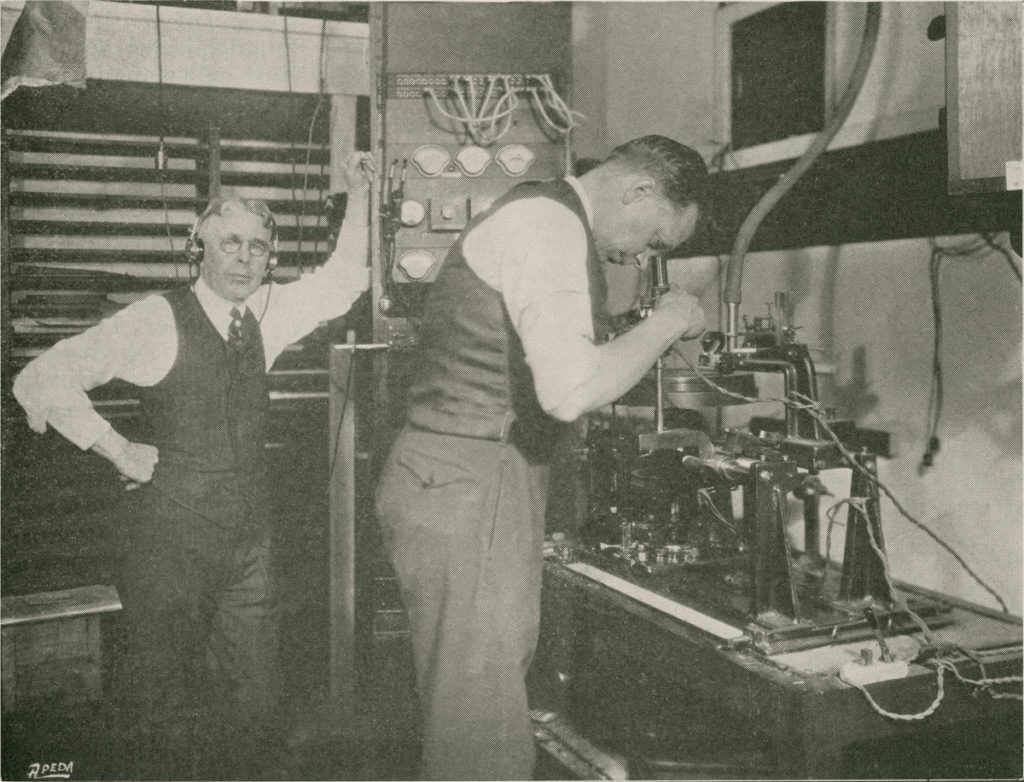
Okeh Engineers Charles L. Hibbard and Peter P. Decker with a Western Electric amplifier and cutting lathe from American Epic: The Big Bang. Image courtesy of Maida Vale Music

With executive producers T Bone Burnette, Jack White, and Robert Redford, the film has some major brains and talent behind it. The film was produced and directed by Lo-Max Films, led by Allison McGourty, Duke Erikson, and MacMahon, who bring their filmmaking skills and knowledge of music history to a project that was over 10 years in the making. You can watch the trailer to American Epic here, and learn more about the research and recreation of the technology that went into the film here.

Born in Bristol: The Untold Story of the Birth of Country Music, 2017

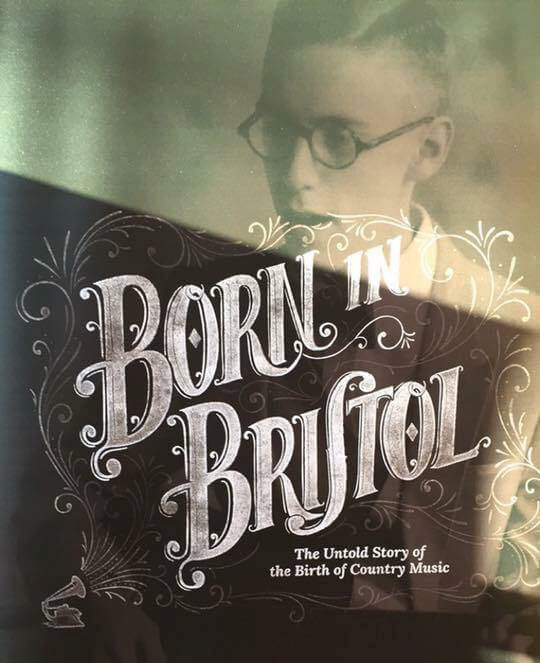
Born in Bristol earned recognition at the 2016 Cannes Lions International Festival of Creativity, and the film premiered in Bristol with several screenings on August 3–6, 2017. Image courtesy of VML

Born in Bristol is a 53-minute documentary and drama profiling the 1927 Bristol Sessions; it also highlights the 2015 production of Orthophonic Joy: The 1927 Bristol Sessions Revisited, an album where contemporary country artists put their own spin on the songs of the Bristol Sessions. The film was produced by the Tennessee Department of Tourist Development, with support from the Virginia Tourism Corporation, and it features performances by and interviews with Dolly Parton, Vince Gill, Eric Church, Emmylou Harris, Steve Earle, Marty Stuart, Sheryl Crow, Doyle Lawson & Quicksilver, and many more. Hearing the musicians speak about the impact these recordings have had on them, and the reverence they feel for the music of this region, underlines the legacy of the Bristol Sessions and the ways in which they still resonate today.

Filming began in 2014 by Plan A Films, and several locations in and around Historic Downtown Bristol were chosen to recreate the story of the legendary 1927 Bristol Sessions recordings. A number of local musicians, actors, and extras were cast in the film. The film earned shortlist honors at the 63rd Annual Cannes Lion International Festival of Creativity in Cannes, France in the category of Film Craft – Use of Licensed or Adapted Music. You can read more about the film here.

Country Music, to be released in 2019

This much anticipated new documentary series by award-winning filmmaker Ken Burns is scheduled to be released in 2019. The film’s team is stellar: Country Music will be directed and produced by Ken Burns; written and produced by Dayton Duncan; and produced by Julie Dunfey – Emmy Award-winning creators of several of PBS’s most-acclaimed and most-watched documentaries.

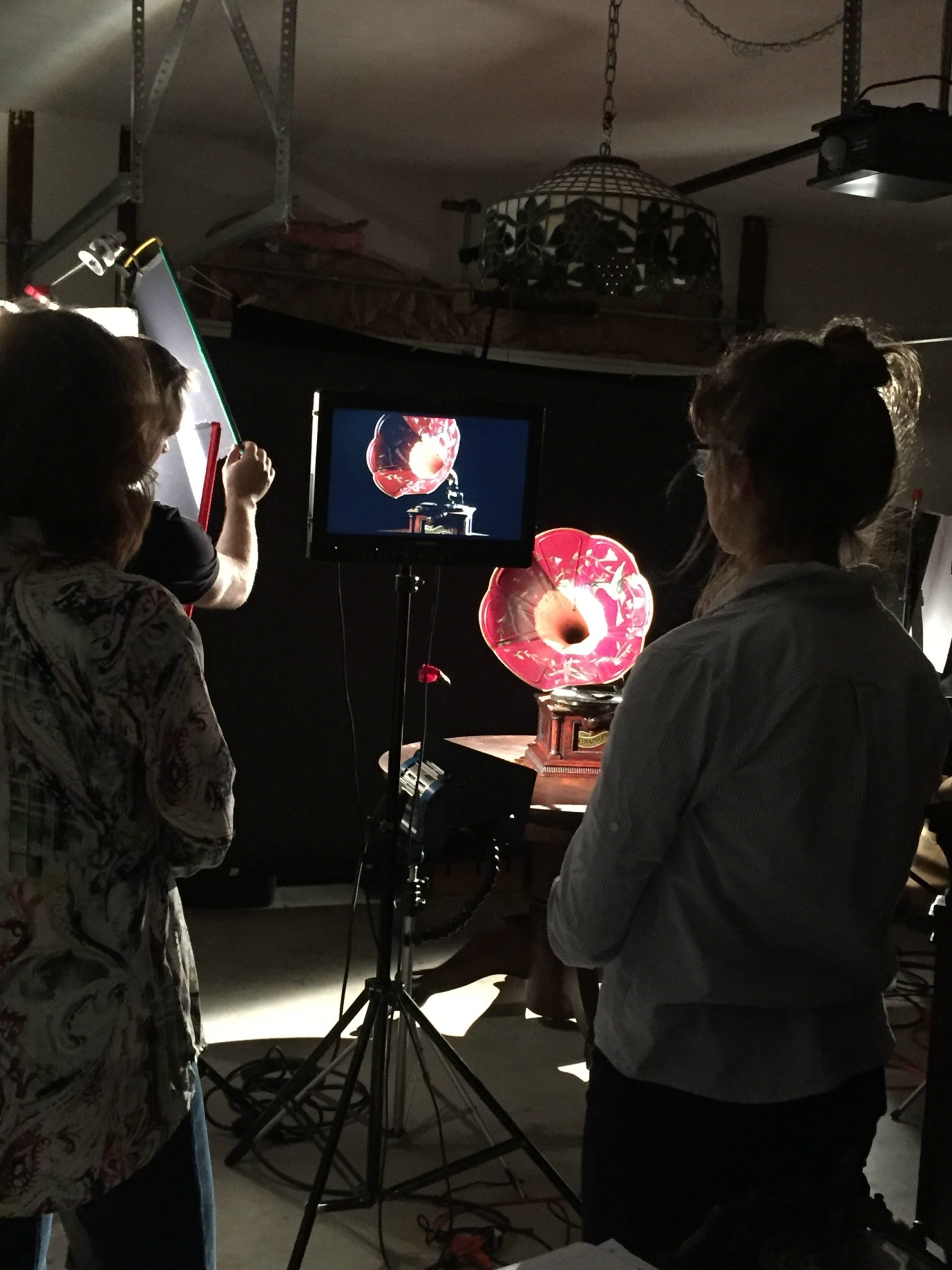
The Country Music crew, led by Julie Dunfey, visited Bristol during their research. They can be seen here setting up a shot of a phonograph playing a 78 record. © Birthplace of Country Music, photographer: Rene Rodgers

The filmmakers state that Country Music will “chronicle the history of a uniquely American art form, rising from the experiences of remarkable people in distinctive regions of our nation. From southern Appalachia’s songs of struggle, heartbreak and faith to the rollicking western swing of Texas, from California honky tonks to Nashville’s Grand Ole Opry, we will follow the evolution of country music over the course of the twentieth century, as it eventually emerged to become America’s music. Country Music will be a sweeping, multi-episode series, exploring the questions “What is country music?” “Where did it come from?” while focusing on the biographies of the fascinating characters who created it – from The Carter family, Jimmie Rodgers, and Bob Wills, to Hank Williams, Johnny Cash, Loretta Lynn, Charley Pride, Willie Nelson, Dolly Parton, Emmylou Harris, Garth Brooks and many more – as well as the times in which they lived.”

In the search for valuable memories and experiences that make up this story, gathering firsthand interviews for the Country Music series has often been a race against time – you can read more about this work here.

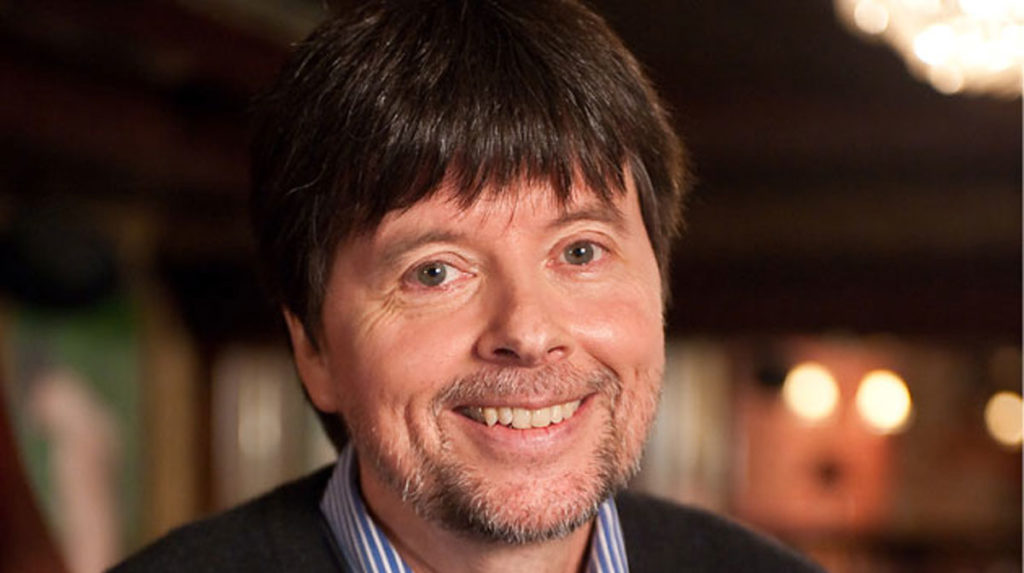
Ken Burns. Photo credit: Florentine Films

Each of these films takes a reverent approach to visualizing country music history and exploring the early history of this genre and its many influences and (winding) paths. With considerable research and respect for the musicians and their craft, each takes a different approach to telling the complex story of country music.

So watch these films, and savor their stories and the history that made them – we guarantee you’ll want to listen to the music and learn more.

Kim Davis is Director of Marketing and Jessica Turner is the Director of the Birthplace of Country Music Museum.
 

The Summer of 2017: The 90th Anniversary of the 1927 Bristol Sessions

In the summer of 1927, the movie The Jazz Singer was released and heralded as the first talkie (a film featuring dialogue between characters). Charles Lindbergh also flew the first transatlantic flight. It was an eventful and innovative time, as writer Bill Bryson marvels about in his book One Summer: America, 1927.*

It was also the summer that Ralph Peer of the Victor Talking Machine Company came to Bristol and recorded the now-famous Bristol Sessions.

This year the Birthplace of Country Music marks the 90th anniversary of those sessions with several special events, including films, concerts, and special admission prices to the museum. Recently we held a symposium about the 1927 Bristol Sessions that included special events to honor family members of the artists who recorded for Ralph Peer back in 1927. The symposium reflected on the convergences of technology, talent, and business prowess that made possible one of the most significant recording sessions in commercial music history.

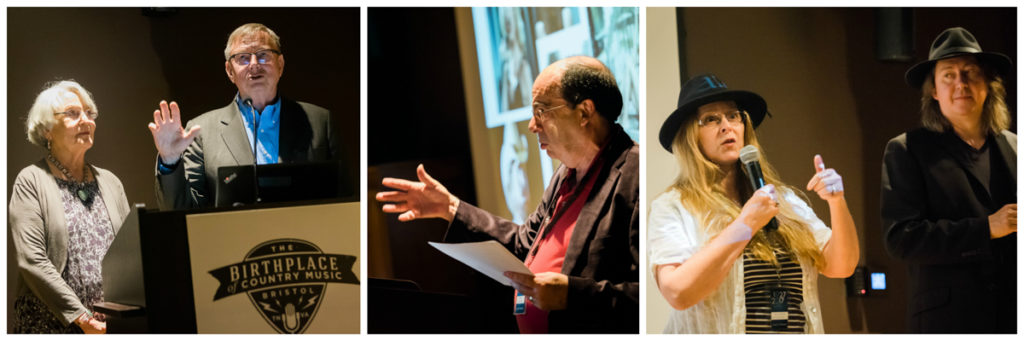
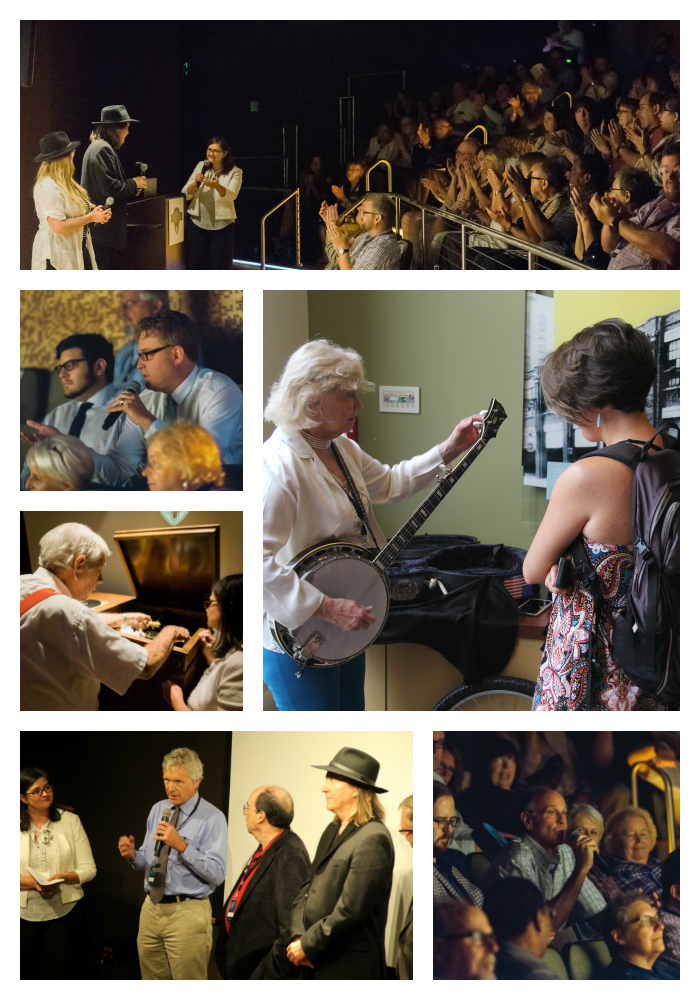
Symposium speakers Ralph Peer II and Liz Peer, author Barry Mazor, and American Epic producer Allison McGourty and director Bernard MacMahon. © Birthplace of Country Music, photographer: Billie Wheeler

We were honored to have as keynote speakers Ralph Peer II and his wife Liz Peer, whose family continues the Peer legacy of music publishing at peermusic. They were accompanied by their three children, Mary Megan Peer, Elizabeth Ann Peer, and Ralph Peer III. From the film American Epic, director Bernard MacMahon and producer Allison McGourty gave a talk and screened parts of their film, which documents a journey that painstakingly recreates the recording technology of the 1920s and then creates new recordings with this technology. This PBS film is a visually stunning, carefully documented, and beautifully creative way of honoring early recordings. The symposium also featured scholars and authors Barry Mazor and Ted Olson, whose research and writings highlight and explore in detail the important history surrounding the 1927 Bristol Sessions.

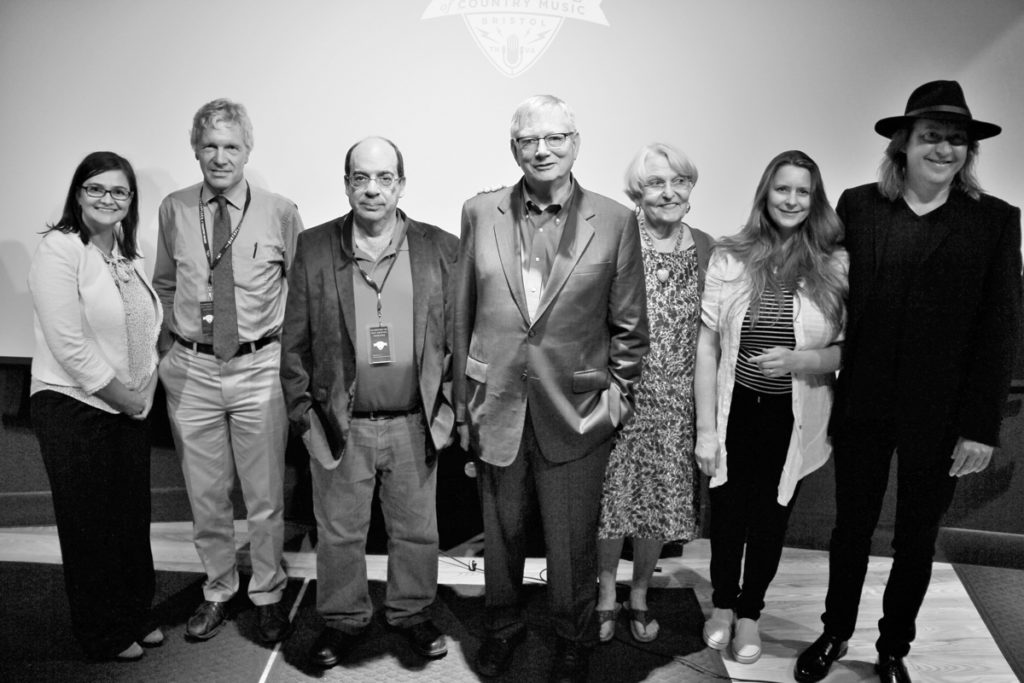
Symposium speakers Dr. Jessica Turner, Dr. Ted Olson, Barry Mazor, Ralph Peer II, Liz Peer, Allison McGourty, and Bernard MacMahon. © Birthplace of Country Music, photographer: Mark Logsdon

There are no photographs that document the Bristol Sessions. Only a handful of musical instruments remain that were recorded in the Sessions, and few artifacts exist that can be traced back to those recordings. Yet the Bristol Sessions continue to shape country music history through our musical lineages and in our imaginations. And the 1927 Bristol Sessions form the key content of the Birthplace of Country Music Museum, to which we anchor our permanent exhibits and which we continue to dig into and explore.

Those recordings capture a musical moment that is arguably one of the most influential country music recording sessions in history. The Sessions launched the careers of The Carter Family and Jimmie Rodgers. They illustrate the versatility of Ernest and Hattie Stoneman, whose long career in country music is reflected by the fact that the Stoneman Family has songs on every recording format there is, from wax cylinders to digital files.

They reflect traditional Appalachian music styles and sacred music as these styles were just beginning to be recorded, such as the holiness music recorded on the Bristol Sessions. And they capture the variety of music styles before early country music was more standardized – before bluegrass even existed – and are full of creativity, replete with entrepreneurialism, and filled with many voices.

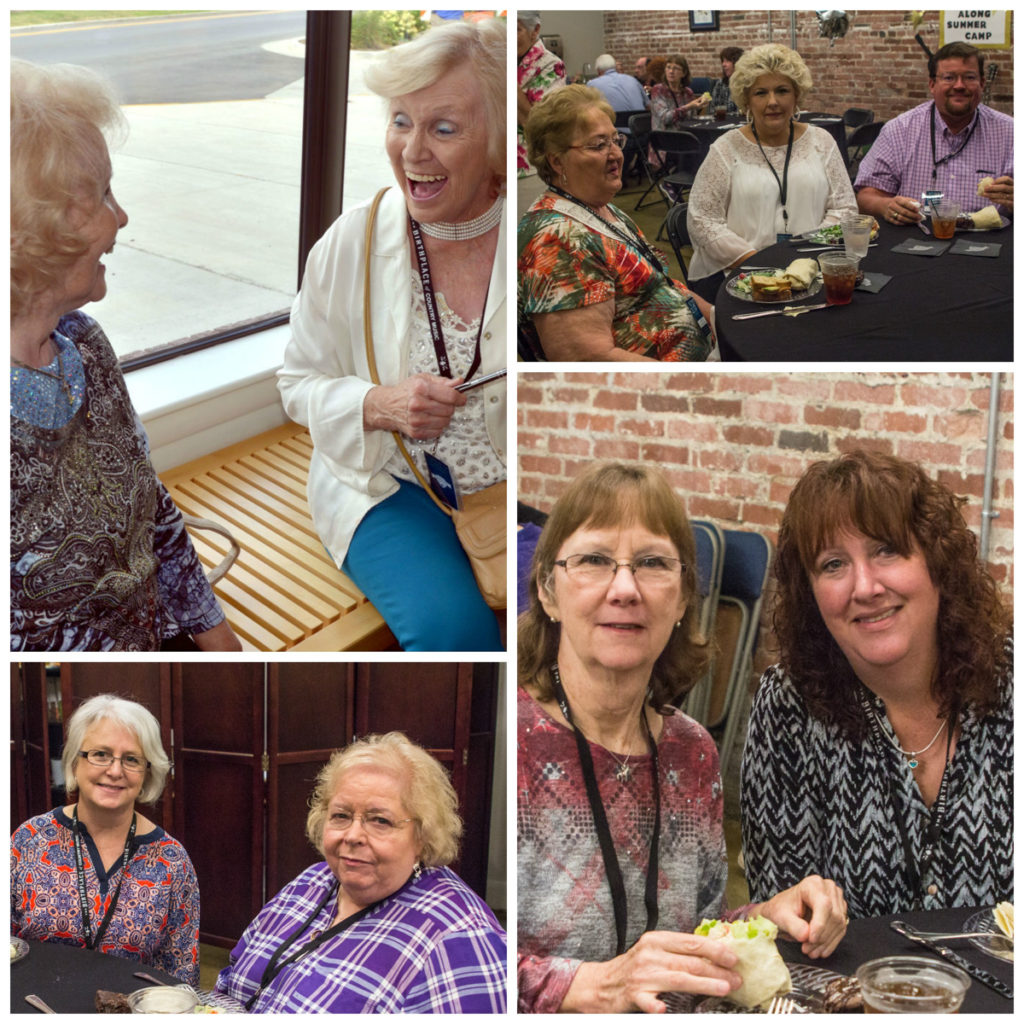
Those voices carry on in many of the communities from which they came, and we were honored to be joined at the symposium by many family members of Bristol Sessions artists. Museum staff spent the morning doing oral history interviews with family members for our archives (and for future blog posts!), and we honored our guests with a special luncheon. Members of The Stoneman Family, The Carter Family, Jimmie Rodgers Family, Blind Alfred Reed Family, Ernest Phipps Family, Alfred Karnes Family, and Georgia Warren Family (Warren was 12 years old when she sang with the Tennessee Mountaineers at the Sessions) were present, all of whom carry the legacy and memories of the many musicians who came to Bristol in 1927. It’s these connections – to our past, to our history, and to the family members who carry on this musical legacy – that made this symposium extraordinary, and make our jobs, where we delve into these connections every day, truly special.

Clockwise from top left: Donna and Roni Stoneman; Nancy Taylor, LeAnne Davis and Timothy Davis, family members of Georgia Warren of the Tennessee Mountaineers; Ernest Phipps’s granddaughter Teresa Phipps Patierno and daughter Amie Brittain; and Blind Alfred Reed’s family members Tina Hunter and Jane Kelly. © Birthplace of Country Music, photographer: Billie Wheeler
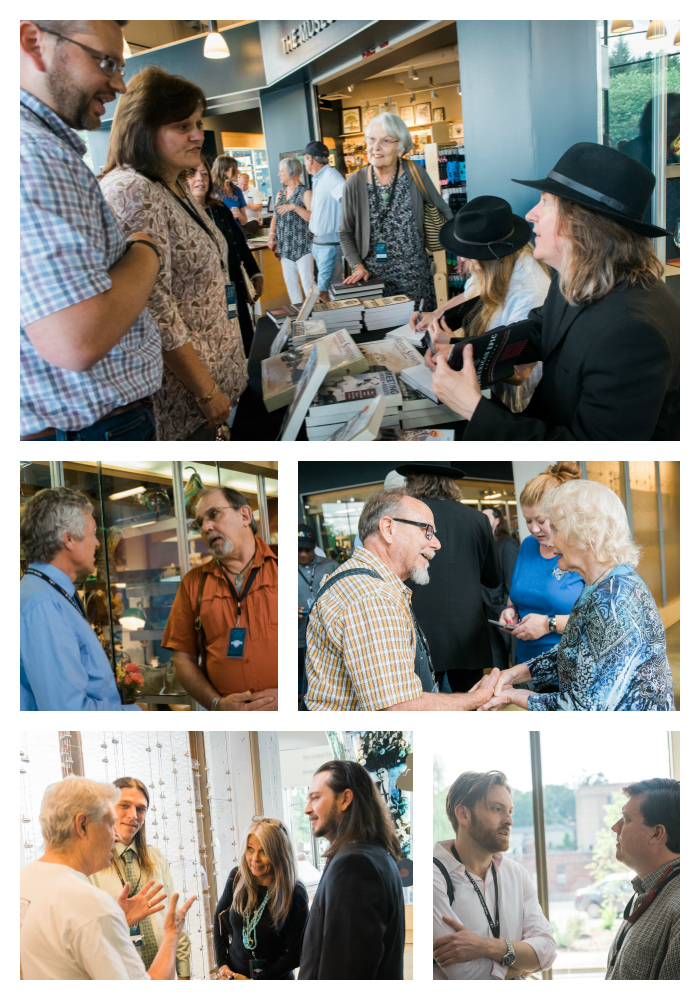
From top, left to right: Karnes family members speaking with Bernard MacMahon and Allison McGourty, with Liz Peer; Ted Olson and Dale Jett; an attendee speaking with Donna Stoneman; playwright Doug Pote speaking with Jimmie Rodgers family Austin Court, Karen Court, and James Cody Court; Ralph Peer III chats with an attendee. © Birthplace of Country Music, photographer: Billie Wheeler
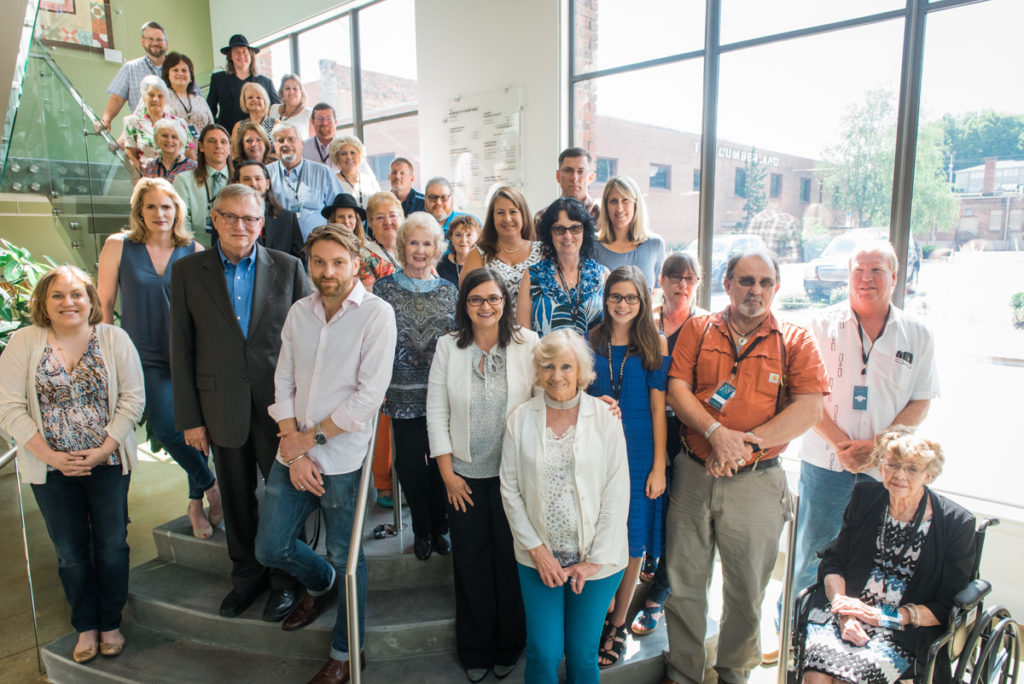
Participants in the symposium. © Birthplace of Country Music, photographer: Billie Wheeler


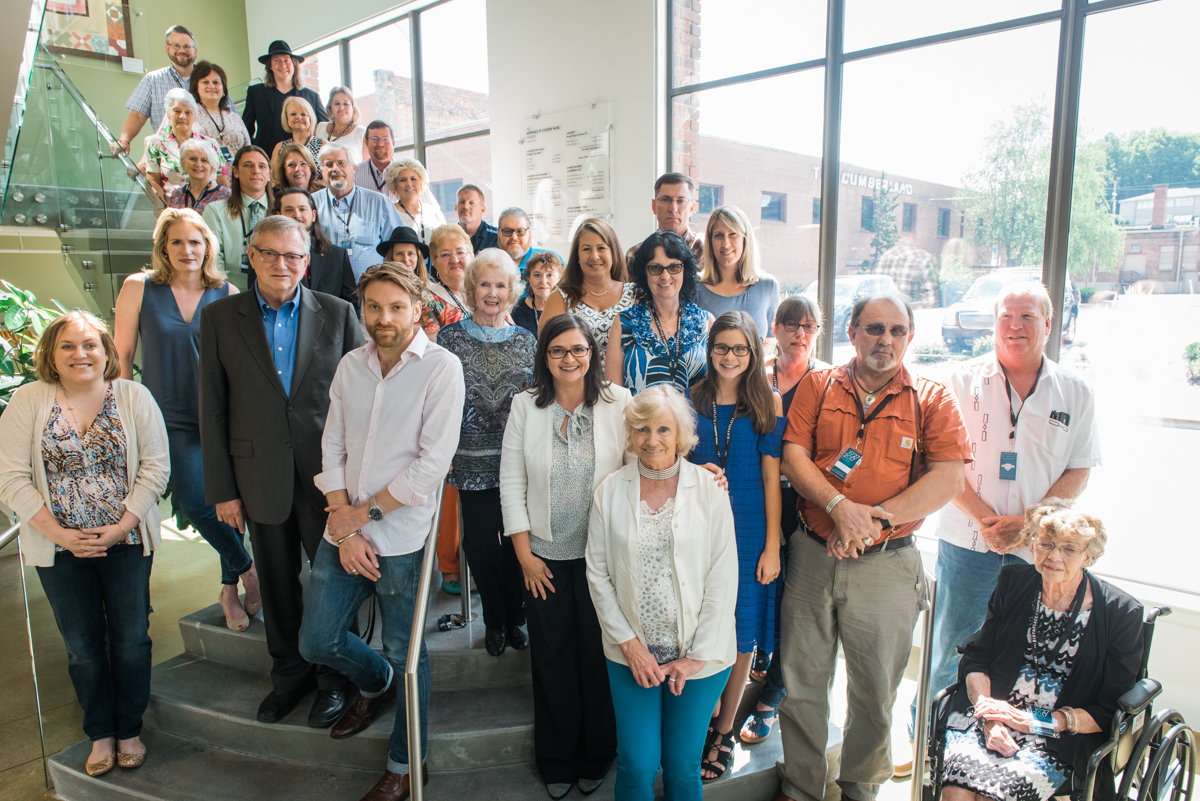
Descendants of 1927 Bristol Sessions artists with the Peer Family and symposium participants. © Birthplace of Country Music, photographer: Billie Wheeler

* Interestingly, Bryson doesn’t mention the 1927 Bristol Sessions in his book, though he does focus some attention on early sound technology including developments in radio. Curator René Rodgers pointed out this omission in correspondence with Bryson, and he graciously acknowledged the need to visit Bristol to learn more. Perhaps he will do so. We’d love to see him here!

Jessica Turner is the Director of the Birthplace of Country Music Museum.