

Instruments Archives - Page 2 of 4 - The Birthplace of Country Music
Listen
Play
Loading station info...

What makes an instrument iconic? The Story of Duane Allman’s 1961

Bob Beatty, Ph.D., is an author, historian, and principle of the Lyndhurst Group.


I’m a lifelong fan of the Allman Brothers Band and Duane Allman. In addition to my publications—Play All Night! Duane Allman and the Journey to Fillmore East (2022) and Long Live the ABB: Conversations from the Crossroads of Southern Music, History, and Culture — I’m also a museum professional. 

One thing I’ve long found fascinating is why certain artifacts instill such reverence. Nowhere is this more true than in music history circles. 

In recognition of National Guitar Day on this February 11th, this is the story of Duane Allman’s 1961 Gibson Les Paul.

Some Background

Guitarist Duane Allman founded the Allman Brothers Band (ABB) in March 1969. Based in Macon, Georgia, the ABB are the first group to emerge from the South in the rock era. From Macon, the band toured relentlessly, spending 300 days a year on the road and building a devoted audience. 

The ABB had a unique lineup that included two drummers—Jaimoe and Butch Trucks—and two lead guitar players—Duane Allman and Dickey Betts. Bassist Berry Oakley and Duane’s brother Gregg Allman (organ/vocals) rounded out the group. 

The band recorded their third album live on the biggest stage in rock. At Fillmore East a one-take album with no overdubs. The record hit gold (500,000 sales) within 3 months. Days after learning the news, Duane Allman was killed in a motorcycle accident in Macon. His bandmates responded by finishing Eat a Peach, which they were working on when Duane died. 

Duane played four main guitars in his Allman Brothers Band tenure. This is the story of one of them. 

The Guitar 

This 1961 Gibson Les Paul (SG)1 is one of the more significant in Allman Brothers history because it is the only guitar that I know of that both Duane and his guitar partner Dickey Betts played on a regular basis. Dickey throughout 1970, Duane in 1971.2
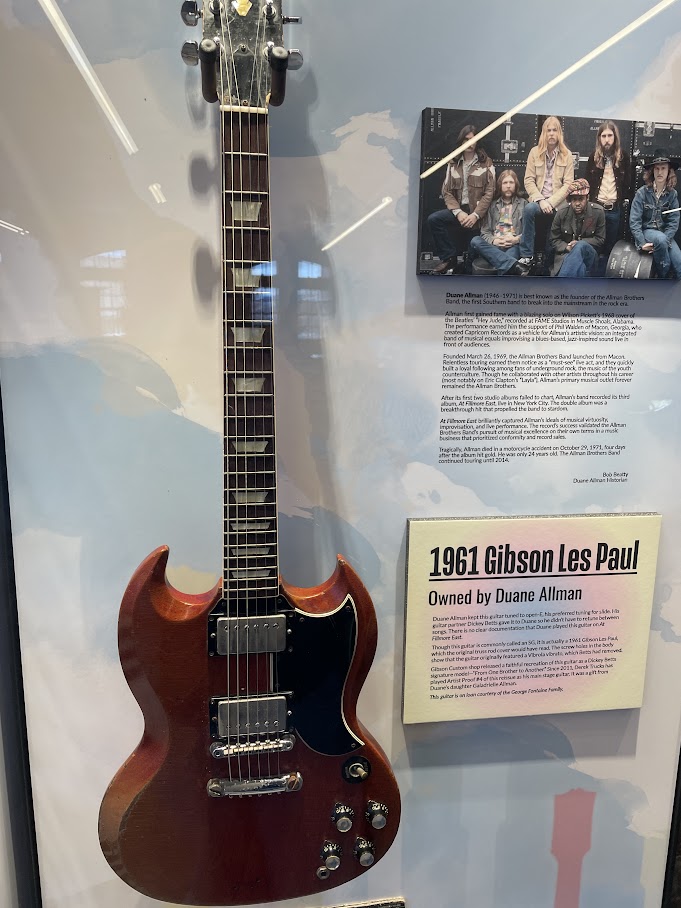
1961 Gibson Les Paul/SG on display at Songbirds Museum in Chattanooga, TN. Courtesy of of Bob Beatty/Long Live the ABB.

Lipham’s Music January/February 1970

Betts bought the guitar in 1970 from the place every road musician in Florida shopped: Lipham’s Music in Gainesville. Just one year earlier, Buster Lipham had advanced the band more than $10,000 in equipment, which they were paying back in weekly installments of several hundred dollars each.3

Duane’s SG was part of a separate transaction altogether, Chuck Emery of the Royal Guardsmen explained. “On a trip to [Lipham’s] in early ’70 a beautiful SG caught my eye. I came to a deal; and the sales guy put the guitar [aside] until my return the next week. The following Monday the sales guy said, ‘Uh, Duane and them came in…played the SG, and uh, well, they bought it.’”4

Dickey Betts and the SG Spring 1970

The SG became Dickey’s main stage guitar throughout 1970. It originally had a sideways Vibrola tremolo which he later swapped out for a stop bar tailpiece (see photos below):
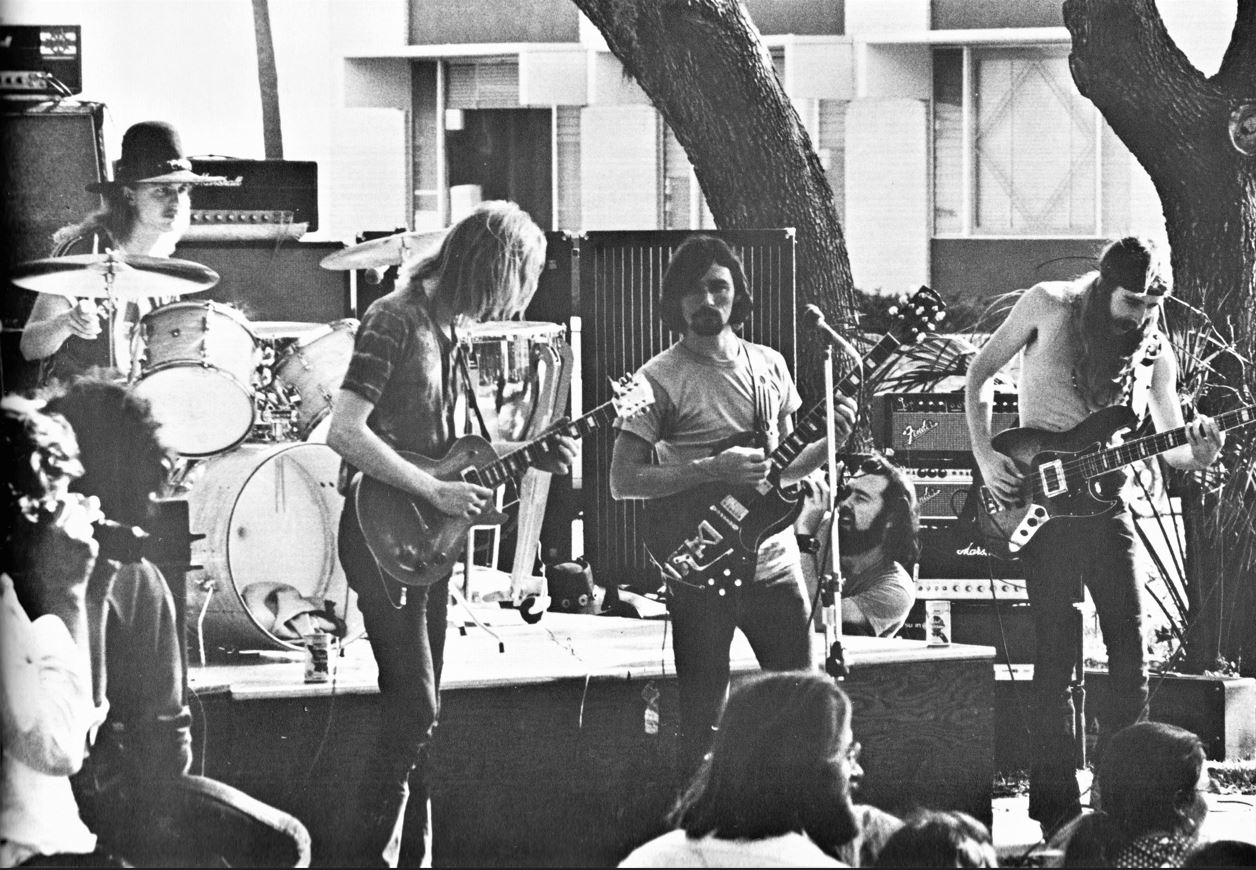
The Allman Brothers Band at Florida Presbyterian (now Eckerd College) St. Petersburg, Florida, April 18, 1970. Photo from Logos, Florida Presbyterian College, 1970, courtesy of the Eckerd College Archives, St. Petersburg, Florida.
Dickey Betts onstage at the Atlanta Pop Festival July 3, 1970. Notice the difference between this photo and the one above. Courtesy of Dennis Eavenson.


The guitar is identifiable by its three “snakebites”—screw holes where the original tailpiece was. 
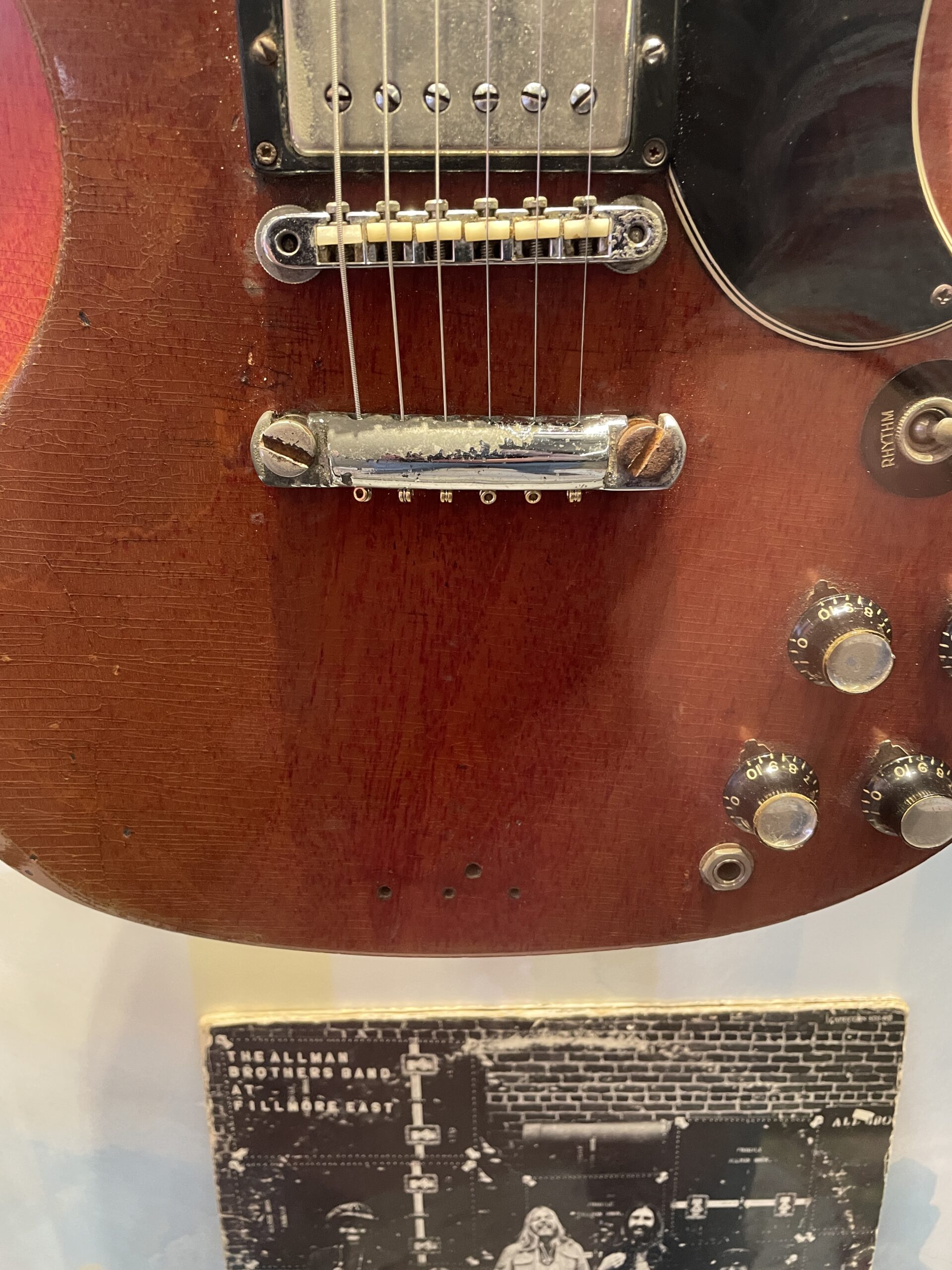
Detail of “snakebites” on Duane Allman’s SG, on display at Songbirds Museum. Courtesy of Bob Beatty/Long Live the ABB

From Dickey to Duane Spring 1971

The guitar ended up in Duane’s hands in 1971. Because he preferred to play slide in open-E tuning, Duane regularly had to retune his guitar. It not only slowed down pacing, it also bored Dickey Betts.5

“When Duane wanted to play slide he would have to retune his one [damn] guitar every time. I got tired of it and said, ‘Here, take this guitar and tune it, and leave it tuned!’” 

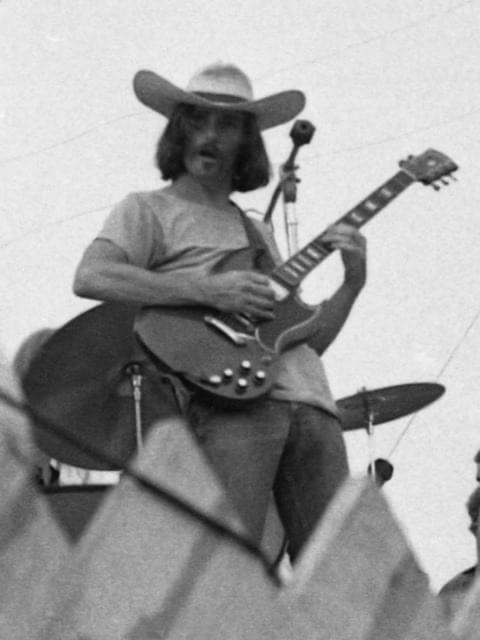
Though it’s unclear whether Duane played the guitar on At Fillmore East, he definitely played in on “One Way Out” from Eat a Peach—recorded the closing night of Fillmore East, June 27, 1971 (photo below)
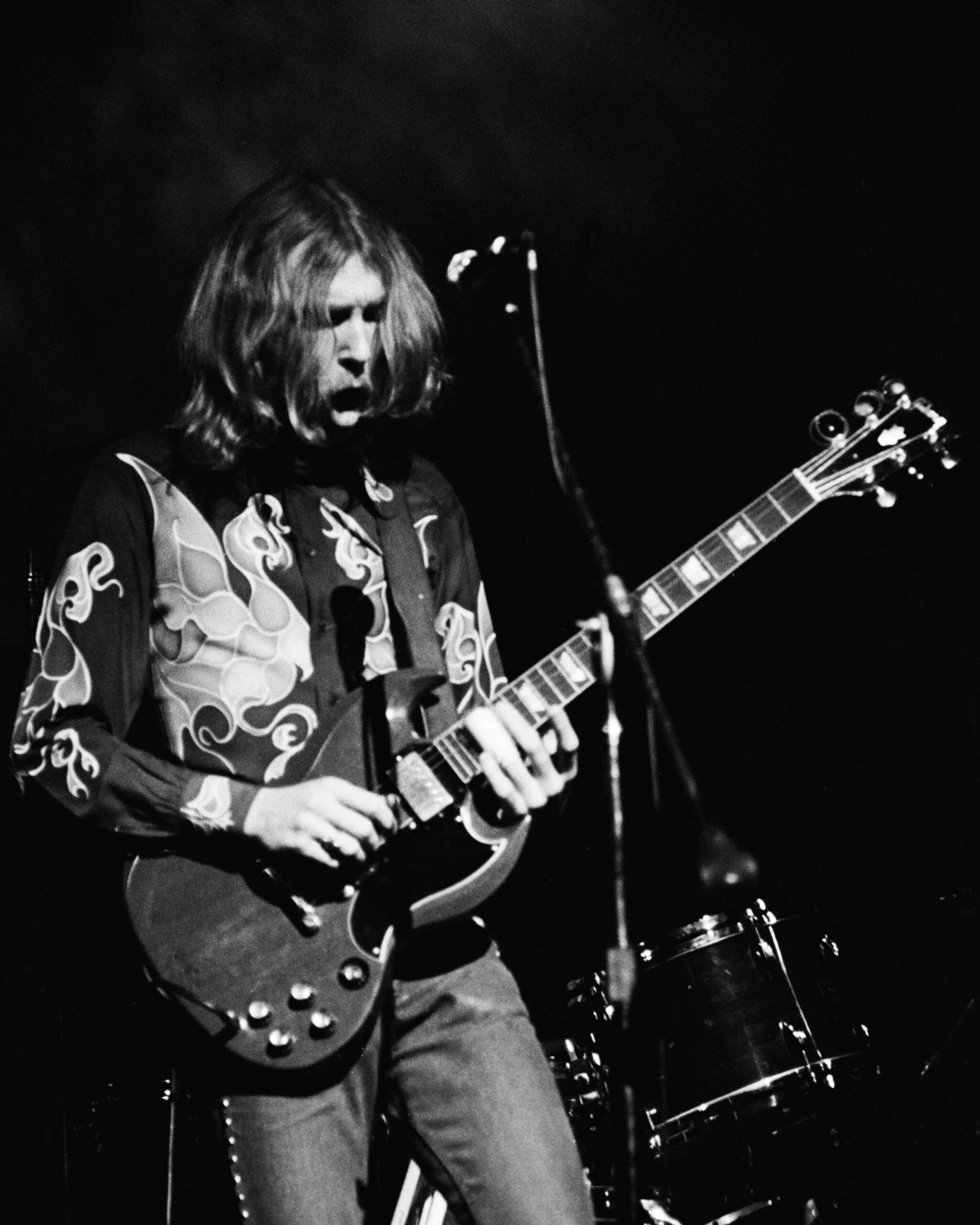
Duane Allman from the Fillmore East stage, June 27, 1971. Image credit, Don Paulson

When Duane died in a motorcycle accident October 29, 1971, the original intention was to bury the guitar with him. This didn’t happen. Gregg played it through 1972 before giving it to Gerry Groom, a protégée of Duane’s. Groom later sold it to Graham Nash. 

Duane’s other Allman Brothers Band Guitars 

The SG is one of four Les Pauls Duane played in his Allman Brothers Band career. Three of them, a 1957 goldtop he used through September 1970, a 1959 cherry burst, and a 195(?)6 tobacco burst. A private collector owns the goldtop and it’s often on display at the Big House Museum in Macon. Duane’s daughter Galadrielle owns the other two, which she’s loaned out for exhibition from time to time, most recently the Bill Graham and the Rock & Roll Revolution.

In 2011, Gibson reissued the guitar, dubbed “From One Brother to Another.” Duane’s daughter gave Artist’s Proof #4 to Derek Trucks, who played in the Allman Brothers Band from 1999-2014. It’s been Derek’s main stage guitar for more than a decade now. 

Duane’s SG Today

The SG stayed out of the public eye for many years. The first I remember it appearing was a 2013 exhibit called Guitars! Roundups to Rockers at the Eiteljorg Museum in Indianapolis. In 2019, Nash made the guitar available for the Metropolitan Museum of Art’s Play It Loud exhibition. He sold the guitar to a private collector who has it on loan to the Songbirds Museum in Chattanooga. Yours truly wrote the label copy. 
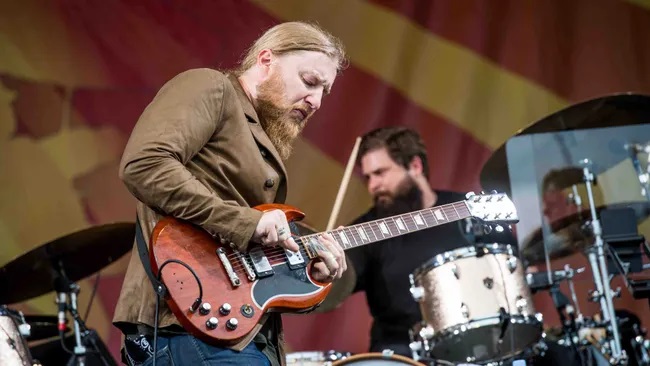
Derek Trucks and his SG. Note the snakebite holes. Image credit Amy Harris.

Footnotes

Though it’s a misnomer to call Duane Allman’s cherry 1961 Gibson Les Paul an SG (that name, short for “Solid Guitar,” arrived in 1963), pretty much everyone calls it an SG. I follow that convention here. 2 Dickey Betts also played the SG in some of the too-rare video footage of the Duane-era Allman Brothers Band, including at Bill Graham’s famed Fillmore East in September 1970. 3 Bob Beatty, Play All Night! Duane Allman and the Journey to Fillmore East (Gainesville: University Press of Florida, 2022), 120. 4 I love Emery’s conclusion, “I was [exploitive] at Duane and them for quite a while, even after I learned about the Allmans.” Ground Guitar, “Duane Allman’s 1961 Gibson SG / Les Paul,” accessed October 31, 2023. 5 Open E is tuned to the E chord on a guitar–EBEG#Be. Standard tuning is EAGBDe. 6 See Ground Guitar, “Duane Allman’s 1961 Gibson SG / Les Paul.”


Bob Beatty is a historian who writes Long Live the ABB: Conversation from the Crossroads of Southern Music, History, and Culture . His latest book, Play All Night! Duane Allman and the Journey to Fillmore East (University Press of Florida 2022), is a musical biography of the Allman Brothers Band. 
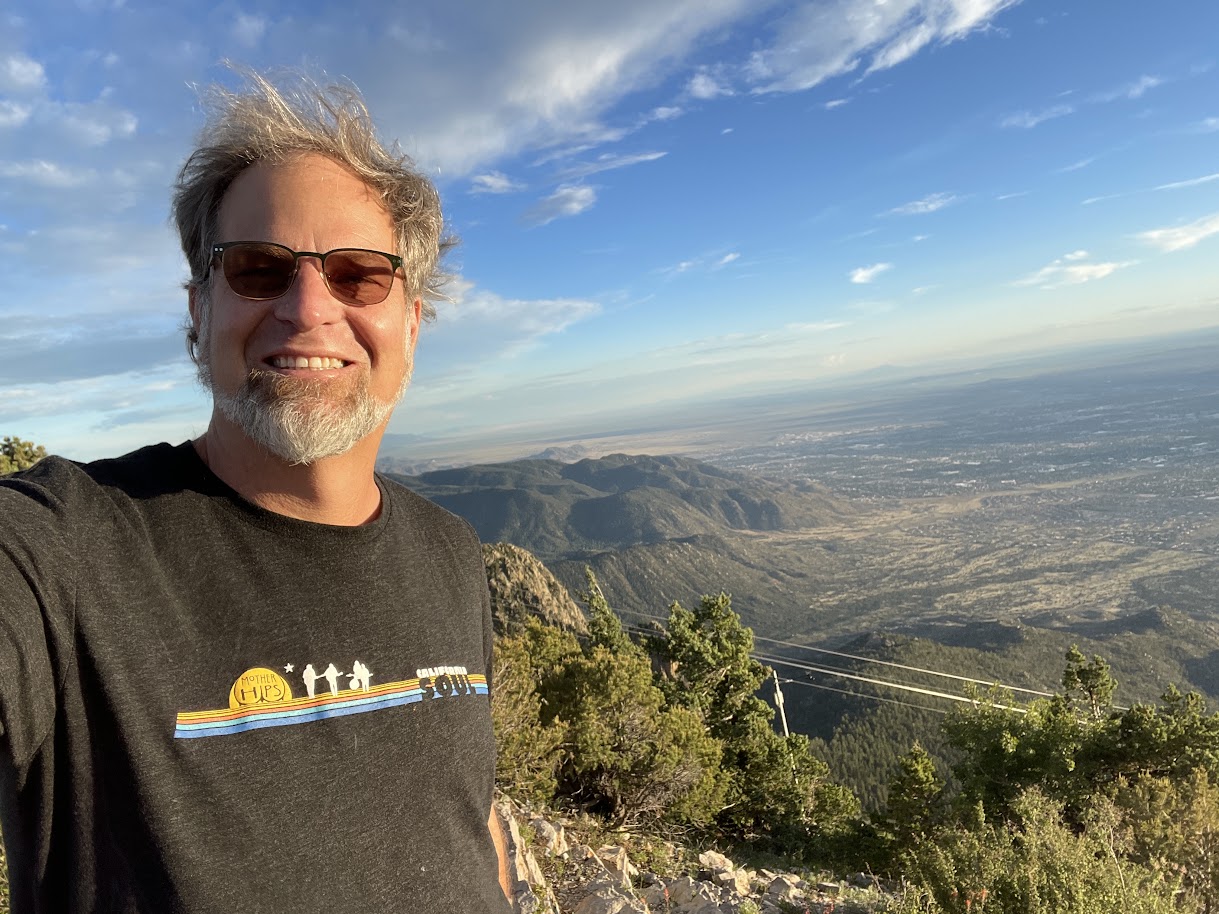
Author Bob Beatty. Image credit Tyler Beatty.

East Tennessee Fiddlers and Their Fiddles

By Julia Underkoffler,  Collection Specialist at the Birthplace of Country Music Museum


Fiddle me this: What’s the difference between a violin and a fiddle? One has strings, and the other has strangs!

East Tennessee is known for its music, and in particular, it was home to several well-known and influential old-time and bluegrass fiddlers. The museum is fortunate to have three fiddles on loan that were owned and played by Charlie Bowman, Edd Vance, and Benny Sims, all of which are currently on special display in our permanent exhibits. Instruments – and other objects – like these help us to tell the stories of the music, people, and cultural heritage that make our region so special.

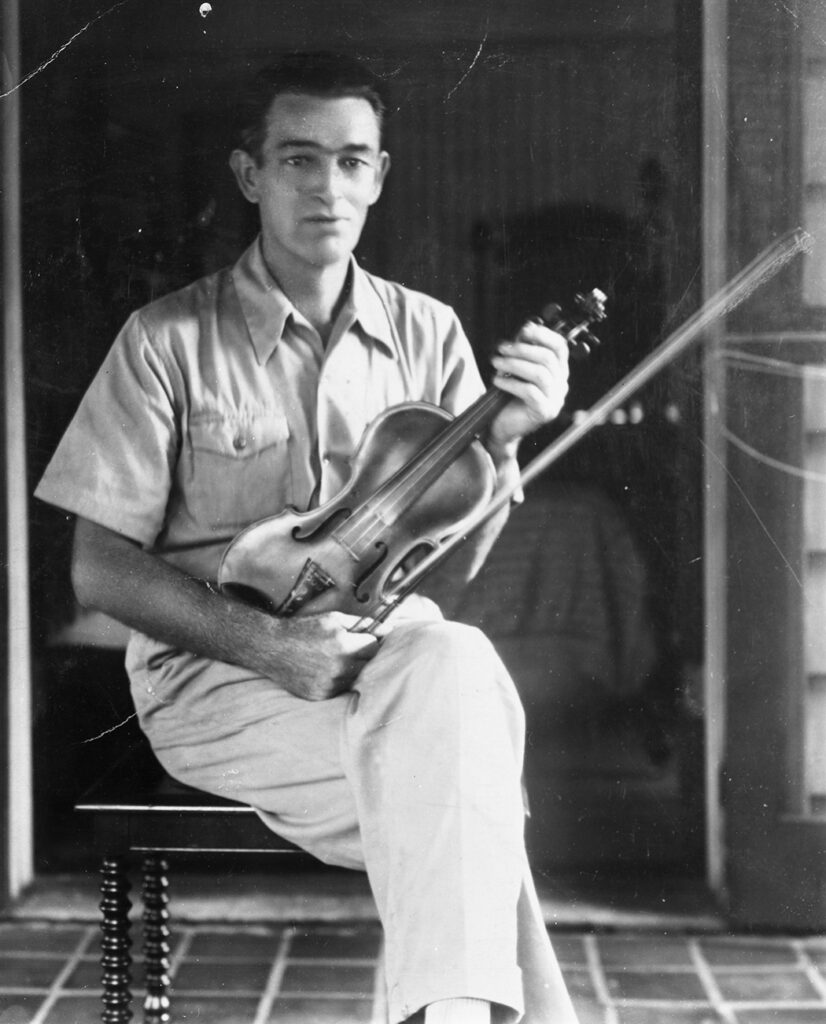
Fiddlin’ Charlie Bowman was born on July 30, 1889 in Gray Station, Tennessee. Bowman started playing music from a young age – he started recording as early as 1908 on a neighbor’s Edison Cylinder phonograph, and by the early 1920s, he was regularly being hired to play at square dances and political rallies. When Bowman started to enter fiddling contests around the area, other local fiddlers got quite mad because Bowman just kept on winning! 

A black and white image of Charlie Bowman. He is seated on a small bench and holding a fiddle in his lap. He is wearing a collared shirt. The image is old and not completely clear, his face is slightly fuzzy.
Charlie Bowman, from the Lewis Deneumoustier Collection, Archives of Appalachia, East Tennessee State University


In 1928, when the Columbia record label came to Johnson City, Tennessee, to do a location recording session, Bowman and several other musicians, including his daughters, recorded six songs. He also traveled the East Coast vaudeville circuit with his daughters and his band – in 1931 alone, they played 249 days of the year. Bowman was later hired to perform by B. Carroll Reece, who served as representative for the first district of Tennessee. They stayed lifelong friends, and Bowman even wrote “Reece Rag” for Congressman Reece. Alongside his solo career, Bowman was also a member of the Hill Billies and the Blue Ridge Ramblers. 

The museum has two Bowman family instruments on loan: Charlie’s fiddle and his daughter Jenny’s accordion, which is currently on display in the museum’s special exhibit, I’ve Endured Women in Old-Time Music


Edd Vance more commonly known as Red – was born on November 19, 1923 in Sullivan County, Tennessee. Red became recognized in East Tennessee for his old-time fiddling skill, and he performed at The Down Home, a well-known musical hub in Johnson City, Tennessee. 

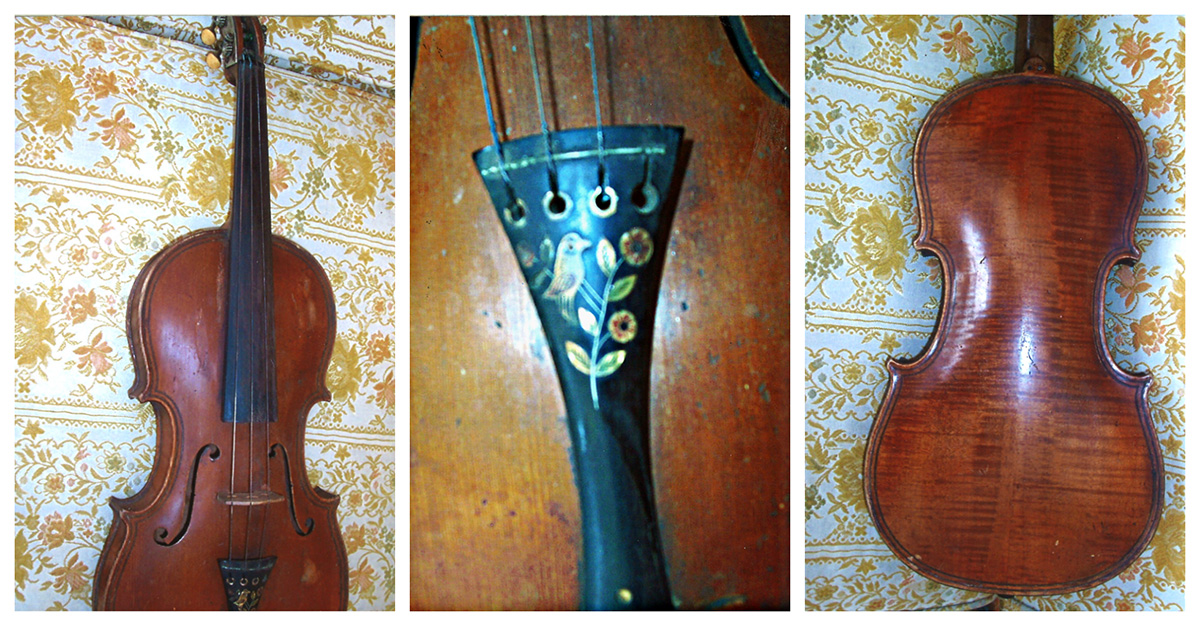
Red followed in the footsteps of his father, Dudley Vance, who was born on March 12, 1880 in Bluff City, Tennessee. During the second week of May 1925, Dudley played at the first Mountain City Fiddlers’ Convention, held at a local high school. This event featured famous fiddlers Charlie Bowman, Fiddlin’ John Carson, Fiddlin’ Cowan Powers, Charlie Powers, and G. B. Grayson. Dudley famously beat everyone with his rendition of “Twinkle Twinkle Little Star.” Two years later, Dudley and his brother traveled to Winston-Salem, North Carolina, to record three records for Okeh Records, under the band name Vance’s Tennessee Breakdowners. These were the last professional recordings done by Dudley. The museum has Edd Vance’s fiddle and several other items related to Dudley and Edd Vance on loan from their descendants. 

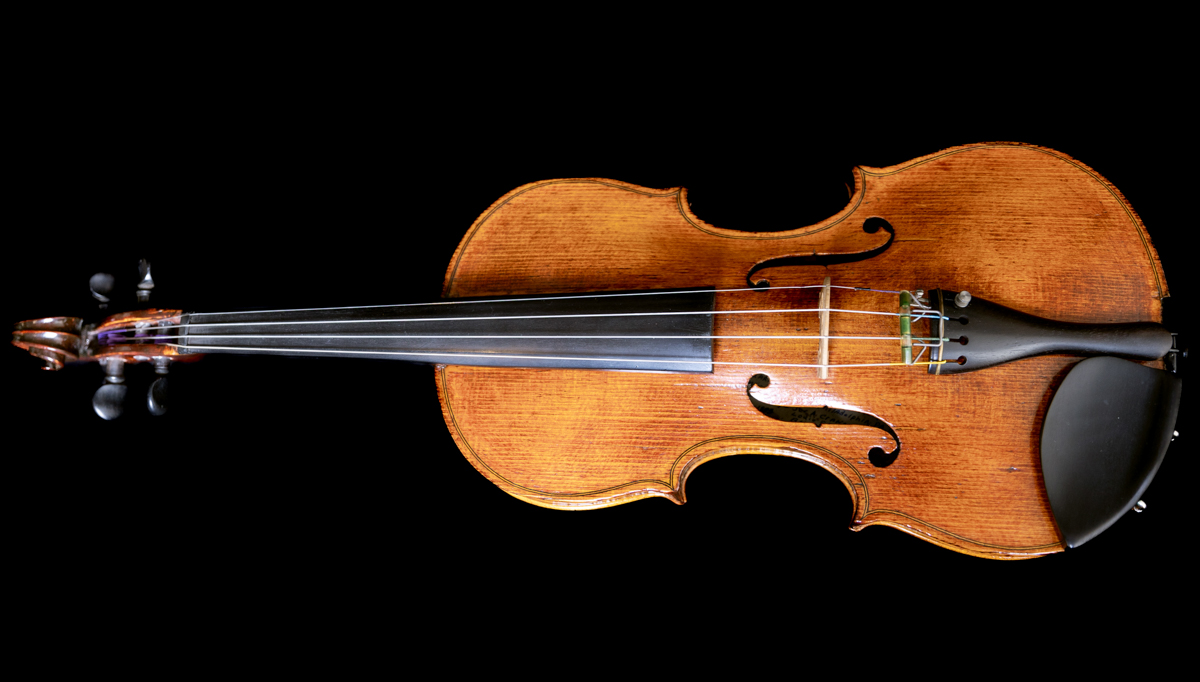
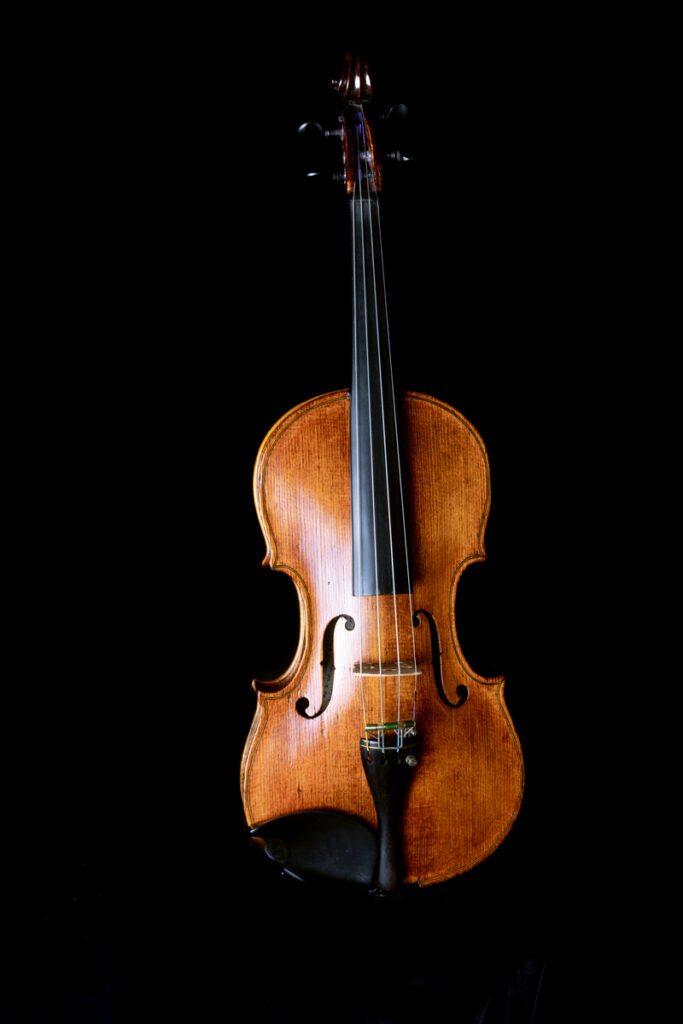
Edd “Red” Vance’s fiddle shows the wear of a lifetime of skilled fiddling. On loan from the descendants of Edd and Dudley Vance. © Birthplace of Country Music; photographer: Ashli Linkous

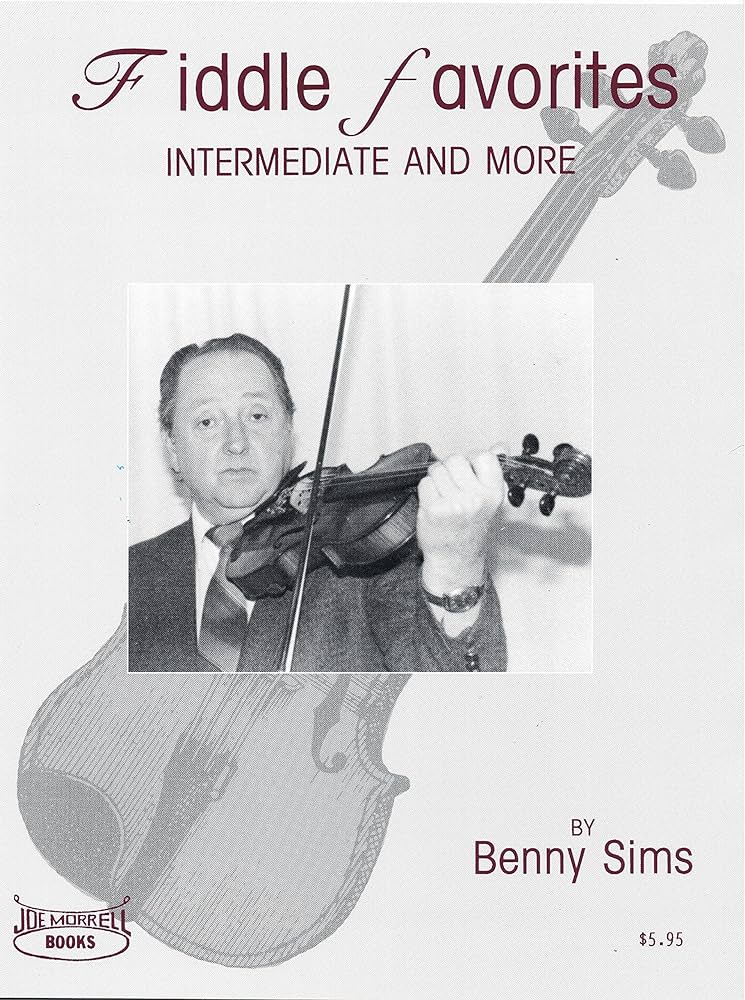
Benny Sims was born on August 4, 1924 in Sevier County, Tennessee. Sims was drafted into the U.S. Army Air Corps and was stationed in Foggia, Italy during World War II. While in Italy, Sims played with the U.S. Air Force Orchestra. He played fiddle with the Morris Brothers, but he is best known for his time performing with Lester Flatt and Earl Scruggs. Sims recorded with Flatt & Scruggs over 25 times as part of the Bluegrass Boys, including on their famous “Foggy Mountain Breakdown.”  

The cover of a music book, “Fiddle Favorite” by Benny Sims, pictured.

After Sims left Flatt & Scruggs, he went to work for WNOX in Knoxville and WJHL-TV in Johnson City until he retired in the early 1960s. When he retired from the music industry he worked at Life & Casualty Insurance Company and gave private fiddle lessons. Just months before Sims’ death in 1995, the Birthplace of Country Music Alliance held a tribute to him at the Paramount Center for the Arts. Today, East Tennessee State University awards the Benny Sims Scholarship to one Bluegrass, Old-Time, and Roots Music Student each year.

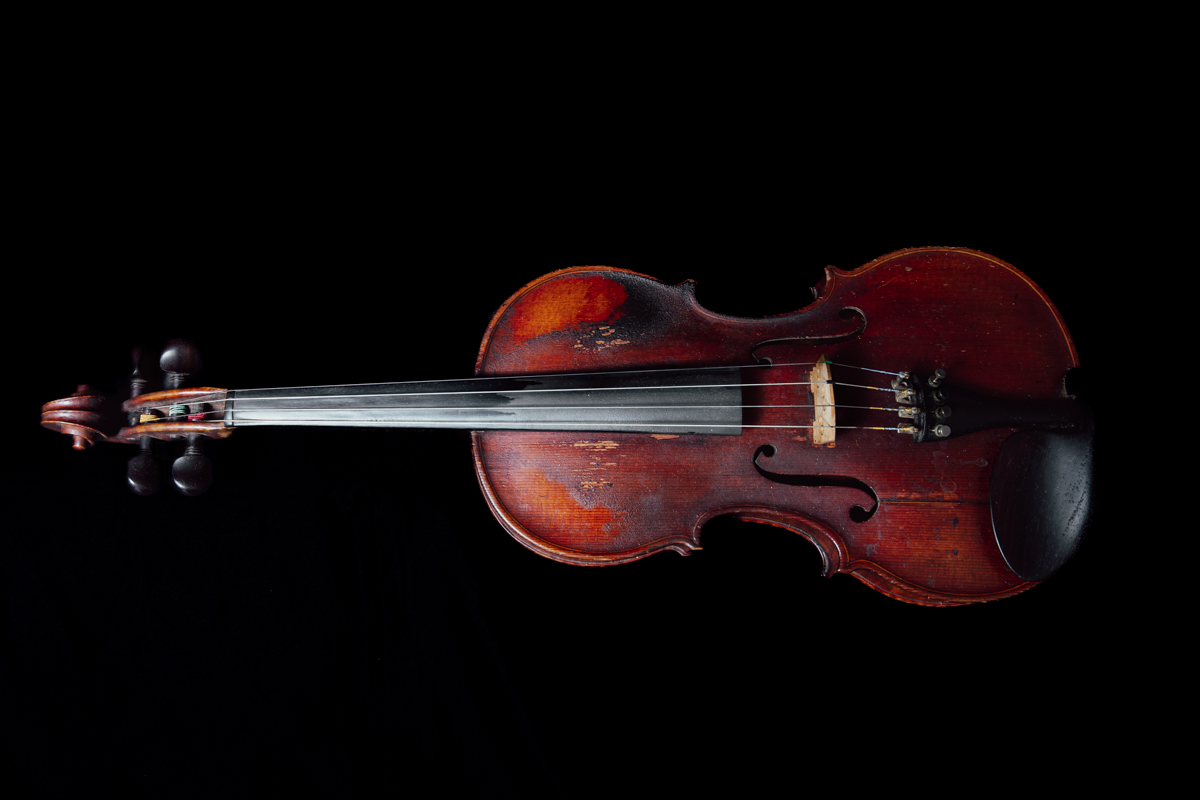
This fiddle is on loan from Benny Sims’ family and is believed to be the one that he played on the “Foggy Mountain Breakdown” recording. On loan from the descendants of Benny Sims; © Birthplace of Country Music Museum; photographer: Ashli Linkous

Instrumental History: Inspired by Jimmie Rodgers Martin 000-45 Guitar

Did you know that last year the Birthplace of Country Music Museum took in on loan one of the most important guitars in American music history – Jimmie Rodgers’ 1928 000-45 Martin? Yep, it’s true, and it’s currently on display here at the museum! 

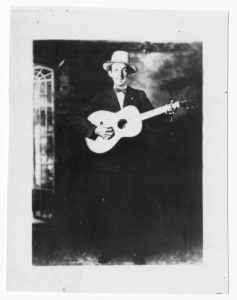
Jimmie Rodgers: A white man in a dark suit with a bow tie. He wears a light-colored cowboy-style hat and holds a guitar in his hands. The background is dark though you can see a windowed-doorway to the left-hand side of the image.

Jimmie Rodgers. From the John Edwards Memorial Foundation Records, #20001, Southern Folklife Collection, Wilson Library, University of North Carolina at Chapel Hill

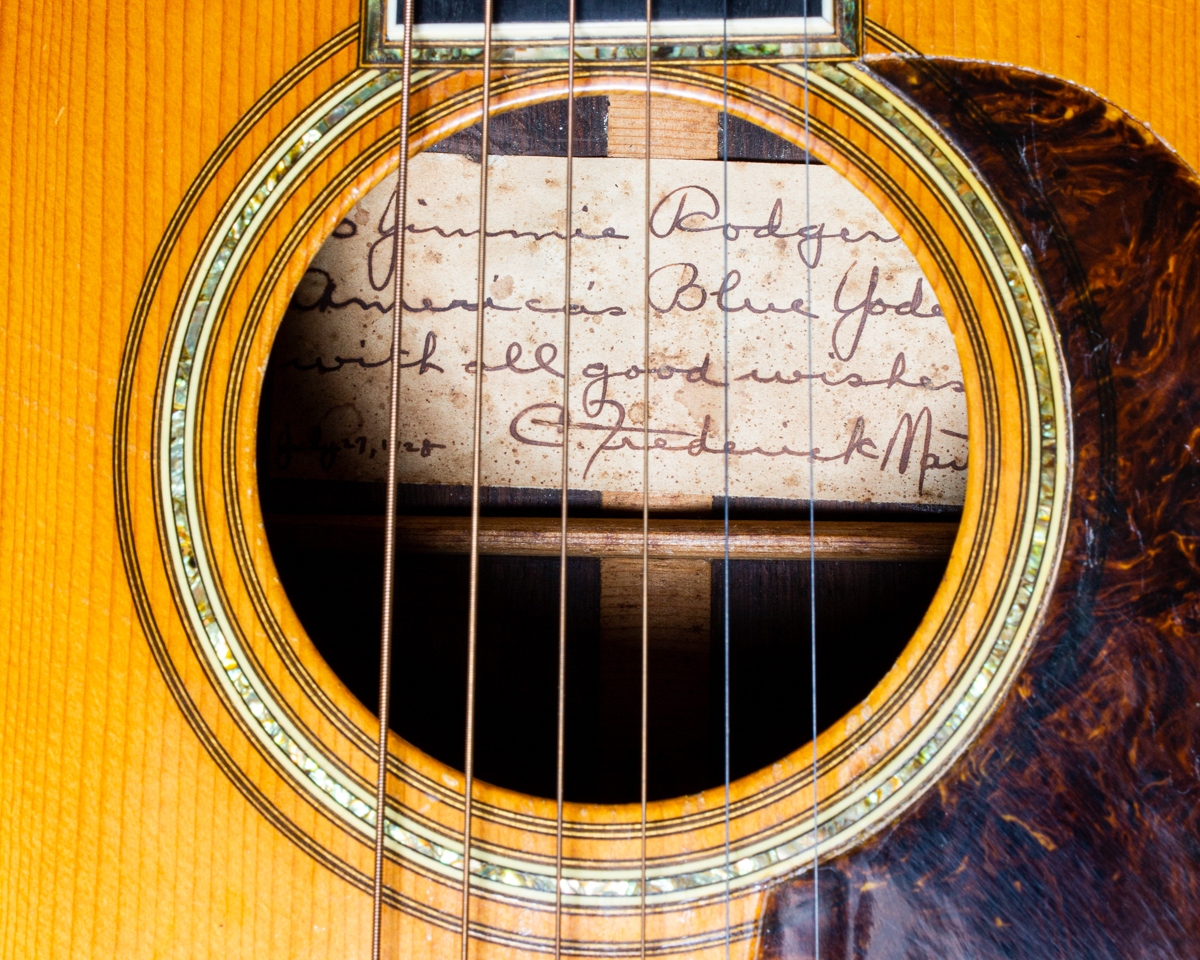
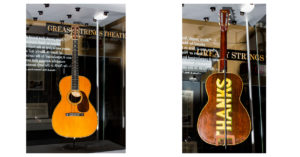
Over the years this guitar has become one of the most iconic symbols for country music, boasting a mother of pearl neck inlay touting Jimmie Rodgers’ name, an iconic hand-painted “THANKS” on the back of the guitar, the words “Blue Yodel” in inlay on the headstock, and a label on the interior with a message signed by C. F. Martin himself. Of course, the guitar was made famous by not only Rodgers – recognized as “the Father of Country Music” and also known as “the Singing Brakeman” and “America’s Blue Yodeler” – but also by honky tonk great Ernest Tubb, who was loaned the famous guitar by Jimmie’s widow Carrie Rodgers. Ernest went on to play the guitar for nearly 40 years, helping to solidify its importance in the history of country music.

Left image: Guitar seen from the front in a museum exhibit case. You can see the inlay "Jimmie Rodgers" and "Blue Yodel" on the neck and headstock. Right image: Guitar seen from the back in museum exhibit case. "Thanks" is painted on the back of the guitar's body.

Jimmie Rodgers’ 1928 Martin 000-45 on display at the Birthplace of Country Music Museum. © Birthplace of Country Music; photographer: Ashli Linkous

To celebrate this iconic guitar in its temporary home here at the Birthplace of Country Music Museum, Clint Holley – Radio Bristol DJ and host of “Pressing Matters” – has been working with museum and radio staff to create and share a three-episode program featuring perspectives from scholars and musicians from across the country. Titled “Instrumental History: Thoughts & Anecdotes on Jimmie Rodgers Martin 000-45 ‘Blue Yodel’ Guitar,” the program will air on Fridays at 6:00 pm ET on Radio Bristol for the next six weeks launching Friday, February 3 – each episode will be aired two week in a row. And so, in other words, tune in tonight for the first one! 

To get us warmed up and ready for the series, we asked some of our knowledgeable Radio Bristol DJs to tell us about their favorite Jimmie Rodger’s songs, whether sung by him or a cover by another artist. Our DJs came through with some great, if not surprising, choices. 

Crystal Gayle, “Miss the Mississippi and You”

“A thoroughly modern take on this classic song. Although NOT written by Jimmie, he made it his own and was the first to release it in 1932. The song has been recorded over 40 times, and Crystal’s version is the first I could find with a female singer as the main character. Produced with contemporary sounds in the late 1970s, this version shows how flexible and enduring the song truly is.”

~ Clint Holley, Pressing Matters

Jorma Kaukonen, “Prohibition Blues”

“I want to nominate Jorma Kaukonen’s version of Jimmie’s never-recovered master of “Prohibition Blues” from his album Blue Country Heart as my favorite…both for its rarity and its timely nature. The fact that he had the writer, Clayton McMichen, play on his recording of it is even more interesting and shows how much respect Rodgers had for his fellow musicians. As a collector’s aside, can you imagine finding that master sitting in a dusty storeroom somewhere today? Talk about your Holy Grail! It would probably be worth more than the 000-45 that we are so lucky to get to display!

Jorma’s version is, of course, outstanding as well with a superb lineup, and he does it justice with humor and flawless musicianship. I will admit to prejudice here, because Jorma is a good friend whose music is a large part of my repertoire…but his choice of that song is a rare treat for us all.”

~ Marshall Ballew, Off the Beaten Track

Jimmie Rodgers, “Waiting for a Train”

“Two of Jimmie Rodgers’ tunes that I have always connected with are “Waiting for a Train” and “Miss the Mississippi and You.” Jimmie wrote his version of  “Waiting for a Train” based on an English tune from the 19th century. He recorded it in 1929 for Ralph Peer’s Victor label on the back side of “Blue Yodel #4.” I have always liked the horns at the beginning; they resonate with my traditional jazz roots. “Miss the Mississippi and You was recorded later and has that feeling, to me, that Jimmie knew his time was increasingly short. I think Jimmie was able to translate a number of types of music into his own unique style, which is why he was so popular. I hear the music of Western styles in his yodel and jazz in his singing, coupled with the Delta blues and Appalachian sounds. It is a compelling combination. He also recorded long enough that his later songs were technologically better recorded than his early stuff. He was a true artist who died way too young.”

~ Bill Smith – Crooked Road Radio Hour

Jimmie Rodgers, “Last Blue Yodel”  

“A part of Jimmie Rodgers’ final group of recordings, performed during the sessions that took place in New York City just 48 hours before his untimely death, “Last Blue Yodel” is a poignant soliloquy relinquishing personal thoughts on heartbreak. Following a 12-bar-blues format paired with Jimmie’s trademark yodeling, which Rodgers employed on all of his series of 13 Blue Yodels, this last one has become my favorite for its directness and intensity. The tag of each verse admits “The women make a fool out of me.” Rodgers known for his intimate solo guitar style is also one of the first singers to display confessional songwriting, which has deeply shaped country music as a genre, and my own personal approach to creating songs.”

~ Ella Patrick, Folk Yeah!

Leon Redbone, “T.B. Blues”

“My personal favorite cover version of a Jimmie Rodgers song is Leon Redbone’s rendition of “T.B. Blues.” The song itself always stood out to me because of the unique perspective of writing so specifically about one’s own mortality. It was covered by several bluesmen that I took to when I first started researching the blues, but Redbone’s version has the perfect amount of his own style while still paying homage to the original.”

~ Scotty Almany, Scotty’s Tune Up


Kris Truelsen is the Radio Bristol Program Director.

Instrument Interview: Blind Alfred Reed’s Fiddle

“Instrument Interview” posts are a chance to sit down with the instruments of traditional, country, bluegrass, and roots music – from different types of instruments to specific ones related to artists, luthiers, and songwriters – and learn more about them. Several questions are posed, and the instruments answer! Today we talk to Blind Alfred Reed’s fiddle:

First, can you tell us about Blind Alfred Reed?

Sure, I love to talk about him! Blind Alfred Reed was born in Floyd, Virginia, on June 15, 1880, though he spent most of his life in West Virginia, especially around the Princeton area. He was born blind, possibly using a slate and stylus to help him with writing, and he learned how to play the fiddle at a young age.

He was well-known in his area as a talented fiddler and songwriter, and his family remembers him as a multi-instrumentalist who might have also played banjo, guitar, mandolin, and even the organ! Alfred played music anywhere he could – churches, parties, night clubs, political rallies, and dances, and he recorded twice with Victor Talking Machine Company. He gave music lessons and wrote his own compositions, often selling broadsides of his songs.

As with many people during the 1920s and 1930s, Alfred relied on his garden and subsistence farming to help support his family. He also worked as a Methodist lay preacher – he didn’t have his own church, and often preached on street corners instead. Alfred passed away on January 17, 1956.

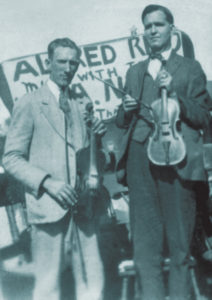
Black and white photograph of two musicians standing in front of a handwritten performance advertiseman placard. Both are white mean and wearing suits and holding fiddles. Blind Alfred Reed is to the right -- he is tall with dark hair. The man to the right is shorter with lighter colored hair.
Blind Alfred Reed standing with another fiddler in front of a handmade advertising placard for a performance. Courtesy of Goldenseal Magazine

How did Blind Alfred Reed’s blindness affect his daily life and his musicianship?

Alfred and his sister were both blind from birth, and because they had grown up blind, they had a whole host of different tricks to help them negotiate daily life – from loudly ticking clocks, a wire leading from the house’s door to the outhouse, and memorizing the number of steps it took from different places in the house. Alfred also learned New York Point and American Braille, both tactile reading and writing systems for the blind.

As for music, Alfred’s blindness didn’t hamper his playing and performing. In fact, playing me brought him a lot of pleasure each and every day! He often busked on the streets of Princeton, walking three miles between our home and the city. However, a 1937 statute in the area where he lived banned blind street musicians, and this took away some of our musical money-making opportunities.

Where did Blind Alfred Reed get you?

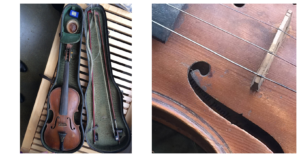
I have a label inside of me that notes the name Giovanni Maggini and the date 1695, and for a while, Alfred’s family though that I was made by an Italian luthier way back in the past. However, Giovanni Maggini actually died in 1630 so that turned out to not be correct!

A New York violin dealer and restorer took a look at me and determined that I am a commercial instrument, possible advertised and sold through a mail-order company like Sears Roebuck or even from a local music store. Commercial instruments were often made “in the style” of famous instrument makers and so will bear a label inside to reflect that. Alfred owned me by around 1905—1910 so I am probably not much older than that.

Left: A photograph of Blind Alfred Reed's fiddle in its case with the bow beside it. Right: A close-up of the F-hole of the fiddle showing the label with the name Giovanni Maggini on it.
Blind Alfred Reed’s fiddle, including a close-up of the F-hole with the Giovanni Maggini label inside. © Birthplace of Country Music

 Were you part of the 1927 Bristol Sessions?

I certainly was! Ralph Peer personally invited Alfred and me to record at the 1927 Bristol Sessions, and Alfred’s son Arville brought us down from West Virginia to do so. Apparently Ernest “Pop” Stoneman told Mr. Peer about us and the regional popularity of “The Wreck of the Virginian,” a song Alfred wrote about a train wreck that occurred in May 1927. This song was one of the biggest sellers from the 1927 Bristol Sessions.

Besides his train wreck song, Alfred recorded three others at the 1927 Bristol Sessions – “I Mean to Live for Jesus,” “You Must Unload,” and “Walking in the Way with Jesus.” Soon after, he recorded several more songs for Peer and Victor in 1928 and 1929 for a total of 21 sides

In 2016, I traveled to Bristol for the first time since the 1927 Bristol Sessions to celebrate the publication of Blind Alfred Reed: Appalachian Visionary, a book and CD set.

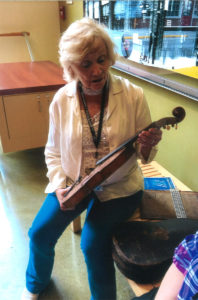
An older white woman is sitting on a wooden bench in a museum space. She has short blond/white hair, and she is wearing a white long-sleeved top over a light-colored tee and dark blue pants. She is holding a fiddle in two hands.
Ernest Stoneman’s daughter Roni got the chance to hold Blind Alfred Reed’s fiddle at the 90th anniversary of the 1927 Bristol Sessions in 2017. Image courtesy of Denny Reed and Jane Thompson

Where else were you played?

As I noted above, a lot of our music-making together was at local events and through street busking. Mr. Peer did invite us – along with Alfred’s son Arville – to record several more songs in 1929 at the official Victor studios up in Camden, New Jersey and New York City. Sadly, after that recording session in December 1929, we didn’t record again, though Alfred kept playing music locally.

Looking back, Alfred probably would’ve been a more popular singer if the Great Depression hadn’t hit – not only did this affect the commercial viability of the music recording industry at this time, but Arville also went off to World War II and so Alfred didn’t really have the opportunity to travel to sing.

However, Alfred has been recognized for his contributions to music since his death. For instance, he was inducted into the West Virginia Music Hall of Fame in 2007.

Did Blind Alfred Reed have a favorite song he played on you?

Alfred didn’t necessarily have a favorite fiddle tune, but he sure loved to play me and he loved writing his own songs. Everything he wrote about was real, based in life’s trials and tribulations, its moments of happiness and sad times. He’s get his ideas from a lot of different sources – through the newspaper stories his wife read to him, by listening to the radio, family and friends telling him the news and local stories, and by reading his Braille Bible.

Alfred has a lot of songs that are recognized as important or particularly interesting songs, and he certainly used music to say something. For instance, his song “How Can a Poor Man Stand Such Times and Live?” outlines the challenges of those living in poverty and thus was especially appropriate to the hard times of the Great Depression. This song was inducted into the Grammy Hall of Fame in 2020. Several of Alfred’s songs were aimed at social ills and other issues he saw as problematic in the 1920s – such as “Money Cravin’ Folks,” “The Prayer of the Drunkard’s Little Girl,” and “Explosion in the Fairmount Mines,” – and because of this socio-political commentary, Alfred is considered one of the early protest singers of the 20th century. However, he also injected some humor into his musical observations – his song “Why Do You Bob Your Hair, Girls?” made a to-do of women’s short hair styles in the 1920s, telling them to ask Jesus for forgiveness!

Despite his recognition as a skilled fiddler and talented songwriter though, Alfred often got his greatest pleasure later in life playing music for his grandkids and hearing them dance around and enjoy his music.

What are you doing now?

Alfred’s family values me and my connection to Alfred and his place in the history of early commercial country music. And so I still live with his grandson, another great musician!

Finally, what’s the difference between a violin and a fiddle?

Oh, this is a good one! The difference between a violin and a fiddle is that one of them has strings and the other one has strangs!

* Dr. Rene Rodgers is the Head Curator of the Museum. Special thanks to Denny Reed and Jane Thompson for their time and stories to help make this “Instrument Interview” possible!