History Archives - Page 23 of 25 - The Birthplace of Country Music
Listen
Play
Loading station info...

Keeping Alive the Old-Time Way, One Record at a Time

By Ivy Sheppard, August 12, 2017

I come by my love of old-time music and records naturally. The earliest sounds I remember are listening to my grandfather’s scratchy records on a console record player in our old log house. Hank Williams Sr. singing the “Lonesome Whistle,” Jimmie Rodgers, fiddle tunes, and anything by Rockingham County native Charlie Poole was the soundtrack of my childhood. I remember the first time I heard some sort of modern music and I asked my mother what it was, and she said, “Oh, that’s city music. We don’t listen to that.”
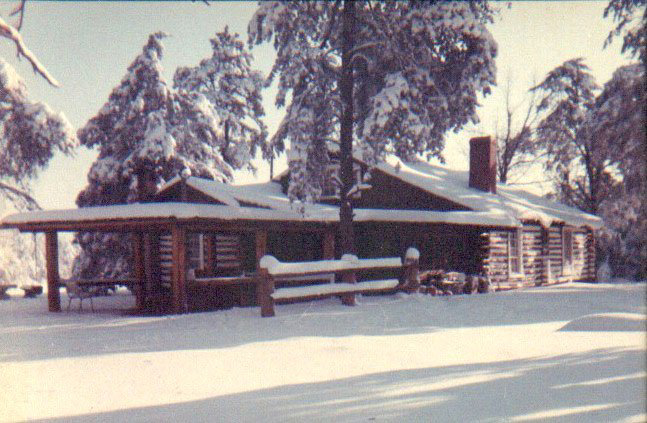
The old log house where I grew up, filled with memories of good music and old records. Photograph courtesy of Ivy Sheppard

Today is National Vinyl Record Day, and in honor of that as a collector, I thought I’d write a post about shellac 78rpm records, the grandaddy of modern vinyl records. 78rpm records really came into vogue in the early 1920s and were the industry standard until the introduction of 33 1/3rpm and 45rpm in 1948 and 1949, respectively. Records are time capsules capturing sound from a particular moment that would’ve otherwise forever been lost. We can get some little notion of what 1931 was like from the music and voices magically preserved on records. There can’t possibly have been a greater invention in the history of the world.

In the early days of recording there weren’t high-tech electronic record players to reproduce sound. The recordings were made totally live, cut direct to disc, and playback was all acoustical and mechanical. Around 1925 recording techniques advanced significantly with the arrival of the Western Electric system. Sadly phonograph technology did not move forward so quickly. Phonographs had a crank or wind up to power them, then a small steel nail carried the sounds in the grooves to a speaker where the levels were controlled by opening or shutting doors. The records had to be made of a sufficiently durable material to withstand the weight of the tonearm and a nail digging into the grooves. Fortunately for us, playback technology has drastically improved and enough records survived or escaped this torture so that folks like me can collect them and share them with the world on radio.

Check out this demo of an old record playing on a Victrola phonograph. Please note: No records were hurt in the production of this video. I used a cracked record.

Most people who know me would probably say I’m an obsessive record collector, but that isn’t entirely correct. Of course, I am. I have a few thousand 78s, and as many LPs and 45s. But more accurately, I’m a music collector. I’m a Carter Family nut, an old-time musician, and a radio show producer for several stations including WBCM-Radio Bristol, Bluegrass Country, and WPAQ.

Preserving old sounds and sharing them with new listeners is what I love most in the world. I used to want nothing more than to play music. It was my heart’s desire, and I spent the better part of 20 years of my life traveling up and down the roads playing honest old-time music, first with the Roan Mountain Hilltoppers, and then with my own band, the South Carolina Broadcasters.

These days I get just as much enjoyment out of listening to the sounds of a bygone era. As much as we try, that music can never be recreated by folks like me. We will never know the world, the trials and struggles of those great early country performers whose voices go straight to our souls and were thankfully captured on the grooves of shellac records. I feel extremely fortunate to be able to share this music that means everything to me on stations such as Radio Bristol.
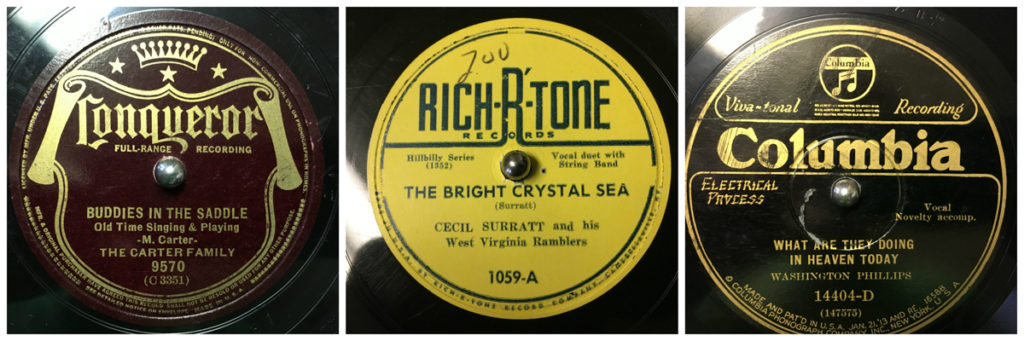
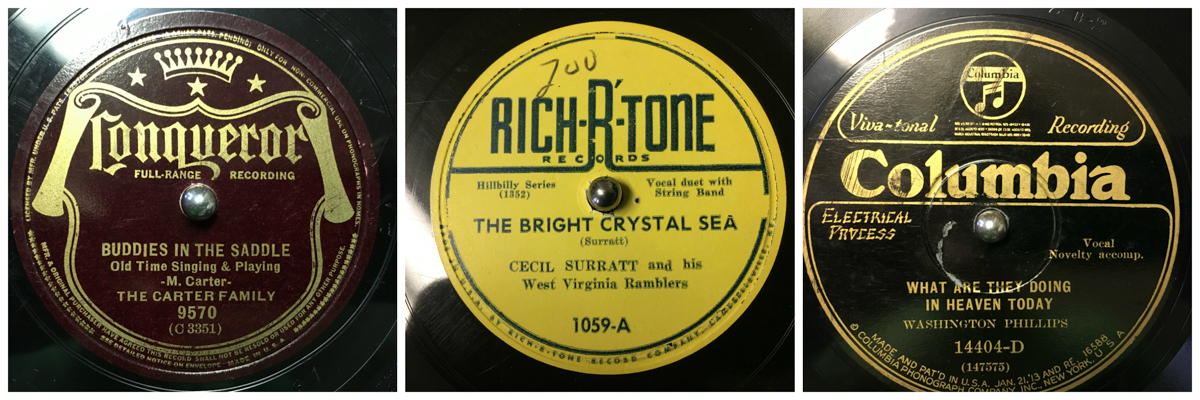
A rare Carter Family record released only on the Conqueror label, and a couple of other absolute fav-O-rites from my collection. Photographs courtesy of Ivy Sheppard

There’s a lot of music in a lot of formats that would never be heard, or quite likely would be lost, if it weren’t for people like me, who spend countless hours digging and searching through dusty piles of dingy records. Although I mostly focus on 78rpm recordings, I also have an extensive collection of 45s, 33s, and reel-to-reel tape, primarily comprising recordings that have not been reissued. Obscure gospel is what trips my trigger, and I recently teamed up with the Field Recorders Collective to reissue the recordings of Early Upchurch, a regional gospel singer from Mount Airy, North Carolina, where I live. It’ll be out soon!
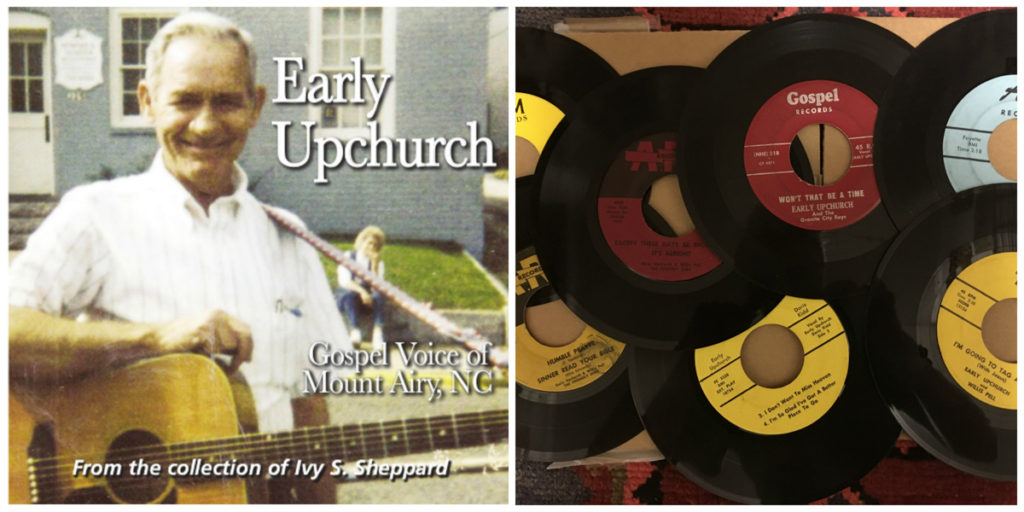
The cover of the Early Upchurch reissue, along with several Early Upchurch records in my collection. Graphics by Jim Garber, PaperClip Design; photograph courtesy of Ivy Sheppard

One of the many things I love about record collecting is that it’s a low-tech occupation. When I come in with a pile of new records from a hunt the first thing I do is bring them out on the kitchen counter and give them a good bath with some dish soap and a brush. Then I lay them out on towels, let them dry, sort them, run to my record room, and start listening. My husband knows there won’t be supper on those nights.
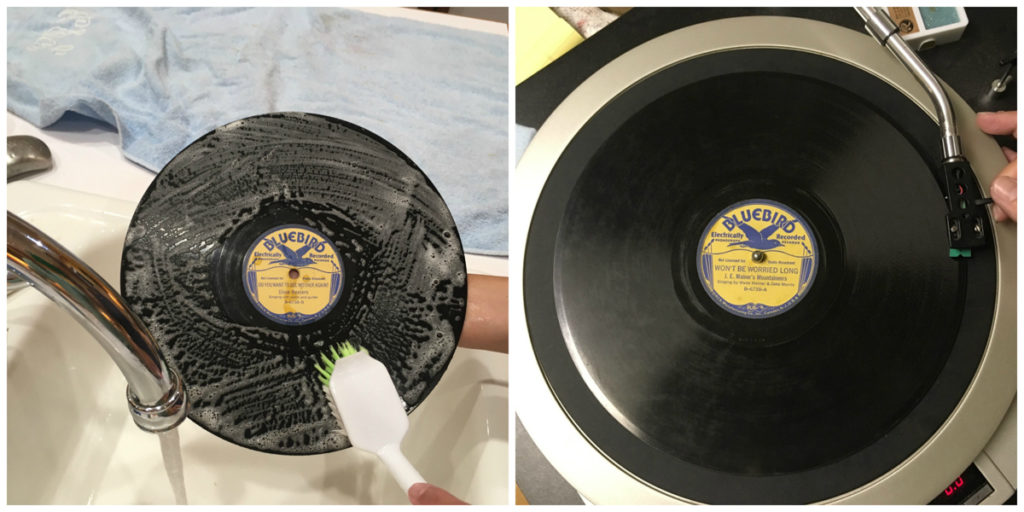
A bit of gentle washing gets a record ready for a first listen. Photographs courtesy of Ivy Sheppard

I make all of my radio shows with the best in 1950s technology. I run a Fisher monoblock tube power amplifier, a Pilotrol mono preamplifier, and a little mixing board that links up all my record players, tape decks, and reel-to-reel players. There is no computer involved until I have to transfer the recordings to the radio stations. Creating shows is an entirely intuitive process for me. I typically think of the first record or two that I want to play and then follow where my mind takes me. Listeners always know when I’ve picked up a new lot of records because they’re sure to make their way on the air.

Some people collect labels or names. There’s nothing that gets me more fired up than discovering some new treasure. I recently came across a transcription disc of a band who recorded at radio station WPAQ in Mount Airy in the late 1940s. They had a regular radio show on the station, and I reckon traveled regionally playing hillbilly music. It’s killer good stuff, and I was really excited to share it on my radio show, Born In The Mountain! And on a recent afternoon, I came across a home-cut disc of Frank & Vivian singing “Just a Closer Walk with Thee.” It is hillbilly gospel perfection, and I doubt we’ll ever know anything more about them than that.

It’s the excitement of putting down the needle or starting the tape and hearing something new and wonderful that wakes me up in the morning. And it’s knowing that I have the opportunity to get those sounds out to a larger audience that gives my life purpose.

Guest blogger Ivy Sheppard shares her love of records and music as the producer of the Born in the Mountain radio show, which airs on Radio Bristol Tuesdays and Thursdays noon to 2pm.

* Collectors love old records, and so do museums and libraries! For an insight into how professional conservators help preserve old records and other audio-visual materials for museum and library collections, check out the relevant pages at the Library of Congress and the Northeast Document Conservation Center

Four Films Highlighting the Bristol Sessions to Watch Again and Again

Four recent and upcoming films brilliantly document the depth and reach of the 1927 Bristol Sessions. Each of these films deserves a space on your media shelves, and each of the filmmakers displays a love of the music and history running through these visual tributes.

The Winding Stream: The Carters, the Cashes, and the Course of Country Music, 2014

The Winding Stream was released in 2014 and has received numerous glowing reviews. Image courtesy of Beth Harrington; graphics by Brian Murphy

Released in 2014 and the oldest film on this list, the acclaimed 90–minute documentary The Winding Stream traces the careers of A. P. Carter, his wife Sara, and his sister-in-law Maybelle, heralded as three of the earliest stars of country music. The film documents how The Carter Family, from their earliest days as Victor recording artists to their international success via the phenomenon of Border Radio, made their mark on the history of American recorded music.

The Winding Stream illuminates the foundation-forming history of this multi-generational musical family. It achieves this through careful research and well-crafted storytelling and with filmmaking techniques that help the viewer feel connected to The Carter Family and to those telling their stories.

Beth Harrington, award-winning producer, director, and writer, tells these stories and others through narrator-less interviews and performances by celebrated roots music practitioners like Johnny and June Carter Cash, George Jones, Rosanne Cash, Sheryl Crow, Kris Kristofferson, and others. Harrington’s work often explores American history, music, and culture, and the decade she spent working on this film is evident in the depth of the history she documents. To read more about the film, check out this review from Variety magazine.

Producer and director Beth Harrington. Image courtesy of Beth Harrington; photo by Amy McMullen

The Winding Stream reminds us that The Carter Family story is one that captured America’s attention starting with the family’s first recordings, and one that continues to capture imaginations in country music history and scholarship to this day.

American Epic: The First Time America Heard Itself, 2017

American Epic: The First Time America Heard Itself has been selected for screening at numerous film festivals, winning awards at Calgary, Tryon, and Sydney. Credit: PBS

Writer and director Bernard MacMahon calls American Epic his love letter to America. With this PBS documentary series, he explores the history of recording technology and American innovation of the 1920s and also celebrates it through contemporary performances. This work – which painstakingly recreates the recording technology of the 1920s and then creates new recordings using this technology – is visually stunning, carefully documented, and a beautifully creative way of honoring early recordings. This is a series to enjoy (the visuals are stunning!) and to study.

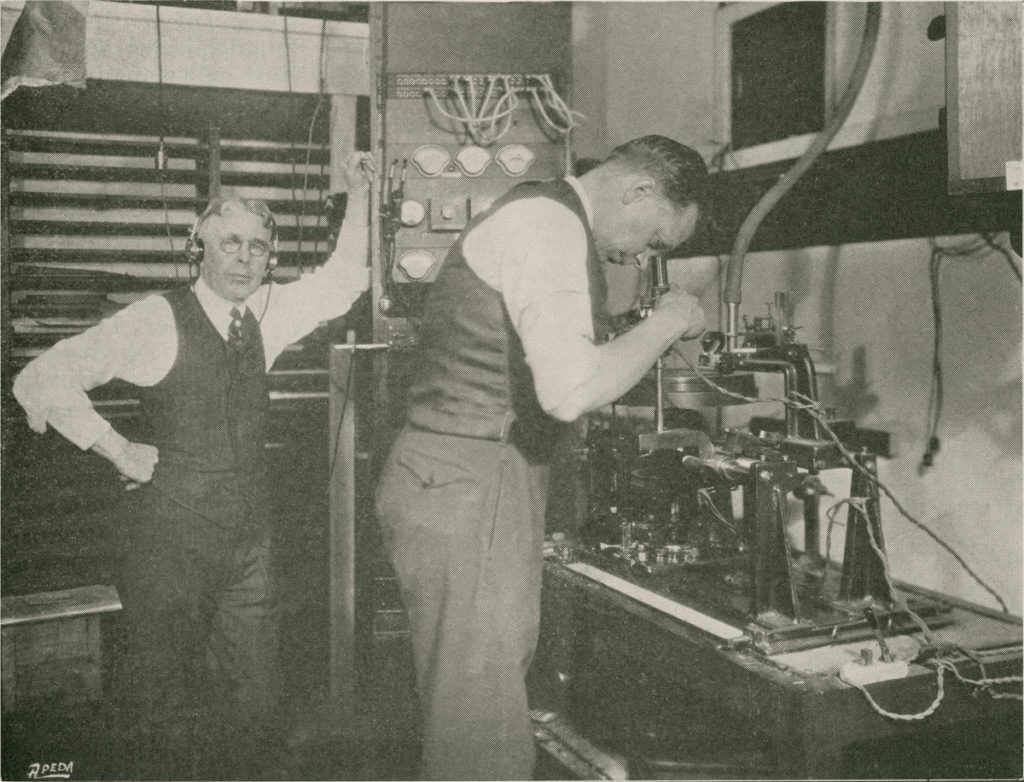
Okeh Engineers Charles L. Hibbard and Peter P. Decker with a Western Electric amplifier and cutting lathe from American Epic: The Big Bang. Image courtesy of Maida Vale Music

With executive producers T Bone Burnette, Jack White, and Robert Redford, the film has some major brains and talent behind it. The film was produced and directed by Lo-Max Films, led by Allison McGourty, Duke Erikson, and MacMahon, who bring their filmmaking skills and knowledge of music history to a project that was over 10 years in the making. You can watch the trailer to American Epic here, and learn more about the research and recreation of the technology that went into the film here.

Born in Bristol: The Untold Story of the Birth of Country Music, 2017

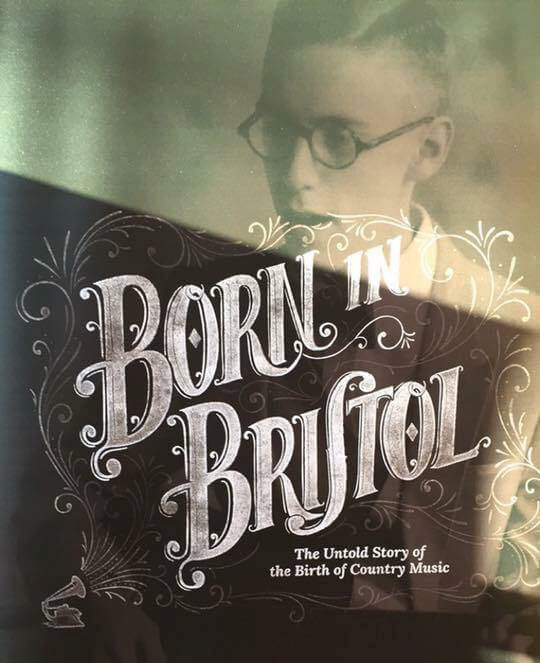
Born in Bristol earned recognition at the 2016 Cannes Lions International Festival of Creativity, and the film premiered in Bristol with several screenings on August 3–6, 2017. Image courtesy of VML

Born in Bristol is a 53-minute documentary and drama profiling the 1927 Bristol Sessions; it also highlights the 2015 production of Orthophonic Joy: The 1927 Bristol Sessions Revisited, an album where contemporary country artists put their own spin on the songs of the Bristol Sessions. The film was produced by the Tennessee Department of Tourist Development, with support from the Virginia Tourism Corporation, and it features performances by and interviews with Dolly Parton, Vince Gill, Eric Church, Emmylou Harris, Steve Earle, Marty Stuart, Sheryl Crow, Doyle Lawson & Quicksilver, and many more. Hearing the musicians speak about the impact these recordings have had on them, and the reverence they feel for the music of this region, underlines the legacy of the Bristol Sessions and the ways in which they still resonate today.

Filming began in 2014 by Plan A Films, and several locations in and around Historic Downtown Bristol were chosen to recreate the story of the legendary 1927 Bristol Sessions recordings. A number of local musicians, actors, and extras were cast in the film. The film earned shortlist honors at the 63rd Annual Cannes Lion International Festival of Creativity in Cannes, France in the category of Film Craft – Use of Licensed or Adapted Music. You can read more about the film here.

Country Music, to be released in 2019

This much anticipated new documentary series by award-winning filmmaker Ken Burns is scheduled to be released in 2019. The film’s team is stellar: Country Music will be directed and produced by Ken Burns; written and produced by Dayton Duncan; and produced by Julie Dunfey – Emmy Award-winning creators of several of PBS’s most-acclaimed and most-watched documentaries.

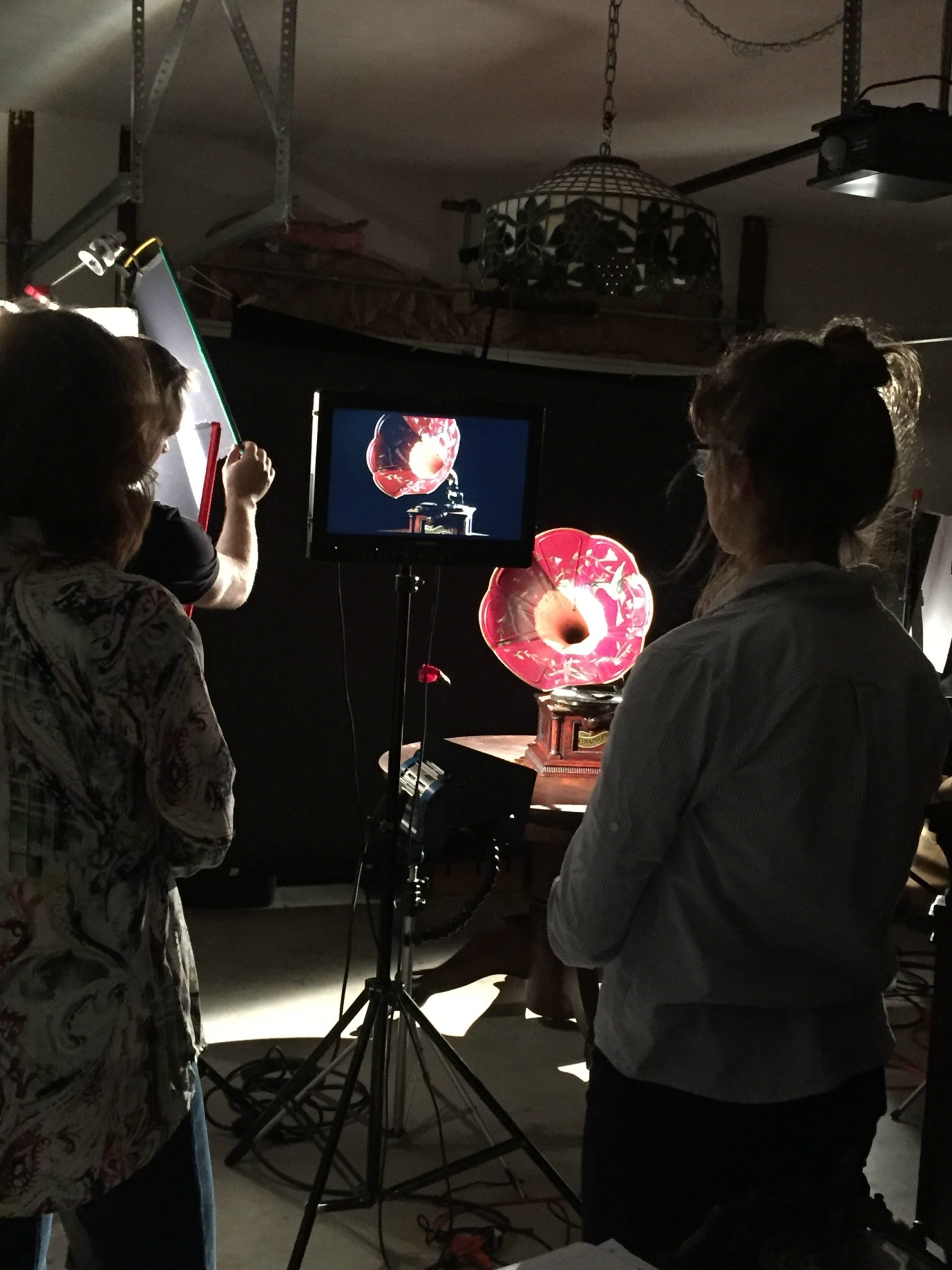
The Country Music crew, led by Julie Dunfey, visited Bristol during their research. They can be seen here setting up a shot of a phonograph playing a 78 record. © Birthplace of Country Music, photographer: Rene Rodgers

The filmmakers state that Country Music will “chronicle the history of a uniquely American art form, rising from the experiences of remarkable people in distinctive regions of our nation. From southern Appalachia’s songs of struggle, heartbreak and faith to the rollicking western swing of Texas, from California honky tonks to Nashville’s Grand Ole Opry, we will follow the evolution of country music over the course of the twentieth century, as it eventually emerged to become America’s music. Country Music will be a sweeping, multi-episode series, exploring the questions “What is country music?” “Where did it come from?” while focusing on the biographies of the fascinating characters who created it – from The Carter family, Jimmie Rodgers, and Bob Wills, to Hank Williams, Johnny Cash, Loretta Lynn, Charley Pride, Willie Nelson, Dolly Parton, Emmylou Harris, Garth Brooks and many more – as well as the times in which they lived.”

In the search for valuable memories and experiences that make up this story, gathering firsthand interviews for the Country Music series has often been a race against time – you can read more about this work here.

Ken Burns. Photo credit: Florentine Films

Each of these films takes a reverent approach to visualizing country music history and exploring the early history of this genre and its many influences and (winding) paths. With considerable research and respect for the musicians and their craft, each takes a different approach to telling the complex story of country music.

So watch these films, and savor their stories and the history that made them – we guarantee you’ll want to listen to the music and learn more.

Kim Davis is Director of Marketing and Jessica Turner is the Director of the Birthplace of Country Music Museum.


The Summer of 2017: The 90th Anniversary of the 1927 Bristol Sessions

In the summer of 1927, the movie The Jazz Singer was released and heralded as the first talkie (a film featuring dialogue between characters). Charles Lindbergh also flew the first transatlantic flight. It was an eventful and innovative time, as writer Bill Bryson marvels about in his book One Summer: America, 1927.*

It was also the summer that Ralph Peer of the Victor Talking Machine Company came to Bristol and recorded the now-famous Bristol Sessions.

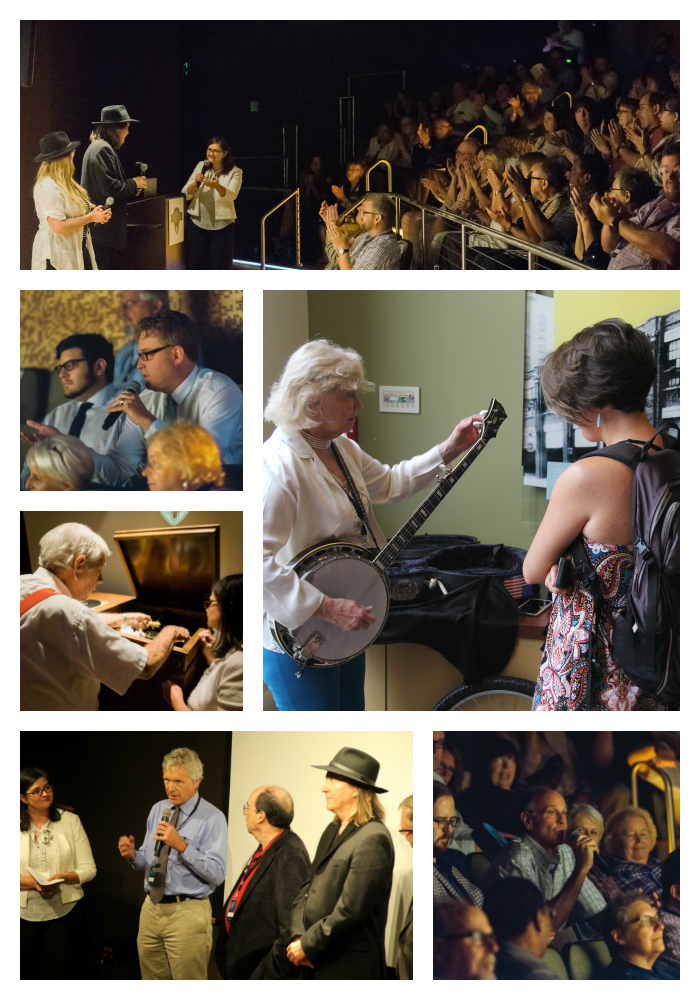
This year the Birthplace of Country Music marks the 90th anniversary of those sessions with several special events, including films, concerts, and special admission prices to the museum. Recently we held a symposium about the 1927 Bristol Sessions that included special events to honor family members of the artists who recorded for Ralph Peer back in 1927. The symposium reflected on the convergences of technology, talent, and business prowess that made possible one of the most significant recording sessions in commercial music history.

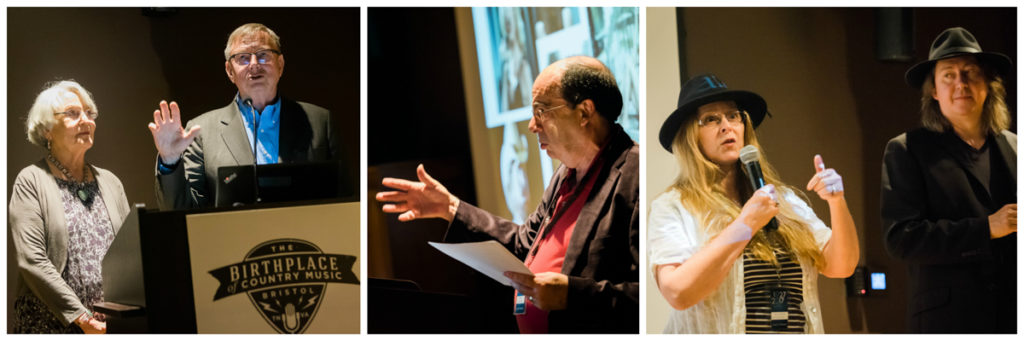
Symposium speakers Ralph Peer II and Liz Peer, author Barry Mazor, and American Epic producer Allison McGourty and director Bernard MacMahon. © Birthplace of Country Music, photographer: Billie Wheeler

We were honored to have as keynote speakers Ralph Peer II and his wife Liz Peer, whose family continues the Peer legacy of music publishing at peermusic. They were accompanied by their three children, Mary Megan Peer, Elizabeth Ann Peer, and Ralph Peer III. From the film American Epic, director Bernard MacMahon and producer Allison McGourty gave a talk and screened parts of their film, which documents a journey that painstakingly recreates the recording technology of the 1920s and then creates new recordings with this technology. This PBS film is a visually stunning, carefully documented, and beautifully creative way of honoring early recordings. The symposium also featured scholars and authors Barry Mazor and Ted Olson, whose research and writings highlight and explore in detail the important history surrounding the 1927 Bristol Sessions.

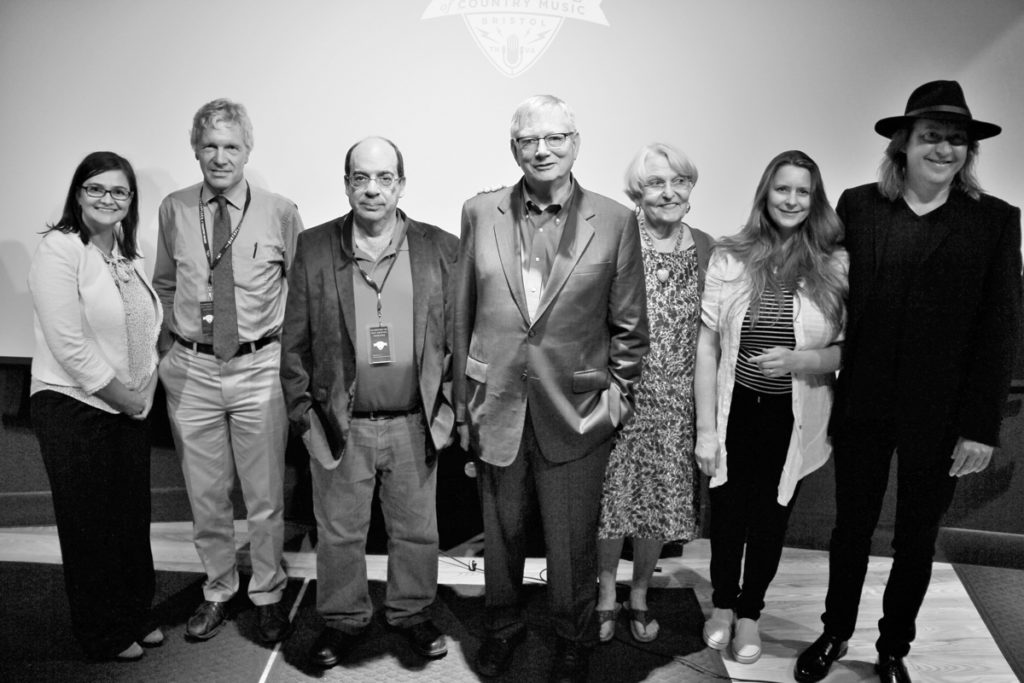
Symposium speakers Dr. Jessica Turner, Dr. Ted Olson, Barry Mazor, Ralph Peer II, Liz Peer, Allison McGourty, and Bernard MacMahon. © Birthplace of Country Music, photographer: Mark Logsdon

There are no photographs that document the Bristol Sessions. Only a handful of musical instruments remain that were recorded in the Sessions, and few artifacts exist that can be traced back to those recordings. Yet the Bristol Sessions continue to shape country music history through our musical lineages and in our imaginations. And the 1927 Bristol Sessions form the key content of the Birthplace of Country Music Museum, to which we anchor our permanent exhibits and which we continue to dig into and explore.

Those recordings capture a musical moment that is arguably one of the most influential country music recording sessions in history. The Sessions launched the careers of The Carter Family and Jimmie Rodgers. They illustrate the versatility of Ernest and Hattie Stoneman, whose long career in country music is reflected by the fact that the Stoneman Family has songs on every recording format there is, from wax cylinders to digital files.

They reflect traditional Appalachian music styles and sacred music as these styles were just beginning to be recorded, such as the holiness music recorded on the Bristol Sessions. And they capture the variety of music styles before early country music was more standardized – before bluegrass even existed – and are full of creativity, replete with entrepreneurialism, and filled with many voices.

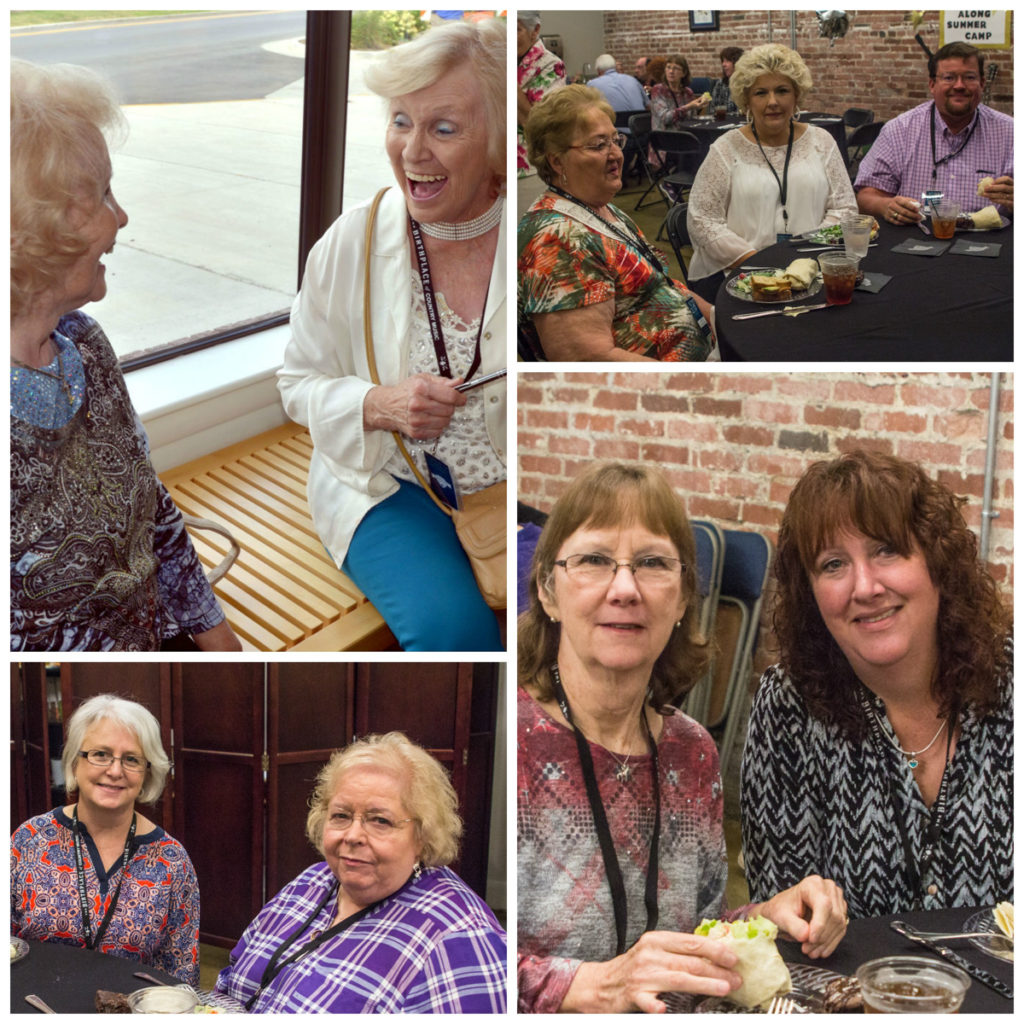
Those voices carry on in many of the communities from which they came, and we were honored to be joined at the symposium by many family members of Bristol Sessions artists. Museum staff spent the morning doing oral history interviews with family members for our archives (and for future blog posts!), and we honored our guests with a special luncheon. Members of The Stoneman Family, The Carter Family, Jimmie Rodgers Family, Blind Alfred Reed Family, Ernest Phipps Family, Alfred Karnes Family, and Georgia Warren Family (Warren was 12 years old when she sang with the Tennessee Mountaineers at the Sessions) were present, all of whom carry the legacy and memories of the many musicians who came to Bristol in 1927. It’s these connections – to our past, to our history, and to the family members who carry on this musical legacy – that made this symposium extraordinary, and make our jobs, where we delve into these connections every day, truly special.

Clockwise from top left: Donna and Roni Stoneman; Nancy Taylor, LeAnne Davis and Timothy Davis, family members of Georgia Warren of the Tennessee Mountaineers; Ernest Phipps’s granddaughter Teresa Phipps Patierno and daughter Amie Brittain; and Blind Alfred Reed’s family members Tina Hunter and Jane Kelly. © Birthplace of Country Music, photographer: Billie Wheeler
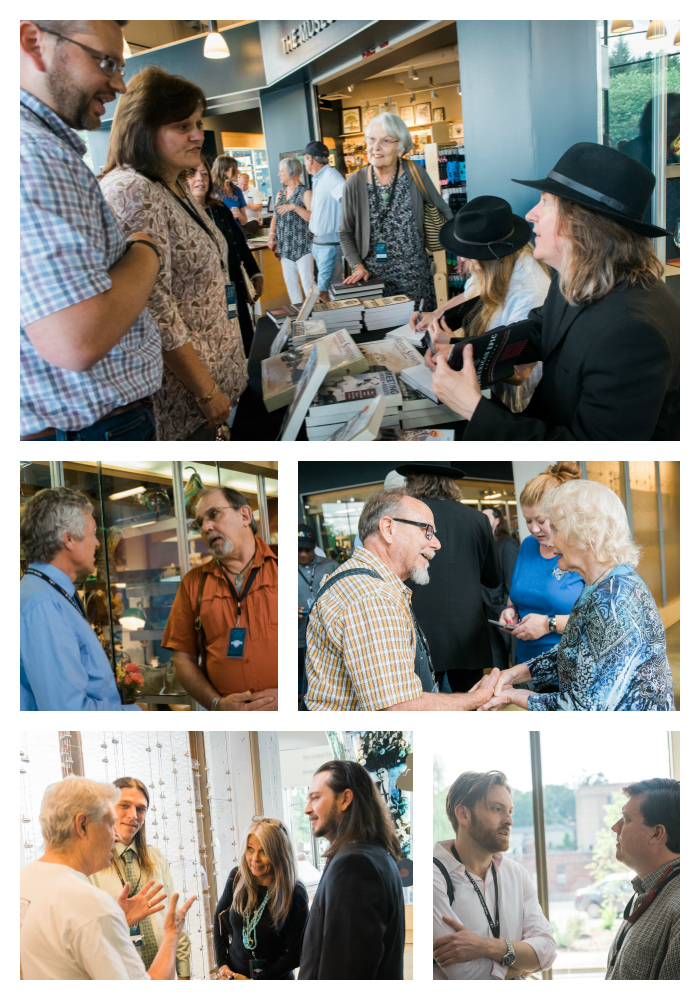
From top, left to right: Karnes family members speaking with Bernard MacMahon and Allison McGourty, with Liz Peer; Ted Olson and Dale Jett; an attendee speaking with Donna Stoneman; playwright Doug Pote speaking with Jimmie Rodgers family Austin Court, Karen Court, and James Cody Court; Ralph Peer III chats with an attendee. © Birthplace of Country Music, photographer: Billie Wheeler
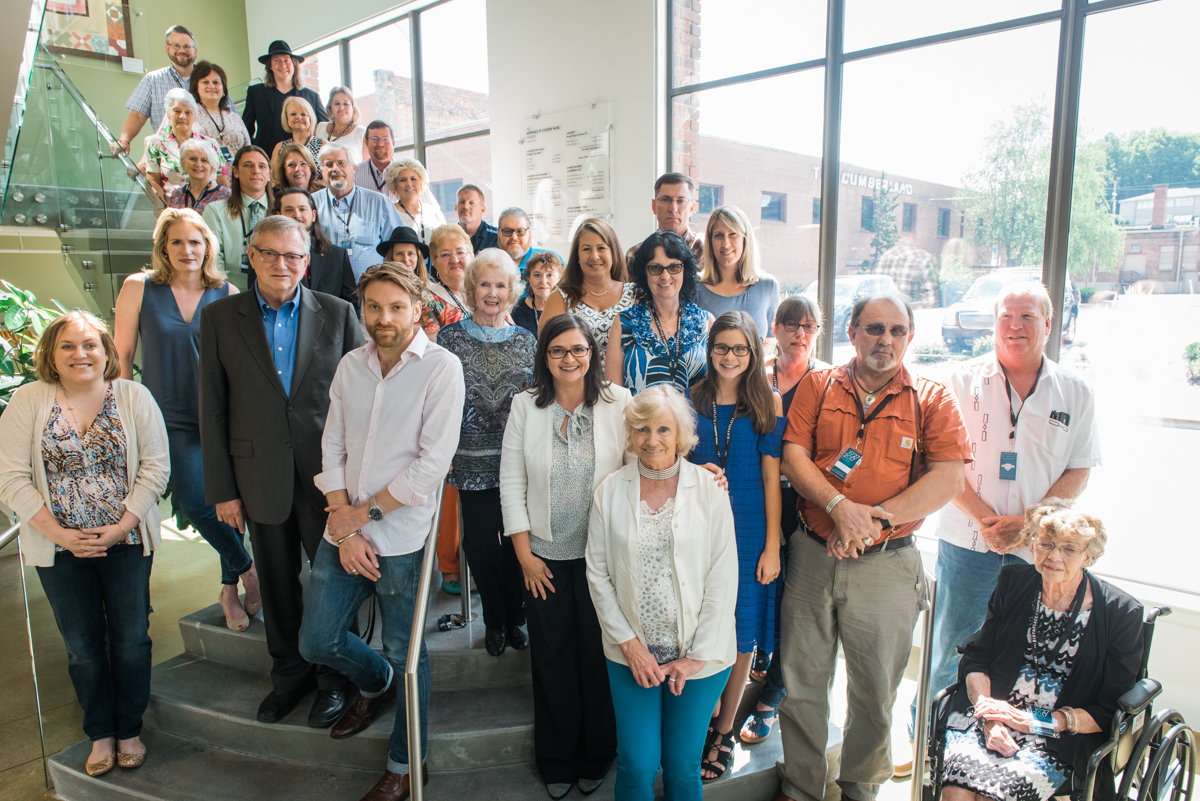
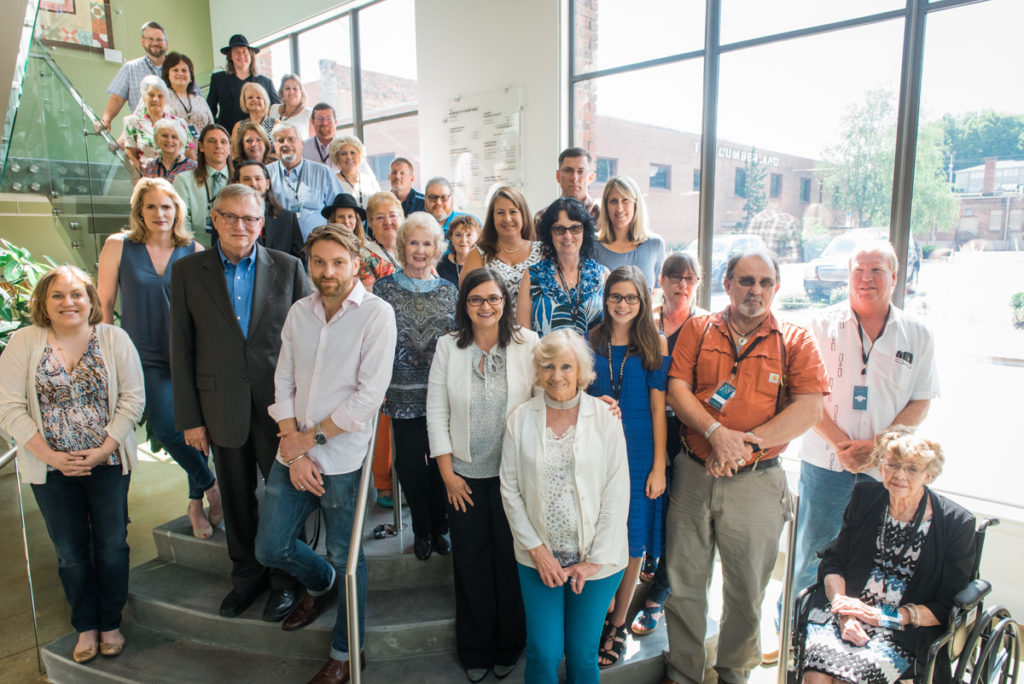
Participants in the symposium. © Birthplace of Country Music, photographer: Billie Wheeler


Descendants of 1927 Bristol Sessions artists with the Peer Family and symposium participants. © Birthplace of Country Music, photographer: Billie Wheeler

* Interestingly, Bryson doesn’t mention the 1927 Bristol Sessions in his book, though he does focus some attention on early sound technology including developments in radio. Curator René Rodgers pointed out this omission in correspondence with Bryson, and he graciously acknowledged the need to visit Bristol to learn more. Perhaps he will do so. We’d love to see him here!

Jessica Turner is the Director of the Birthplace of Country Music Museum.

Momma: Birthday Memories of June Carter Cash

Valerie June Carter is my Momma!

She was born in 1929 to Ezra and Maybelle Carter in Maces Springs, Virginia, and by all accounts, especially hers, she came out talking! She was an entertaining baby and absolutely her Daddy’s knock-kneed, feisty, funny child as she grew up from a tomboy to a gorgeous young girl. Back then, she would have just as soon be driving a logging truck or working in the garden rather than fussing with bows in her hair – as long as it meant she was helping her Daddy out with his “projects”!

How many days did I spend with my Momma? How many birthdays did we celebrate together?

Since it’s June – and her birthday is today on the 23rd of that month – I always like to think about those times and be grateful for every moment I had with her… But still, the answer to my questions: Not enough!!!

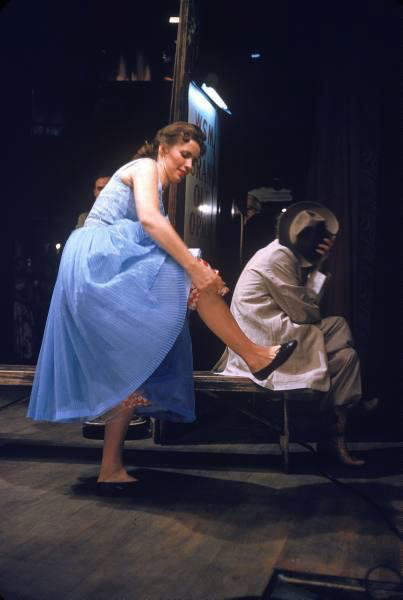
If you’re reading this blog post, chances are you know her as June Carter Cash, the Entertainer. She was all that you knew her publicly as, but so much deeper than the character she portrayed on stage. I knew both of these versions of my Momma, and I respected and loved them both passionately! And she was always the smartest person in the room, of that I have no doubt.

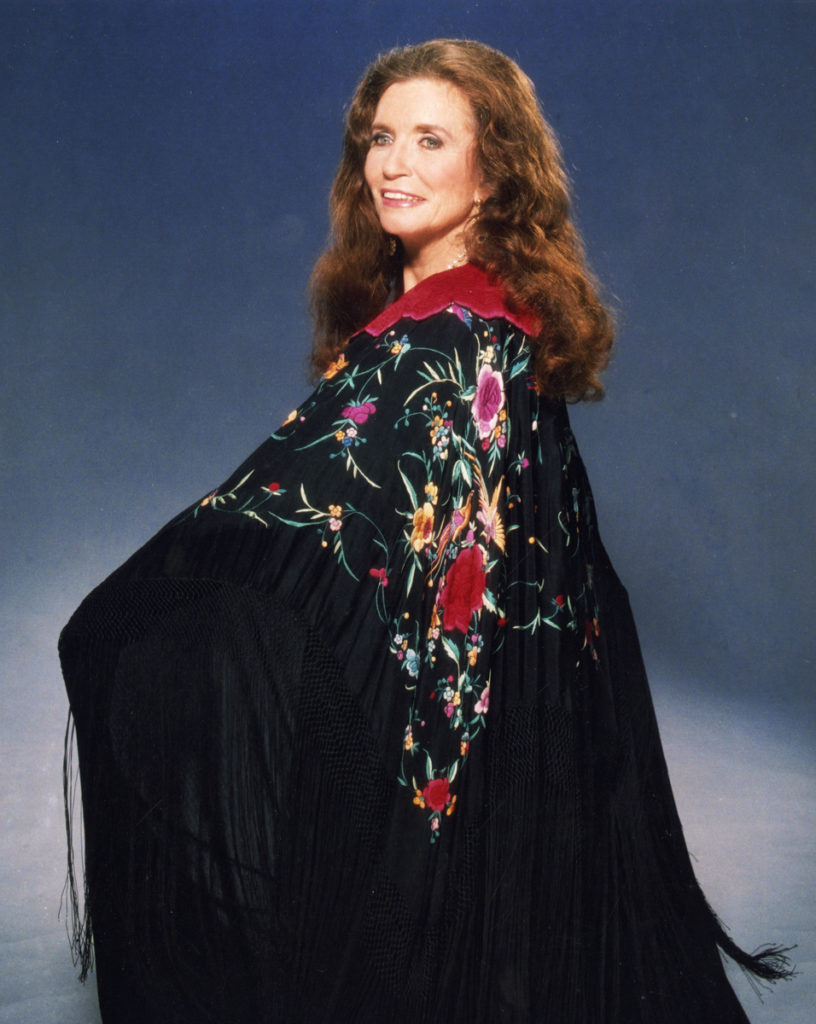
June Carter Cash. Photo: Harry Langdon

I could write an entire book of stories about her, or stories she’s told me, but that’s not happening today. Nope! Today I want to share some birthday memories with you all.

Coming from the generations of artists that made up my family, she taught us about birthdays as she was taught by her Momma – it’s just a day, and we celebrate when we’re all together. So if Momma was on tour, and I was not with her, we looked at the calendar and picked the day that was going to be her birthday day that year!

And, in fact, so it went with all holidays and celebrations. For example, almost every summer when Rosey and I were little, our Momma would be on the road playing state fair dates. We loved this because we would go with her, and we could ride the rides while she was working. There were a lot of Momma’s birthdays spent like that, and as Rosey’s birthday was in July, same with her’s too; my birthday being in September meant that only happened sometimes as Momma was all about me getting an education under my belt. So you get the drift about our ways of celebrating special days, including the Carter-Cash Christmas, which was often done around Thanksgiving instead as they loved being down in Jamaica during the cold months in Tennessee. Sometimes we would go, sometimes not!

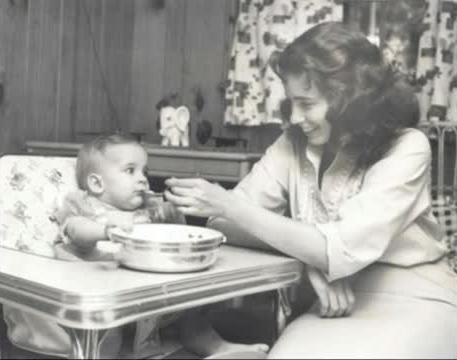
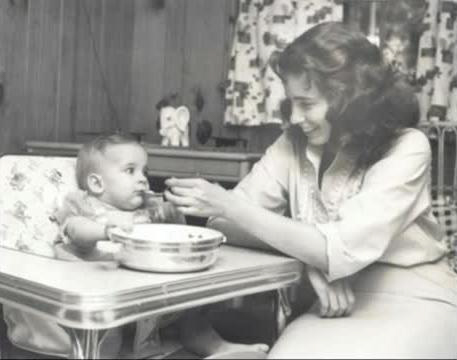
Momma, 1956. I was almost 8 months old on this Saturday night at the Opry. It was Momma’s birthday, and I was no doubt sleeping in Aunt Nita’s or somebody’s upright bass case off stage!  Photo courtesy of Carlene Carter

But I’ll go back to the 1950s and 1960s now. For Momma’s birthday, Rosey and I would get up extra early and make strawberry pancakes and serve her breakfast in bed, singing her HAPPY BIRTHDAY while she pretended to be surprised. We’d make these crazy glitter-covered cards for her, and she’d always say: “The most beautiful cards I have ever seen, girls!”

Then a lot of times we would have a big fish fry after going fishing in the pond at our home in Madison, Tennessee, or from out on the lake where we later lived with John after they got married. And, of course, she loved parties and having all her friends and family over – that was our Momma!

Polaroid photo of Momma and me, 1955 or early 1956, I’m guessing! Photo courtesy of Carlene Carter

She was everything to her kids: me, Rosey, and John Carter. And now I celebrate her birthday every year since she passed because I was so blessed to have been her baby girl. She was the sweetest, the funniest, the most generous, and the strongest woman I have ever known in my life!

Happy Birthday, Momma.

xoxo

Guest blogger Carlene Carter is a singer and musician, and the daughter of June Carter and Carl Smith.