
History Archives - Page 21 of 25 - The Birthplace of Country Music
Listen
Play
Loading station info...

Instrument Interview: Maybelle Carter’s Guitar

“Instrument Interview” posts are a chance to sit down with the instruments of traditional, country, bluegrass, and roots music – from different types of instruments to specific ones related to artists, luthiers, and songwriters – and learn more about them. Ten questions are posed, and the instruments answer! Today we talk to one of Maybelle Carter’s guitars:

 What model are you, and when were you made?

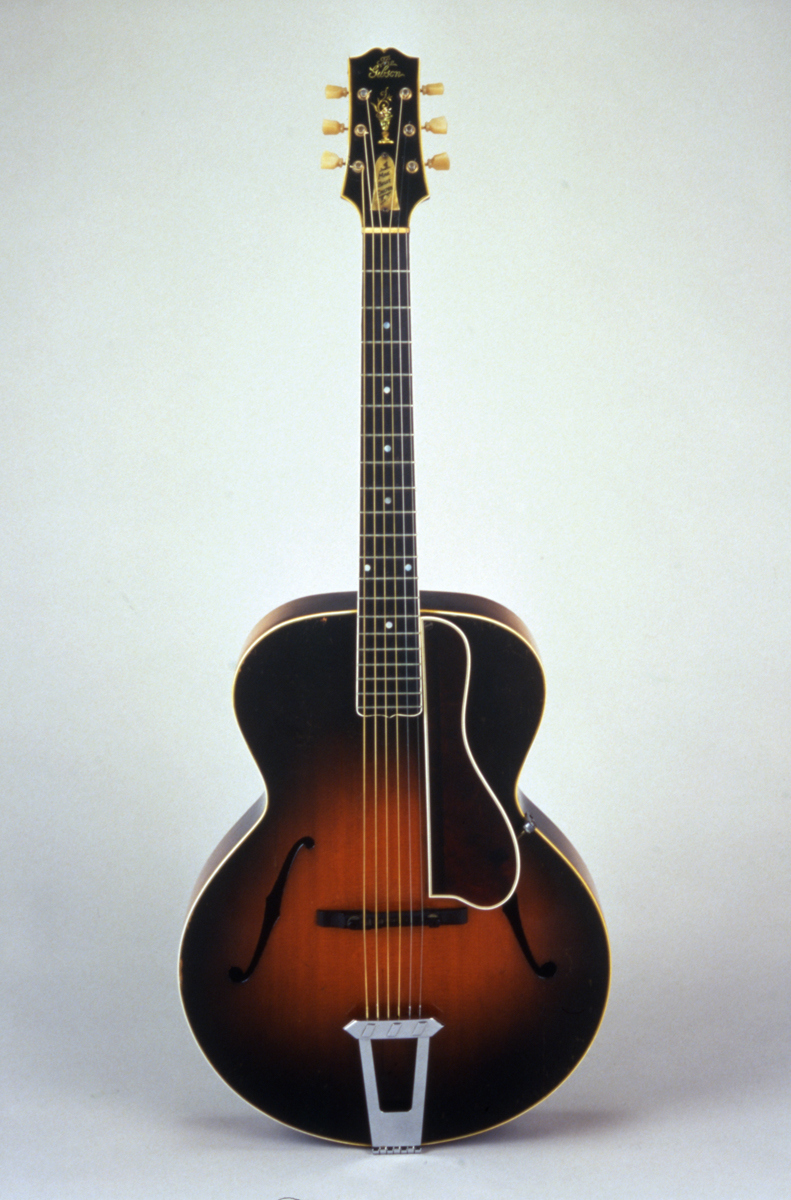
I’m a 1928 Gibson L-5 guitar, made at the old Gibson factory in Kalamazoo, Michigan. Lloyd Loar, the famous engineer who redesigned a lot of Gibson’s product line in the early 1920s, introduced my model in 1922 as the top-of-the-line guitar. Unlike most earlier guitars, I have a carved arched top and violin-style F-holes instead of the round sound hole in the middle. You might say I’m like a guitar that thinks it’s some kind of oversized violin. But at least Maybelle didn’t try to play me with a bow!

Well, speaking of Maybelle Carter, when did you become her instrument? Did she play you at the famous Bristol Sessions when The Carter Family made its first recordings?

Well, no, Maybelle didn’t have me yet when she did those recordings in Bristol in 1927. That was actually a year before I was built in Kalamazoo. On those first six sides that Maybelle recorded with Sara and A. P., she was playing a cheap Stella flat-top guitar. That would have been a good enough instrument for most early country musicians, but Maybelle was no ordinary player. She deserved something bigger, louder, with a more authoritative voice. So after their records started selling well and Ralph Peer invited them to come to New Jersey to make new recordings with better equipment, Maybelle and her husband Eck (A. P.’s brother) went out and bought her the best guitar they could find. I cost $275, which was an awful lot of money in 1928.
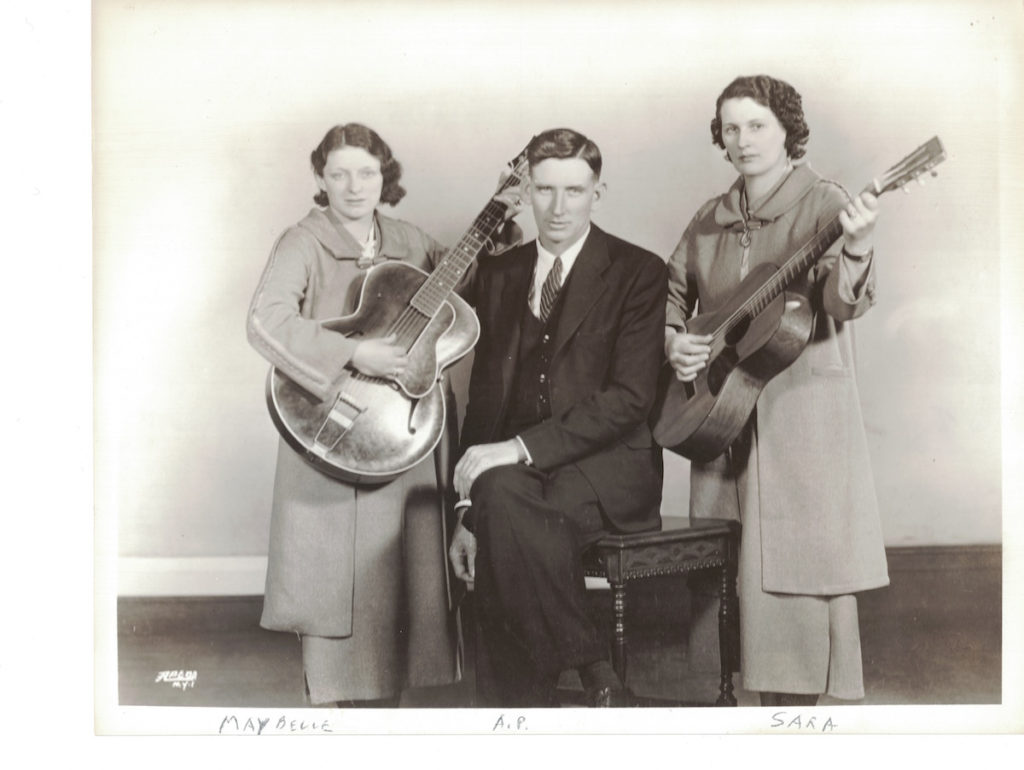
A picture of The Carter Family -- Maybelle holding her guitar, A. P., and Sarah holding her guitar
A publicity still of The Carter Family – Maybelle holds her Gibson L-5 guitar. From the collection of the Center for Popular Music, Middle Tennessee State University

What did Maybelle do to bring out your true and distinctive voice? What made her such a great player?

The biggest thing, I guess, is that she played me with such command and authority. She was the driving force of the band’s instrumentation, since Sara just played some lighter second guitar or autoharp, and A. P. hardly ever played any instrument on record. Sometimes Maybelle was the whole band! So she took some of the existing folk guitar styles and made them strong, polished, and professional. She made the guitar into a solo instrument in the country band, playing melody between vocal refrains and also providing a driving rhythm.

Really? How on earth did she do that?

Mostly it was her powerful right hand. It still makes me shudder to think about how clear and purposeful she was when she played. She commanded the sound out of me. Her most famous method was a thumb-lead style, which some people call the “Carter scratch.” I never did quite understand that, since it wasn’t really scratchy sounding at all. She wore a thumbpick on her right hand and used that to play bass notes and all those wonderful melodies on the bass strings of the guitar, and meanwhile she had a metal fingerpick on her index finger and used that to strum those great, driving chords on the upper strings. A real one-woman band!

How did that style suit you, as an instrument?

It suited me perfectly. Because I have an arched top and F-holes, my bass strings have more punchiness and less sustain than flat-top guitars. With all the activity of Maybelle’s right thumb and forefinger going on simultaneously, it was much better that my notes were shot out like cannon balls without any ringing sustain to muddy it up. In her hands, I was a melodic rhythm machine.

That idea of using your thumb and one finger reminds me of the clawhammer banjo style. Is it similar?

Hey, I’m a guitar! You’re going to make me talk about banjos? I’m just kidding. You know, Maybelle did play banjo in that clawhammer style, so that may have given her some notion of using her thumb. But really the styles are very different, because in thumb-lead guitar, the thumb is the one playing the melody. The motion of the right hand is totally different, too.

Did she always play using that thumb-lead style? Or did she use any other styles?

No, although it was her main style and the one that influenced younger players the most. Maybelle also developed into a really fine flatpicker, using the kind of pick that most guitar players favor nowadays and which used to be called a “straight pick.” With a flatpick she was able to play more on my treble strings, a predecessor to the way later bluegrass guitarists play their lead solos. She really liked to do this on blues songs like the “Coal Miner’s Blues,” but she also used this approach on songs like “You Are My Flower.” Boy, she made me sound amazing on that one. As for other styles, she didn’t do much of what people call fingerpicking, since that wasn’t a strong enough sound for her. And Maybelle did play slide guitar, but she didn’t use me for that.

Cover of The Carter Family songbook Album of Smoky Mountain Ballads -- picture of the Carters on the front showing Maybelle and Sara with guitars and A. P. without an instrument
This Carter Family songbook was published by Ralph Peer via his Southern Music Publishing Company in the late 1930s. Again, Maybelle is pictured with her Gibson L-5. Image reproduced with permission from peermusic; songbook in the collection of the Center for Popular Music, Middle Tennessee State University

What happened to you after the original Carter Family disbanded in 1944?

Maybelle continued playing me with the Carter Sisters, who were really her daughters, and in all of her music-making up to the time she died in 1978. She hung on to me until the end, even when money was tight and she could have sold me. We had a special bond, and I never sounded the same when somebody else tried me out – not even Chet Atkins. Maybelle played me on her solo records in the 1960s and 1970s, when she went on tour with the New Lost City Ramblers, and when she did “Keep on the Sunny Side” on the Nitty Gritty Dirt Band’s Will the Circle Be Unbroken? album.

What about “Wildwood Flower” from the Circle album?

No! Even though that was probably her most famous guitar song, with the Dirt Band she wanted to play it on autoharp just because she’d never recorded it that way.
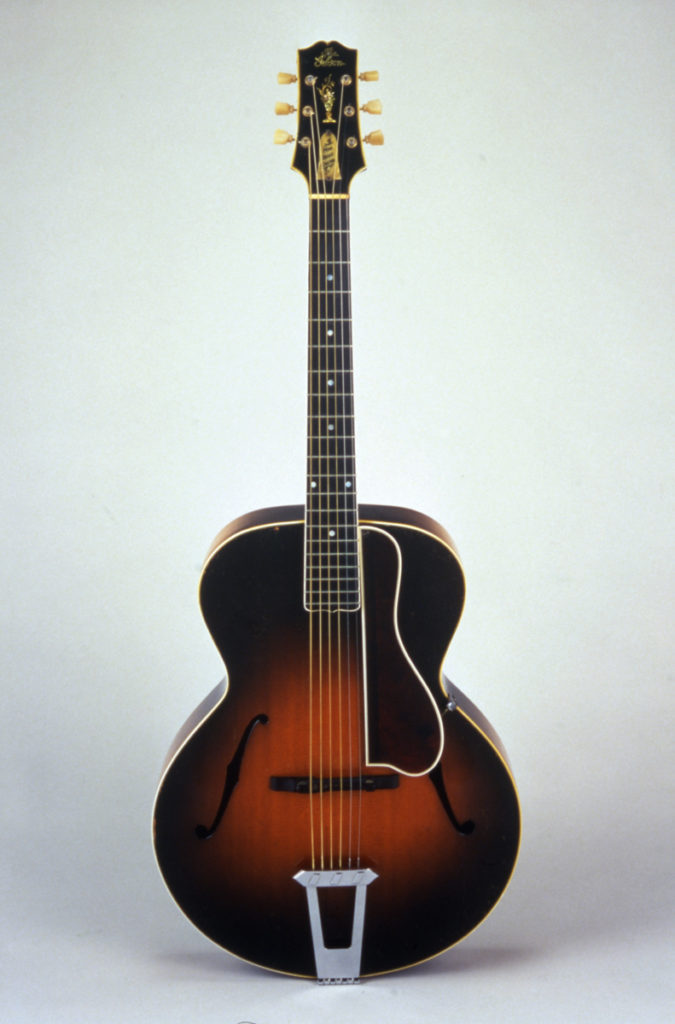
Maybelle's Gibson L-5 guitar
A formal portrait of Maybelle Carter’s Gibson L-5 guitar. Courtesy of the Country Music Hall of Fame® and Museum

Finally, what are you up to today?

Today I’m proudly on display at the Country Music Hall of Fame and Museum in downtown Nashville, alongside Sara’s autoharp, Bill Monroe’s mandolin, Earl Scruggs’s banjo, and Barbara Mandrell’s pedal steel. Back in 2004 I was almost sold off by my owner who had loaned me to the museum, but Maybelle’s family really wanted me to remain. I’m so glad they figured out a way to buy and keep me there in such illustrious company. I just wish I could get played more these days, but then again it’s OK. Nobody will ever play me the way Maybelle did.

Guest blogger Gregory Reish is the Director of the Center for Popular Music at Middle Tennessee State University. He is a scholar, teacher, and performing musician with expertise in a wide range of American vernacular styles.
 

Top Ten Things You Didn’t Know About Square Dancing

I’ll never forget how I felt the first time I went to a real square dance.

I had been studying Spanish in my apartment with my best friend in college when her phone rang. Our music community in Johnson City, Tennessee, was incredibly strong and connected at that point. Word was traveling down the iPhone telegraph that a caravan of folks would be leaving from Mary Street heading toward Burnsville, North Carolina, for a square dance.

I had been a diligent and dedicated student all through college and the thought of abandoning a homework assignment was enough to send me into an anxiety attack. Excitement and peer pressure got the best of me, however. It was the only zero I ever received on an assignment, but the experience of the dance was well worth the failing grade. Perhaps it was that the world seemed exceptionally gloomy on that evening (the country was a few days into a government shutdown and public tension was high), but the square dance magically transported us all away from the problems of society for a moment. We were transfixed in do-si-dos, swings, and promenading through a sea of mesmerizing fiddle and banjo tunes.

The next morning, I began wondering just how in the world something so free and happy could have dwindled away from so many of our Appalachian communities. Dances had once been centerpieces of mountain society. They served as social gatherings where news could be swapped, courtships could form, and musicians could test their chops. Today, it is safe to say that square dancing is in a revival of sorts. There are numerous workshops and classes offered throughout the mountains to teach people to dance and to call. There are also young folks who are working to bring square dancing back to into communities.

I’ve been an advocate of dancing since that first night in Burnsville, and I’m hoping this post will encourage you to get out on the dance floor yourself. I’m sure many of you are reading this and thinking to yourself: “I haven’t square danced since elementary school!” or even “I’ve never square danced in my life!” On that note, I think it’s a real shame that school children don’t get to experience the Virginia Reel anymore in gym class.

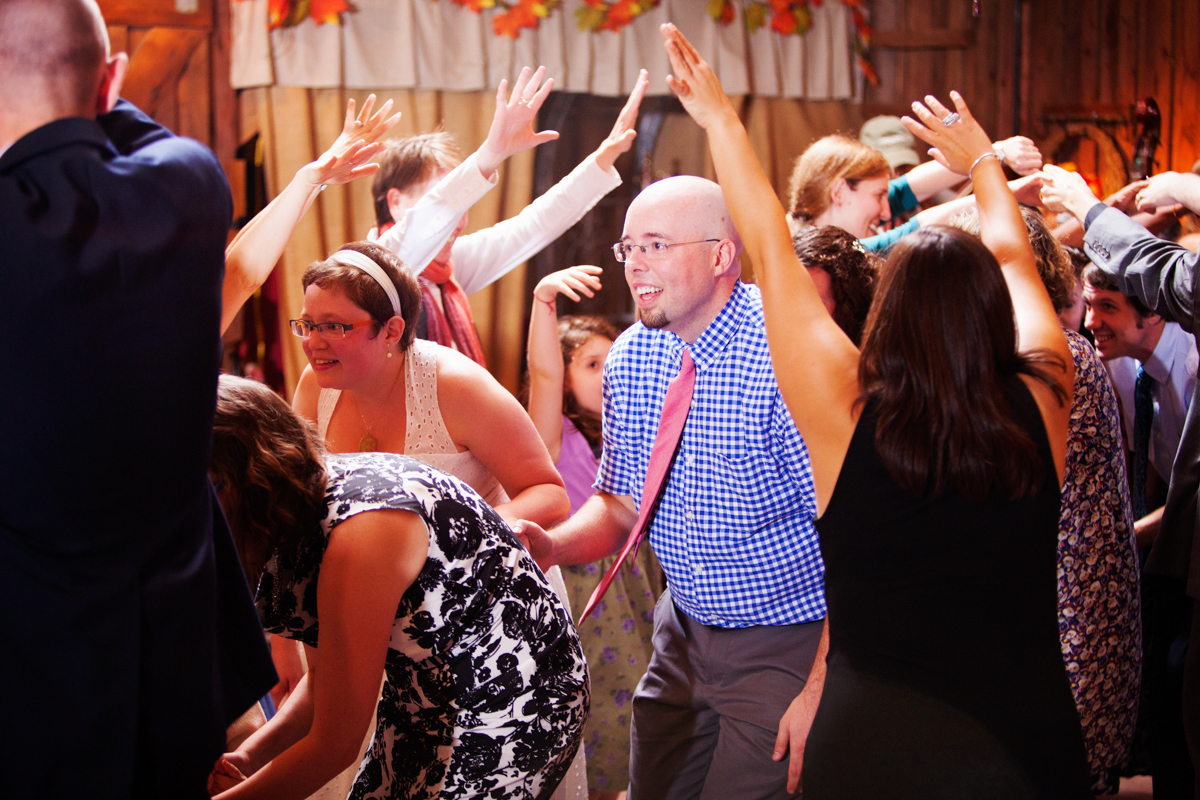
The Virginia Reel in action. © Tyler Hughes

If your interest has been piqued but you’re still not sure about swinging and promenading, then today – National Square Dancing Day! – is the perfect time for this “Top Ten Things You Didn’t Know About Square Dancing” list. Hopefully this blog post will give you that final nudge to find a dance near you. Read the list and then get your dancing shoes on (see #3 below)!

1. It Ain’t All Squares

Square dancing developed long ago from a mix of English country dances and African American social dances. The typical formation is four couples in the shape of a square. However, all along the Appalachian Mountains it became popular to run square dance steps in large circle dances using as many couples as can fit on the floor. The Circle Dance often uses moves like the Right and Left Grand to continually have a dancer switch partners. This gives everyone a chance to dance with everyone and often breaks the ice for folks a little nervous about meeting others and asking them to dance.

2. Square Dances are Forgiving (Thankfully!)

There is often a fear by first-time dancers that they will look foolish because they don’t how to dance the moves correctly. This thought should never cross a dancer’s mind though. Square dance callers are always used to having beginners on the floor, and the job of the caller is to explain the dance in full until everyone is comfortable. These dances are welcoming spaces where more experienced dancers are always willing to help you learn the ropes, and if you do get all twisted up and turned around, nobody is going to mind. Square dances are not competitive sporting matches; rather, they’re a place to have fun. So stop worrying!

3. No Dress Code

The first time I invited a friend to what would be their first square dance, he looked puzzled and disappointed when he said, “I can’t. I don’t own any cowboy boots.” I politely explained that cowboy boots were not a requirement. Neither are gingham shirts, petticoats, or cowboy hats. Just as squares can be danced to modern music (see #5), the typical dress for dances has evolved as well. Jeans, slacks, and even yoga pants would be just as fitting for a square dance now.

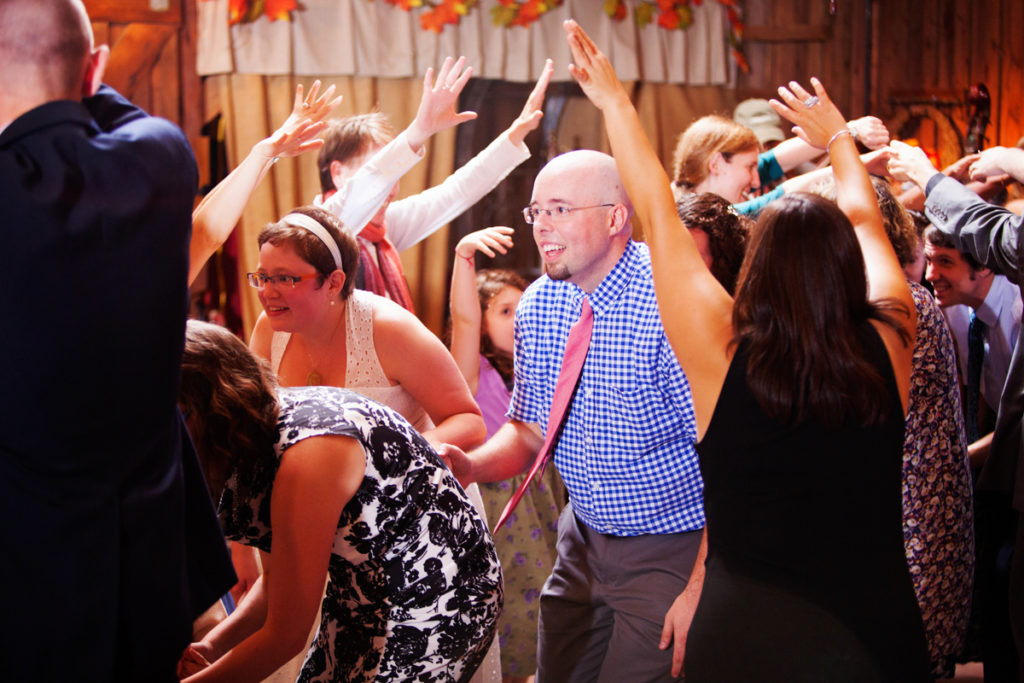
Wedding guests -- plus the bride and groom -- participate in a square dance
You can even wear a wedding dress for a square dance! Courtesy of Emily Robinson, photograph by Skyryder Photography 

4. Square Dances are for Everyone

Square dances, like most of country, old-time, and bluegrass music traditions, are often portrayed as homogenous scenes that lack any type of social diversity. However, square dancing is forward-thinking. Many dances today are called with gender neutral terms, and there is no scrutiny for dancing with partners of the same sex. There are numerous organizations worldwide working to create welcoming dance scenes such as the International Association of Gay Square Dance Clubs or the U.S. Handicapable Square Dance Association.

5. Square Dances are Everywhere

Just as you don’t have to dress country to dance, you don’t even have to live in the country to dance. Square dances are quite literally everywhere. They span the entire country from the historic Carcassonne dance in Kentucky to a thriving scene in Baltimore, Maryland. Though they are called different names, squares live on across the pond as well at Irish Ceilidh Dances or Scottish Country Dances.

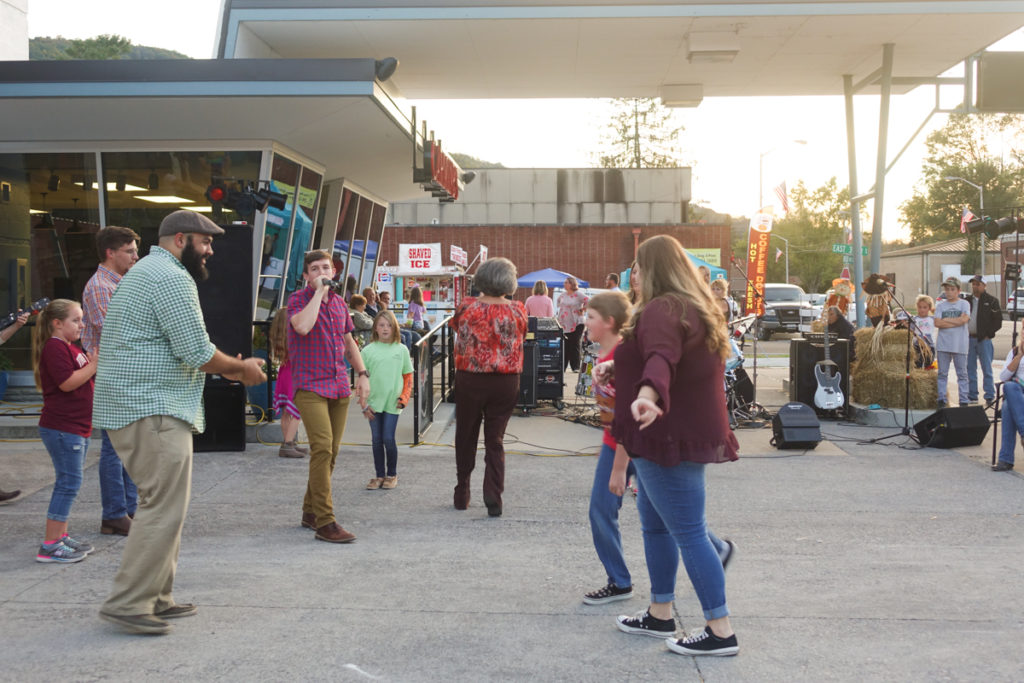
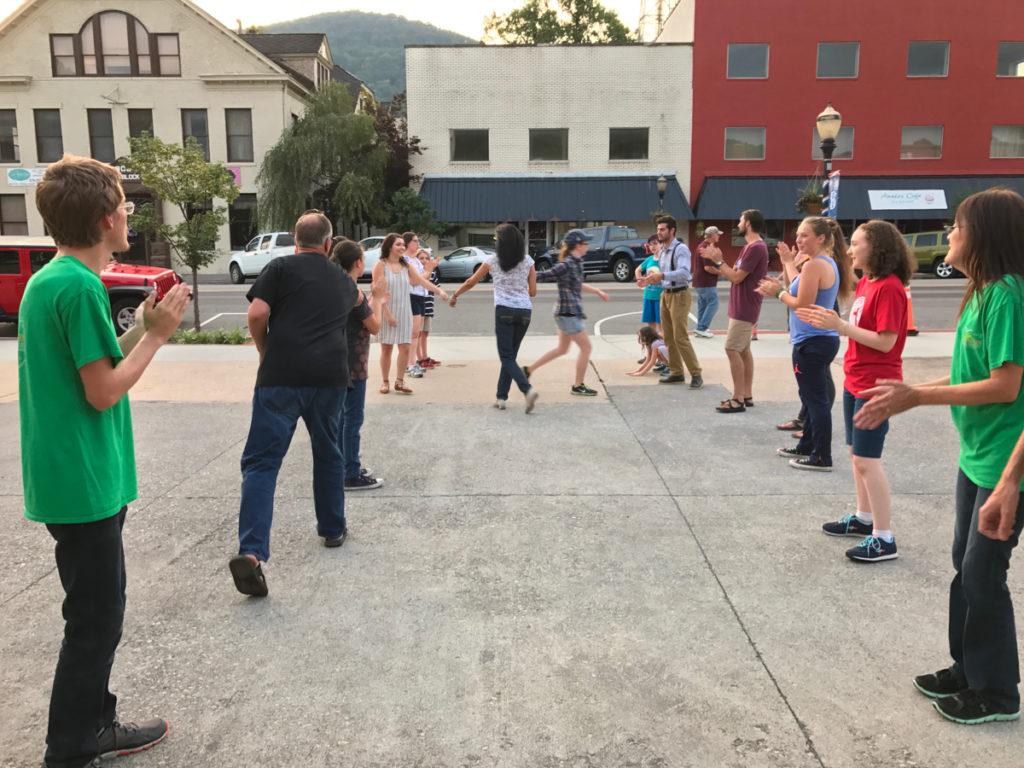
Several dancers participate in a community square dance in Big Stone Gap
You can find square dances in the usual places – and the unusual, like this community square dance held in the parking area of a local business in Big Stone Gap! © Ann Marrs

6. Tune Up Your Fiddles or Synthesizer!

Square dancing is closely associated with fiddles, banjos, and country music. However, today square dances are performed to numerous types of music including disco, modern pop, and techno.

7. Don’t Just Dance, Call!

There has been a resurgence in recent years to teach more people to become square dance callers. As elders of the tradition have passed away, they’ve left behind a void, and a wealth of folk dancing knowledge needs to be passed on to younger generations before it is lost forever. If you’re interested in learning to call, find a Dare to Be Square! event near you. These weekend-long workshops offer advice and lessons from expert callers hoping to expand the calling world. If you’re lucky enough to live near a caller, literally give them a call on the phone. Many callers, particularly older ones, are more than willing to show newbies the ropes.

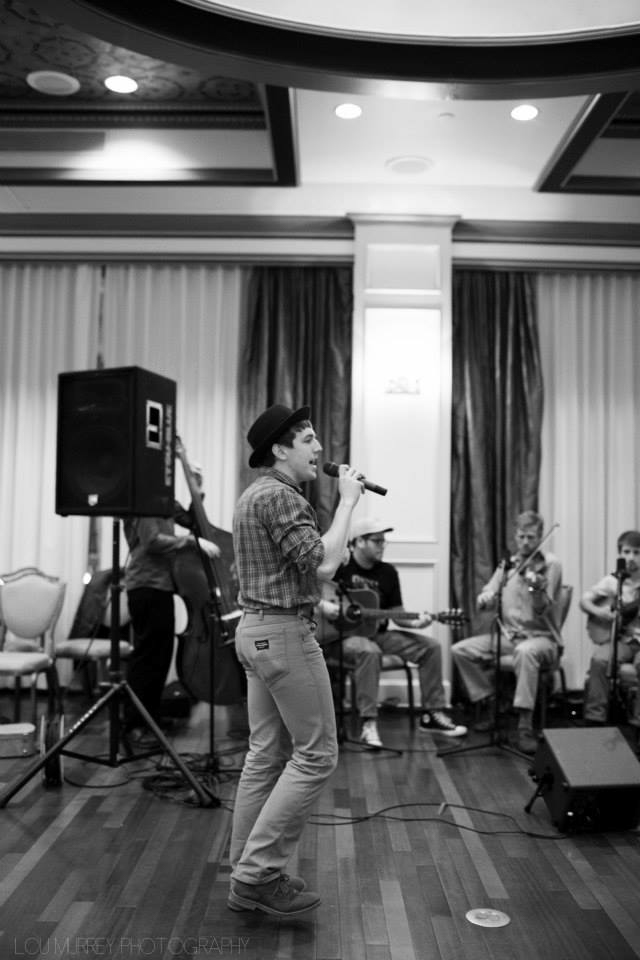
The author calls the steps at a square dance
Calling can be just as much fun as dancing, though perhaps not as strenuous! © Lou Murrey

8. Take It to the Next Level

Square dancing doesn’t have to stay in your own backyard. You could take it national. In fact, you could do-si-do all the way to the National Square Dance Convention. The convention was born out of a dance in California in 1952 and is now going into its 67th year. The convention celebrates every aspect of modern square dancing and is even open to Contra dancers as well.

9. Musicians Are Welcome Too

You don’t have to be a dancer or a caller to enjoy a square dance. You could add so much to the mix as a musician too. Callers are almost always looking to throw together bands, so if you fancy yourself a good banjoist or guitarist then give your local dance a call. Some dance halls have established bands while others have open bands that anyone can join on any given night.

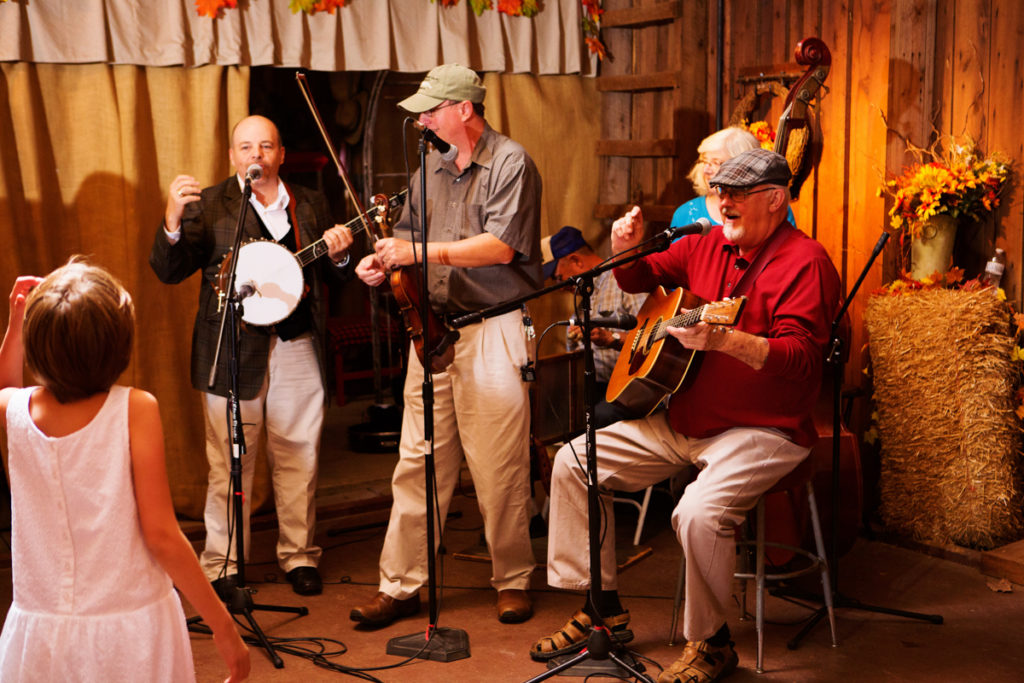
Musicians playing at a square dance
Musicians play a host of lively tunes to get the dancers moving. Courtesy of Emily Robinson, photograph by Skyryder Photography

10. Square Dancing is Fun! (Most importantly!)

Finally, square dancing is just plain fun – and good for you! In a fast-paced world where you’re more likely to text than swing your partner, a square dance is a perfect way to connect with other humans without the technological filter. Square dances were originally intended as social gatherings. Even before the Civil War, people of various social and economic positions were intermingling and sharing in their experience at square dances across the country. They serve the same social function today. Square dancing can remind us that when we work hand-in-hand, we can create a harmonious world or at least a harmonious basket (square dance humor – sorry!).

Guest blogger Tyler Hughes is a professional musician and educator from Southwest Virginia. He is dedicated to reviving the square dance scene in the coalfields of Virginia through school programs and community dances in Big Stone Gap, Virginia.


From Rhinestones to Tombstones: Memorial Monuments of Country Music’s Dearly Departed

Marking the resting place of the deceased is a long and storied practice – and the ways that these burial sites are marked range from the simple to the highly elaborate.

This is immediately evident when walking through a cemetery with graves marked by plain headstones bearing just the names and dates of the dead to monuments bearing long epitaphs, loving descriptions, and images or sculptures to grand mausoleums with columns and iron doors. And so, since it’s Halloween today, we thought it would be appropriate to take a quick tour of some of the unique and interesting grave markers that commemorate country musicians.

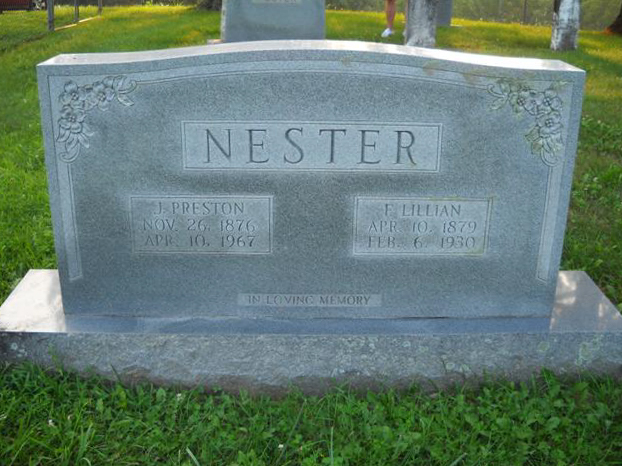
Photograph courtesy of Donna Sutphin Armentrout

The gravestone of J. P. Nester, 1927 Bristol Sessions artist who recorded “Train on the Island” and “Black-Eyed Susie” with Norman Edmonds, is found in Cruise Cemetery, Carroll County, Virginia. It is beautiful in its simplicity, bearing just the names of Nester and his wife, their birth and death dates, and the common memorial sentiment: In Loving Memory.

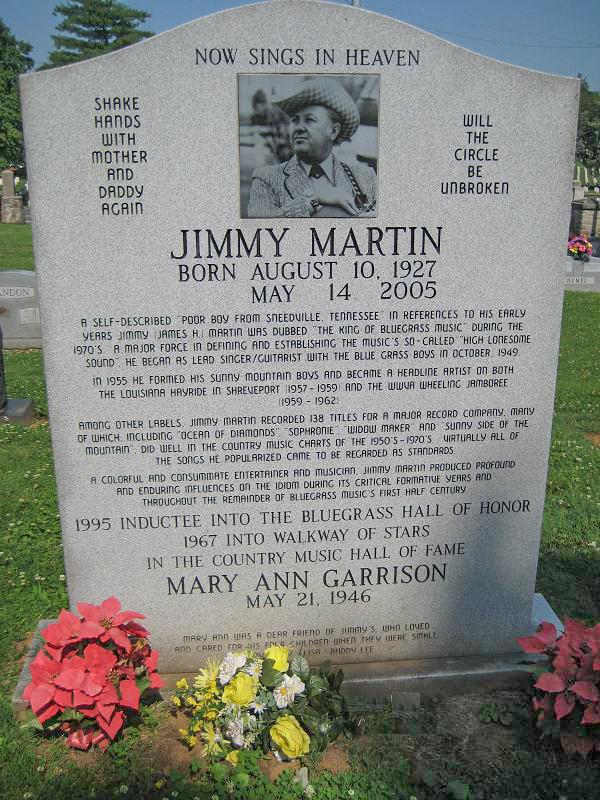
Photograph courtesy of Lane Owens White

The tombstone of “King of Bluegrass” Jimmy Martin, located in Spring Hill Cemetery in Nashville, Tennessee, is a contrast to Nester’s grave. The headstone is filled with what feels to be almost a full obituary to Martin, detailing his musical accomplishments and impact. A photograph portrait at the top of the stone is flanked by the song title “Will the Circle Be Unbroken” and the slightly revised song title “Shake Hands with Mother and Daddy Again,” presumably using the bluegrass standard as a basis for the heavenly sentiment. The woman’s name at the bottom of the tombstone – Mary Ann Garrison – is not his wife or a relative, but according to the engraving, she was a dear friend who cared well for his children when they were little. She was later the president of Jimmy Martin’s fan club.

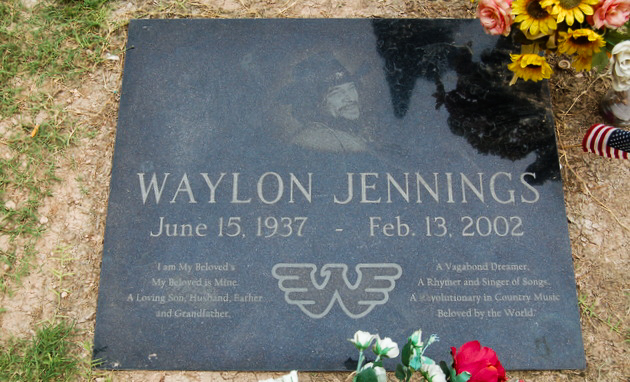
Photograph courtesy of Kyle “Trigger” Coronoes of www.savingcountrymusic.com

The final resting place of Waylon Jennings is in the City of Mesa Cemetery, Mesa, Arizona. For a year after his death in 2002, no stone marked his grave, and with the huge size of the cemetery, many country music fans who came to pay their respects that first year never found the site. A shiny black gravestone bearing his portrait and the “Flying W” emblem was put up in February 2003. The stone’s colorful description underlines Jennings’s character: “A vagabond dreamer / A rhymer and singer / A revolutionary in country music” while also highlighting him as son, husband, father, and grandfather. A quote from Song of Solomon 6:3 is also included: “I am my beloved’s, my beloved is mine.”


Photo by Anne Reddington/Courtesy Atlas Obscura

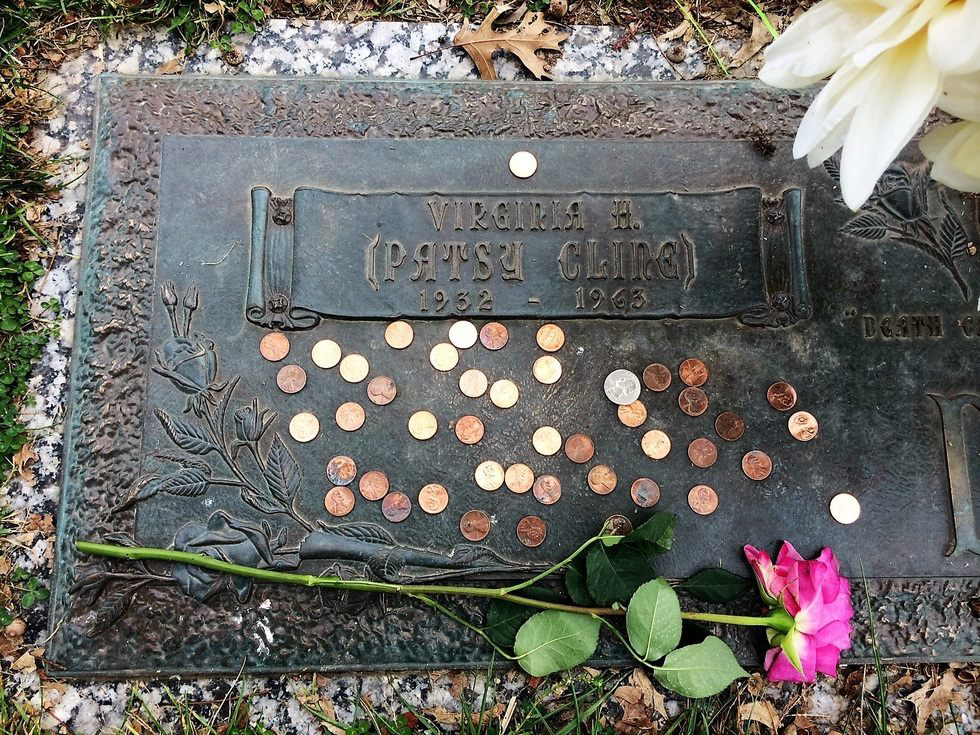
Patsy Cline’s grave can be found in the Shenandoah Memorial Park near Winchester, Virginia. While a bell tower has been erected there to mark her significance to her hometown, the grave site itself is simply marked by a humble plaque bearing her real (Virginia H. Dick) and stage (Patsy Cline) names. The plaque is often covered in pennies – put on her grave by visitors for luck.

Photo copyright © Gary J. Wayne of Seeing-Stars.com

Gene Autry is buried in Forest Lawn Memorial Park in the Hollywood Hills, reflecting his life on the big and small screens. The epitaph on his gravestone notes his many roles, from “America’s favorite cowboy” to philanthropist to baseball fan and owner to gentleman. However, it doesn’t record him by his well-known nickname as the “singing cowboy.” The five stars on the stone may refer to the five stars honoring him on the Hollywood Walk of Fame – for television, radio, film, recording, and live performance.

Photograph courtesy of Gwen Bodford

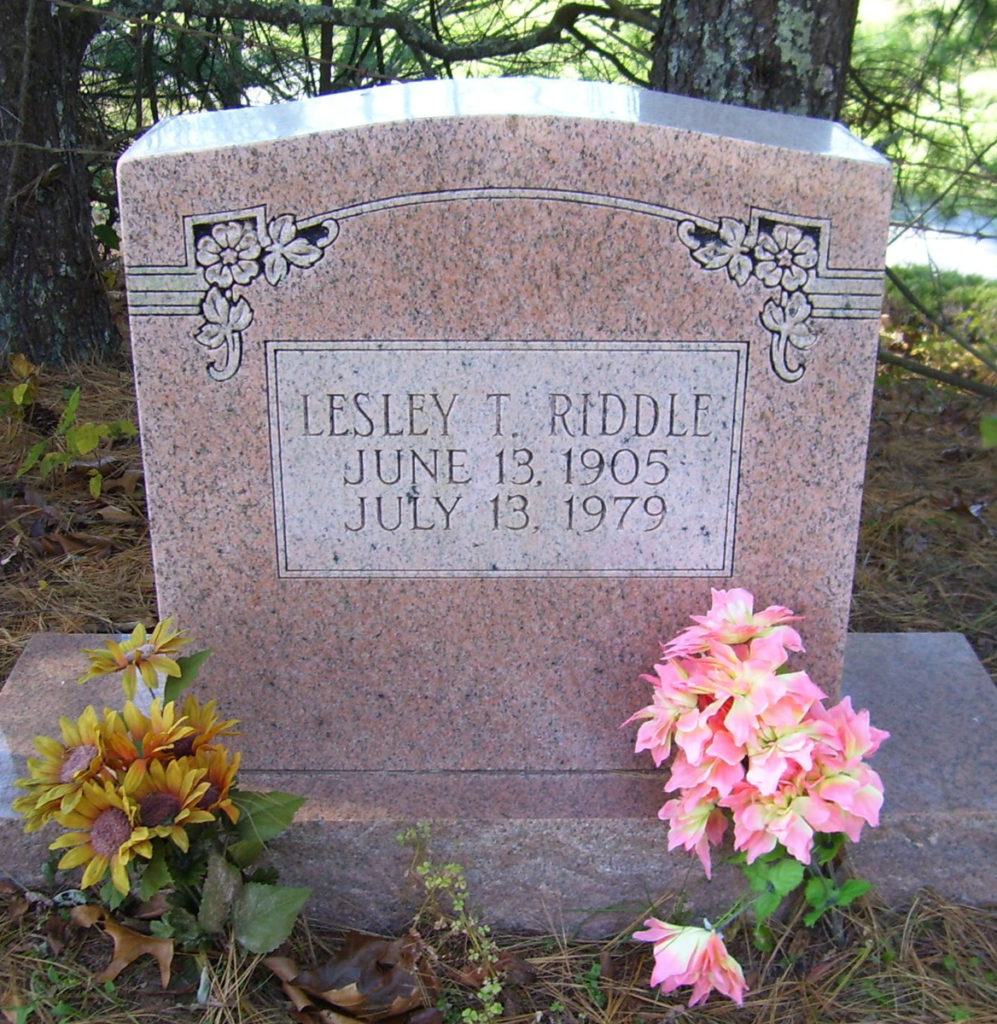
With Lesley Riddle – a musician who traveled with A. P. Carter searching out songs to preserve and adapt – we find another simple but rather beautiful headstone. The pink stone with corner floral embellishments bears his name and birth and death dates, but nothing more. Riddle’s grave can be found in the Horton Hill African American Cemetery in Burnsville, North Carolina.

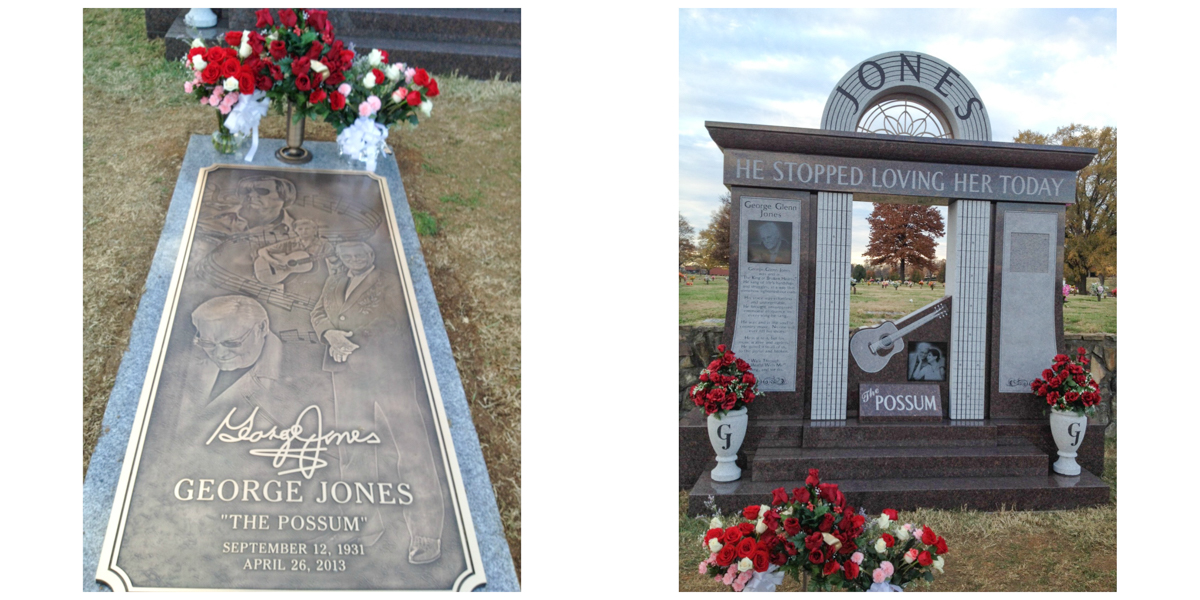
Photographs courtesy of Tony Stogsdill

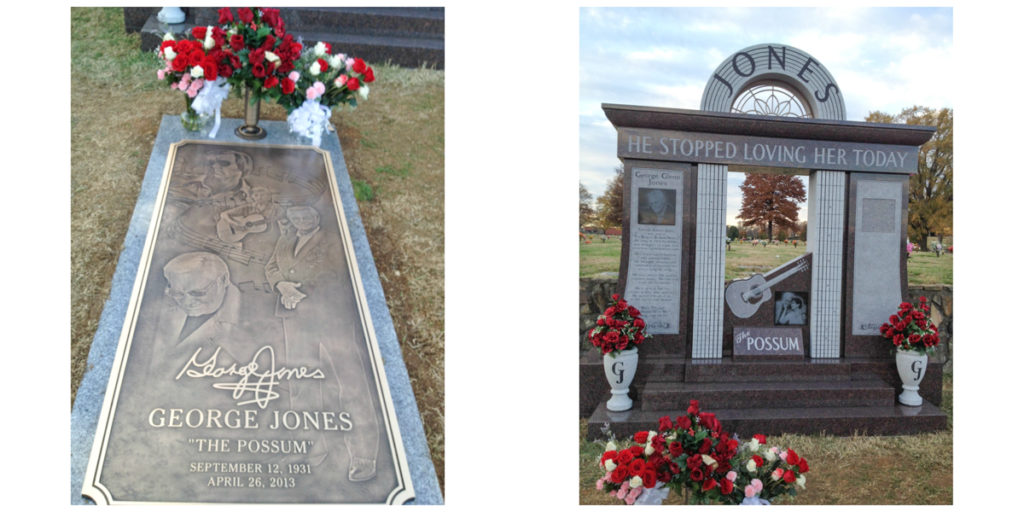
George Jones is buried in grand style at Woodlawn Memorial Park and Mausoleum in Nashville. His resting place is marked by a large gravestone on the ground, along with an arched structure behind it. Along with the usual details – birth and death dates – these markers are adorned with etched images of Jones, his signature, his nickname as “the possum” (based on the shape of his nose!), biographical information detailing his life in music, and a carved guitar. The title of his most famous single, “He Stopped Loving Her Today,” is engraved along the top of the arch – a fairly appropriate reflection to mark a burial site.

Photograph courtesy of Roddy Bird

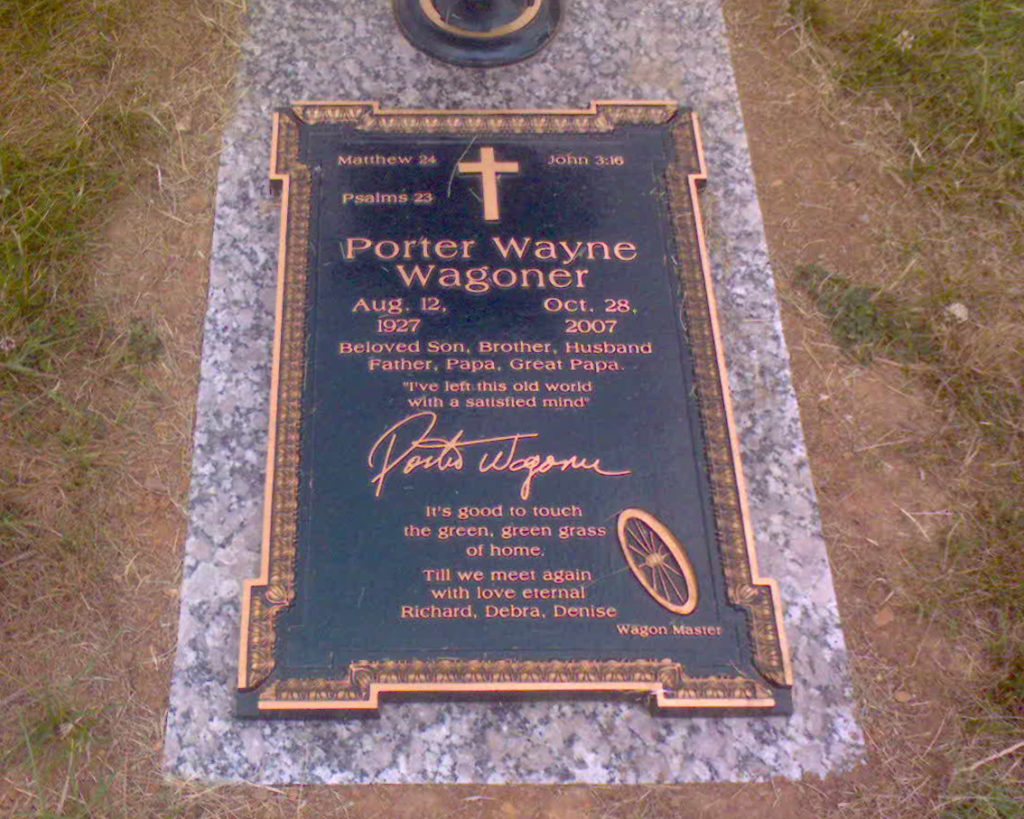
Porter Wagoner is also buried in the Woodlawn Memorial Park and Mausoleum in Nashville. Bible verses and a cross decorate the top of the grave marker, while song lyrics are quoted below: “I’ve left this old world with a satisfied mind” and “It’s good to touch the green, green grass of home.” Marty Stuart referenced “Porter Wagoner’s Grave” (and Wagoner’s trademark flashy way of dressing!) on his album Ghost Train: The Studio B Sessions.

Photograph courtesy of Jessica Turner

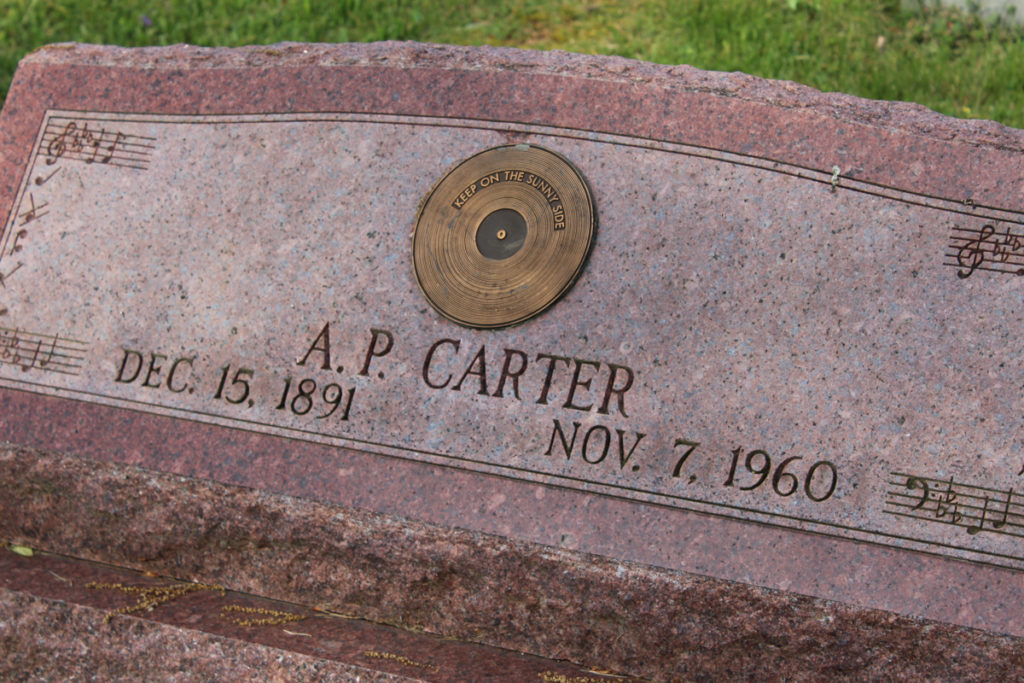
The headstone marking A. P. Carter’s grave is found in the small cemetery of the Mt. Vernon United Methodist Church in Hiltons, Virginia. Like the stones for Nester and Riddle, Carter’s marker is simple in the details included: name and birth and death dates. It highlights his important role in music history, however, with the musical notation edging and the central record – “Keep on the Sunny Side” – above his name.

Photograph courtesy of Jessica Turner

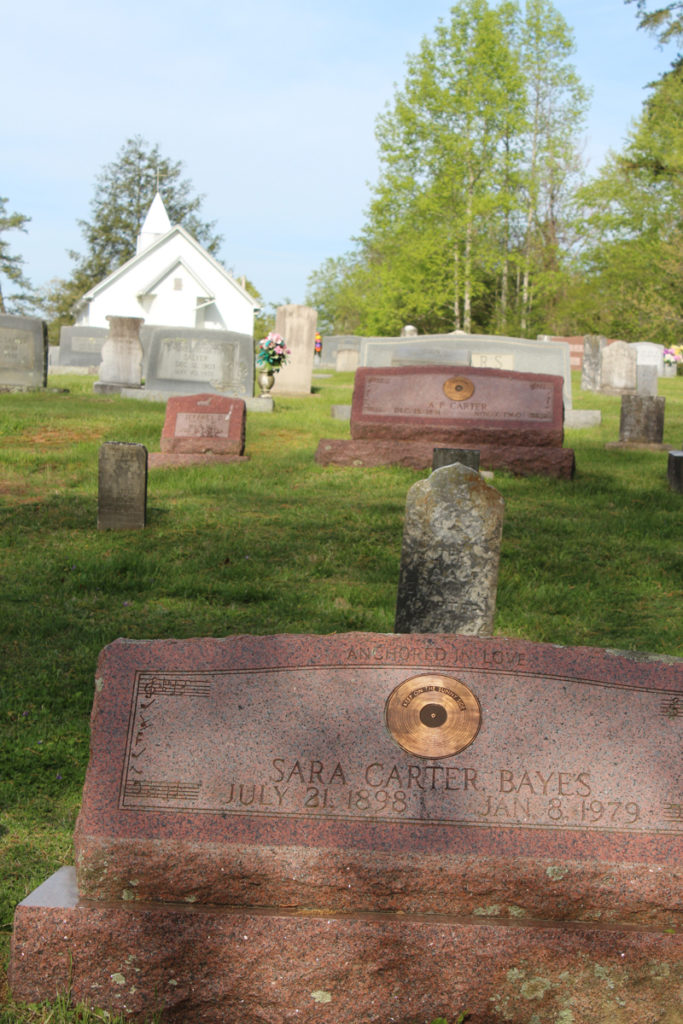
Despite the fact that A. P. and Sara Carter divorced and she later remarried his cousin Coy Bayes, Sara is buried near A. P. in the Mt. Vernon United Methodist Church cemetery in Hiltons, Virginia. Her tombstone is in the same style as A. P.’s, with the additional engraving “Anchored in Love,” another Carter Family tune.

Photograph courtesy of Jessica Turner

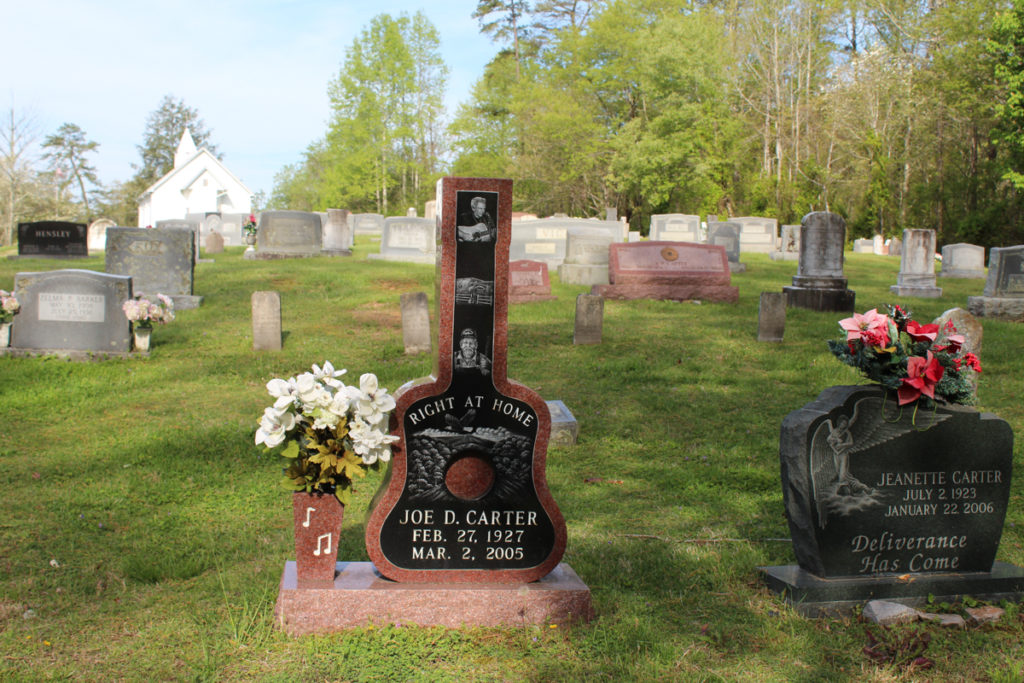
A. P. and Sara Carter’s children, Joe and Janette, are also buried in the Mt. Vernon United Methodist Church cemetery in Hiltons, Virginia. Janette Carter’s tombstone doesn’t reference her significant musical legacy – as a musician and as the founder of the Carter Family Fold – but rather simply includes her name, birth and death dates, and an etched angel and epitaph “Deliverance has come.” Interestingly, her name is spelled Jeanette on the grave marker, rather than the more commonly seen Janette. Her brother Joe’s grave marker, however, is a wonderfully inventive monument to music – shaped as a guitar and with a floral urn decorated with music notes, it also bears images of Joe and rural life.

Finally, there are three important musicians we wished to include but usable images were elusive. However, their monuments are still worth mentioning, and you can find images of their grave markers here. Maybelle Carter is buried in the Hendersonville Memory Gardens in Hendersonville, Tennessee. Carter’s grave marker, adorned with an angel and a rising sun, memorializes her as the “first lady of country music,” a reference stemming from the Carter Family’s recognition as the “first family of country music.” With the words “God has picked his wildwood flower,” it also highlights one of her most well-known and beloved songs. Johnny Cash and June Carter Cash (Maybelle’s daughter) are also buried in the Hendersonville Memory Gardens. Their plots lie beside each other, and both of their grave markers bear a Bible verse – hers is Psalm 103:1 and his is Psalm 19:14 – and their signatures (a practice that seems to be a common theme on country music gravestones). A bench near the grave site is etched with their last names, along with two of their well-known song titles: “I Walk the Line” and “Wildwood Flower.”

René Rodgers is the Curator of Exhibits & Publications at the Birthplace of Country Music Museum. Special thanks to interns Hannah Arnett and Summer Apostol for their hard work and research for this post.

Hattie Stoneman: Raising Her Children in Music

The enormous influence of women in country music is evident in every era, most certainly in the early days of country music. Sometimes women’s contributions are overshadowed in the historical record, and the story of the Stoneman family is no different. Without the support and encouragement of Hattie Stoneman, her husband may have never recorded in 1924 and never been instrumental in shaping the dynamic of hillbilly recordings forever afterward. The incredible Hattie Stoneman made an impact on early country music – and she did this all while bearing 23 children, facing sadness and grief due to several miscarriages, stillbirths, and children passing, and finding ways to keep her family going through hardship and poverty.

For most people, the first person they likely think about when they hear the word Stoneman is Ernest “Pop” Stoneman, leader of a host of musicians made up of family and friends, who recorded at the 1927 Bristol Sessions, and then patriarch to his family group who later performed and recorded together, played on the radio, and even had their own musical TV show. But there were two parts to this successful musical equation, and the other one was “Mom”: Hattie Stoneman, wife to “Pop” and mother to their children, all but two of whom played music themselves. As Roni, one of Hattie’s daughters, said: “The first thing you heard was music; you were raised in it. I probably heard her playing music when I was in her body. You’re just a part of music after that.”

Today is Hattie Stoneman’s birthday – she was born on September 28, 1900 in Pipers Gap, Virginia. Hattie came to music through her own family: her mother was descended from pioneer fiddler Green Leonard, and her father Bill Frost was one of the finest fiddle players in Virginia at the time. Frost often played at “frolics,” local gatherings of music and dancing (sometimes participants kept a bit of alcohol in the springhouse water to keep cold, adding to the frolicking). He showed Hattie how to play the fiddle and the banjo, and she became a fine musician herself, often accompanying her father on the banjo. Frost also passed on his love of jokes and humor to Hattie, and her children remember her making them laugh even when they were in deep trouble.

Pop met Hattie when he was just a boy, and she was just a baby – as Pop said, “I heard her give her first cry when she was born.” Their first meeting is related in the story about Pop’s father Elisha Stoneman, a preacher, coming to the Frost house to pray with the family during a difficult birth. He brought along little Ernest, and once the baby was born, Elisha brought her out to where Ernest was waiting for him, putting the baby in his arms and telling him to pray for her to have a long life. Little did he know at the time that it would be a long life together.

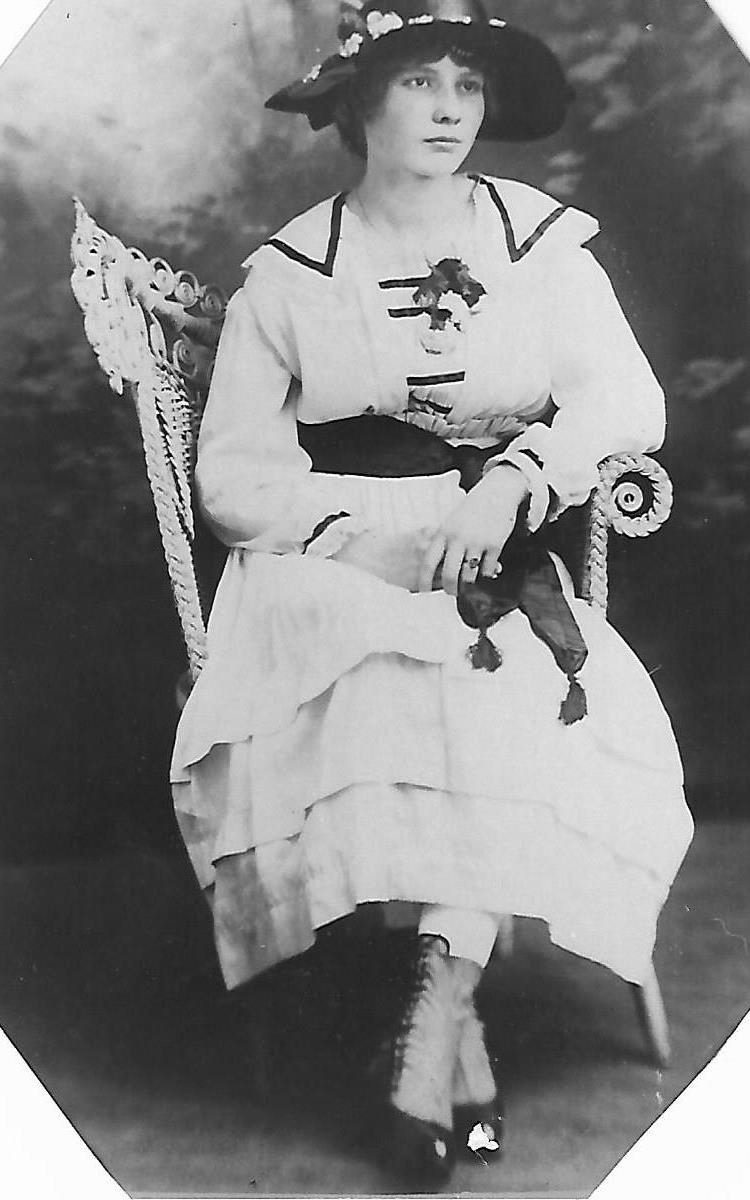
Several years later, they met again at a memorial service in a church cemetery – when he saw her again this time, he decided right then and there that he was going to marry that “golden-haired girl.” Music was a central part of their lives – and later their family – and family legend tells us that not only did Pop love Hattie, but he also loved the musical talent she had gained from her father. After a long courtship – and after Pop won out over several suitors – they wed on November 10, 1918.

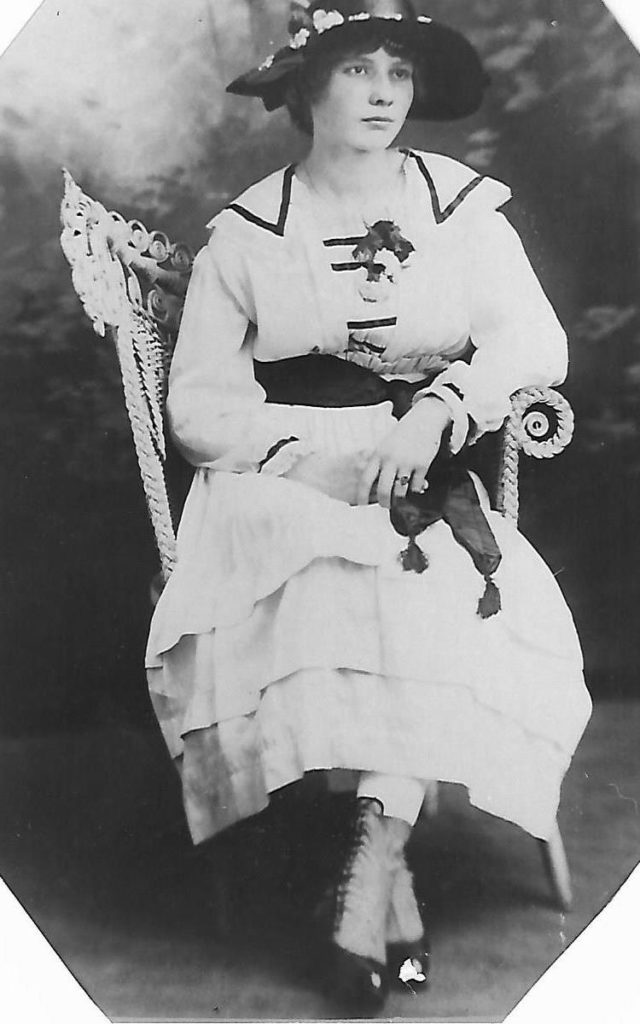
Hattie on her wedding day. Photograph courtesy of Roni Stoneman

After their marriage, Hattie often played fiddle in performances with Pop and other musicians. And in 1927 and 1928, she was with him for the Bristol Sessions recordings. At both sessions, she played fiddle and sang on several sides with Pop’s Dixie Mountaineers and The Stoneman Family, along with several sides by Uncle Eck Dunford. Hattie was also featured specifically on the 1927 recording of “What Will I Do, For My Money’s All Gone” (again with Dunford). And “The Spanish Merchant’s Daughter,” recorded at the 1928 Bristol Sessions by The Stoneman Family, was featured on the influential 1952 Anthology of American Folk Music, compiled by Harry Smith.

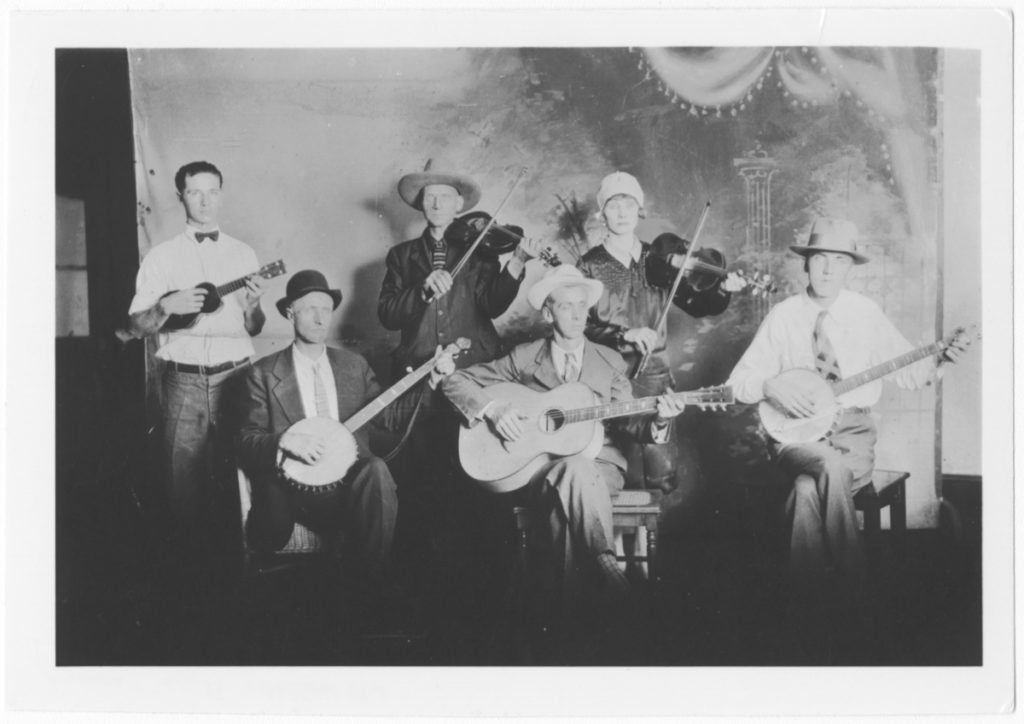
Stoneman’s configuration of musicians was known by different names, including The Stoneman Family, the Blue Ridge Corn Shuckers, and Ernest V. Stoneman & His Dixie Mountaineers. Hattie is seen here in the back row with her fiddle. From the John Edwards Memorial Foundation Records, #20001, Southern Folklife Collection, Wilson Library, University of North Carolina at Chapel Hill

The Stonemans saw musical success before and immediately after the Bristol Sessions, but the Depression was on the horizon, and they would soon feel the hardship that came to so many during that period. Before the stock market crash of 1929, Ernest and Hattie were living well in Galax, Virginia – they had bought some land in 1927, and he built them a fine home with modern conveniences. Hattie was very much a southern belle, taking care over her appearance and keeping a neat and tidy house. However, by the early 1930s, hard times were firmly upon them – they were facing the illness of their young daughter Nita (she would die soon after at the age of six) and the loss of their house, and Ernest was having to travel far and wide to look for work, leaving Hattie home alone to cope with her family’s needs.

When they lost their house, Hattie moved with their children into her parents’ three-room house for a while, but soon Ernest sent for them to come to Alexandria, Virginia, where he had found work. However, things continued to be hard, with Pop losing his job and Hattie and the children moving back to southwest Virginia for a while. This routine marked much of this period – Ernest finding work, the family moving into a host of different houses, many of which were falling apart and cold, and Hattie sometimes taking the children home to Galax for periods of time. At least back in rural southwest Virginia they could grow some food in the garden, and the vegetables and fruits were often canned up and used to fill the hungry mouths of her children when they were back in northern Virginia and Maryland with Pop.

Indeed, daughter Roni tells stories about how her mother fought hard to keep her family going during the Depression. Once, on a cold winter night when they were living up near Washington, DC, Hattie went out to the local railyard to look for stray coal to fuel their fire at home. Back then, railroad cops – known as railroad bulls – patrolled the tracks and railyards to keep “hobos” out, and a couple of them came across Hattie in her search for coal. Even though it was late at night and she was a woman on her own, she stood up to them, telling them that they could kill her and bury her in the ground if they wanted, but she was taking some coal to bring warmth to her children. The men admired her gumption and saw her real need, and they helped her gather up the coal she needed.

Son Oscar James (known as Jimmy) was born when the family lived up north, one of only a few of the Stoneman children born in a hospital rather than at home. When the nurse brought the baby into Hattie’s room soon after the birth, Hattie exclaimed that “he wasn’t her baby; he didn’t have the Stoneman nose.” The nurse, of course, assumed hysteria, but around the same time a laundry worker in the basement of the hospital heard a baby crying and found Hattie’s baby in a pile of clothes! Jimmy was named after Oscar Anderson, the captain who commanded the fire station across the street from where the Stonemans lived. Even though it was hard to move past her Appalachian independence and pride, Hattie had accepted his help when the family was really struggling — Anderson and his men were kind and helped them out over the years, bringing them food and Christmas presents when they saw the need. As Roni says: “Mommy showed us how to take the hard times and how to be strong in the sad times. She kept us all together.”

Despite all the hardships they faced during the Depression, and how this affected Pop’s musical aspirations, the family still found pleasure in music, and Hattie still played her banjo and her fiddle occasionally with Pop. Later, when things got better and the family developed a music career as The Stoneman Family on radio and television, and in live performances and recordings, she often took a back seat to Pop and her children.

However, in 1947, she stepped back in the spotlight for a talent contest at Constitution Hall. Roni relates how her older brothers didn’t want to play with their father and the rest of the family because they viewed his music as “old-fashioned,” and so they entered the contest on their own. When Pop told Hattie that her sons thought he was outdated and wouldn’t play with him, she pulled out her fiddle and said she’d play with him and that they’d “take that prize from those boys.” She was mad as a hornet and so she fiddled hard and strong, and they won the contest, giving them six months of local TV time, which ultimately led to a host of other opportunities. This story mirrors the tale told of Hattie pushing Pop to go record for the first time back in 1924 and really underlines how influential Hattie was in the Stonemans’ musical success.

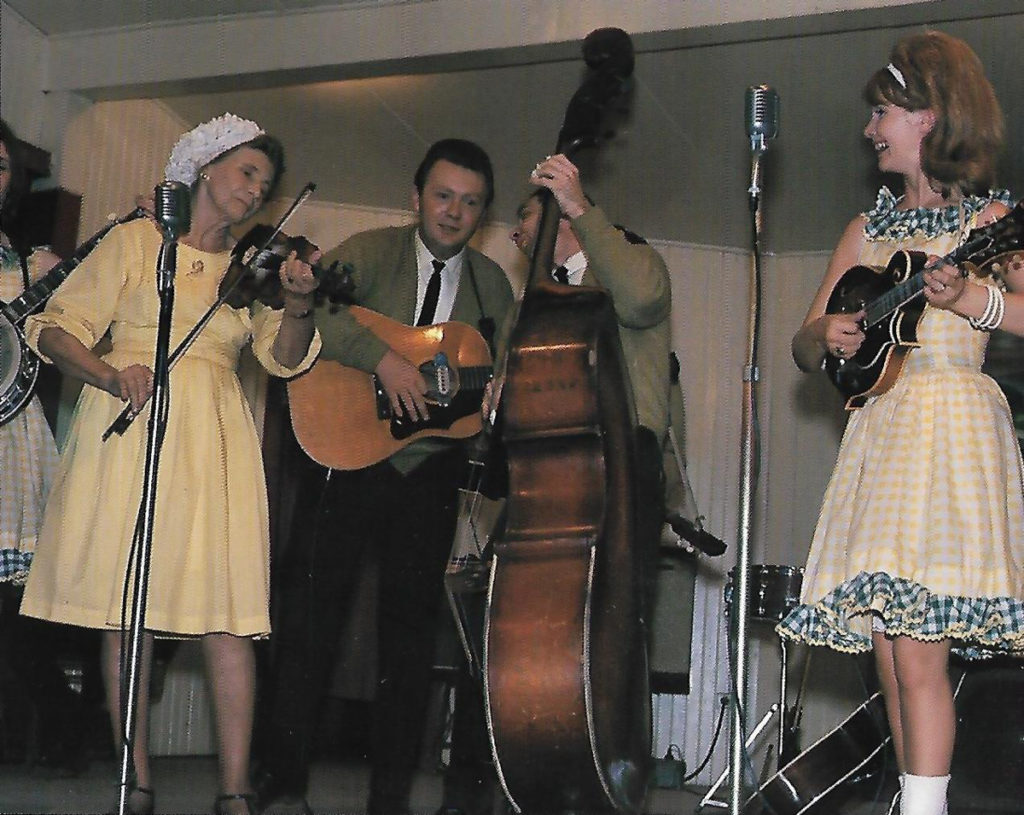
Hattie fiddling with the family band. Photograph courtesy of Roni Stoneman

There are many more stories of Hattie as mother and performer, and her surviving children, Roni and Donna, look back on those early hard times as rich in love and family, and they view the later musical success as being as much about their mother as their father. And so today, on Hattie’s birthday, let’s celebrate her talent and the contributions to the success of this wonderful musical family made by “The Girl from Galax.”*

René Rodgers is the Curator of Exhibits & Publications at the Birthplace of Country Music Museum. A huge thank you to Roni Stoneman for sharing stories of her mother with me, and to Tom Connor for his help facilitating the interview and images for this blog post. 

*”The Girl from Galax,” an instrumental piece written by daughter Donna Stoneman, is a tribute to her mother.